
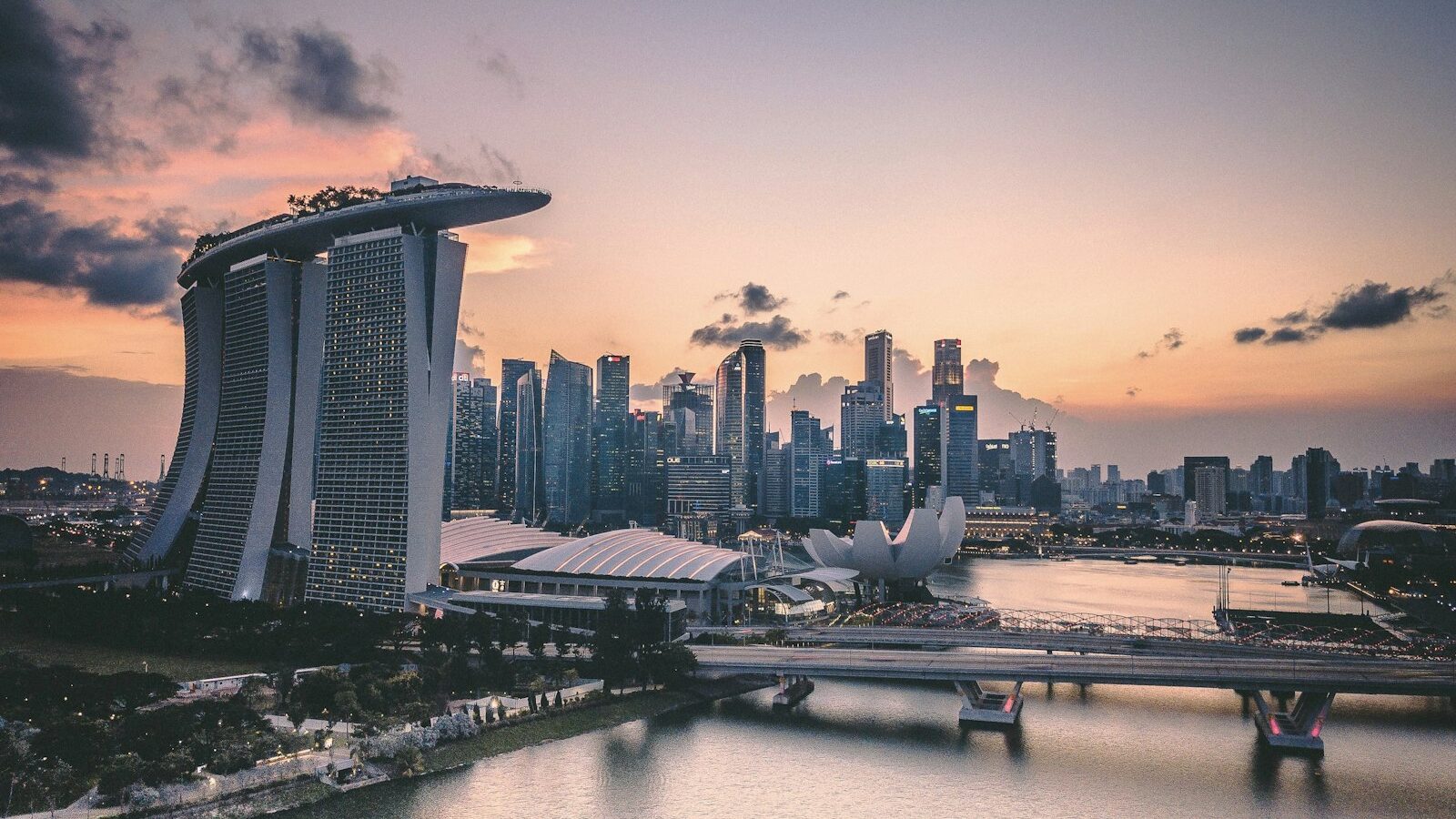
The idea of a city in nature singapore residents can live inside, rather than just visit on weekends, sits at the heart of how the island is being greened. It is the current chapter of a long story: from a “Garden City” of planted roadsides and tidy parks, to a “City in a Garden”, to today’s more ambitious “City in Nature”. The shift is not just branding. It reflects a goal of setting the whole city within a richer, more connected natural landscape, so that greenery, wildlife and people share the same everyday spaces. This guide explains what the vision means, who drives it, and what you are likely to notice where you live.
Because targets, dates and specific figures change over time, this guide keeps them general. For the current goals and numbers, the best sources are NParks and the Singapore Green Plan, which we point you to throughout.
From Garden City to City in Nature
Singapore’s greening began decades ago as a deliberate national effort. The early “Garden City” push lined roads with trees, created parks and softened a fast-growing concrete landscape. Over the years the ambition grew. “City in a Garden” aimed to make the whole island feel like a garden, with greenery woven through neighbourhoods rather than kept to set-piece parks.
“City in Nature” goes a step further. Instead of nature as decoration around the city, the aim is to restore and connect natural ecosystems so the city genuinely functions as part of a larger natural landscape. That means not only more greenery, but greenery that supports wildlife, links habitats together, and brings people into closer, everyday contact with nature. NParks leads this work, and it is one of the pillars of the Singapore Green Plan, the country’s wider sustainability roadmap.
The Building Blocks of the Vision
City in Nature is delivered through several connected strands of work. Understanding them helps you spot the vision at street level.
- More parks, closer to home. The aim is for more households to live within easy reach of a park or green space, so nature is part of the daily routine, not a special trip.
- Park connectors and the island loop. A growing network of park connectors links parks and green spaces, letting people walk, jog and cycle across long stretches of the island while giving wildlife safer routes too.
- Nature ways. These are streetscapes and corridors planted with specific layers of trees and shrubs that mimic a natural forest structure, helping birds and butterflies move between habitats across built-up areas.
- Restored and strengthened habitats. Nature reserves and other core habitats are protected and enhanced, with efforts to restore forests, wetlands, mangroves and coastal areas.
- Greening buildings and streets. Rooftop gardens, green walls and skyrise greenery, encouraged alongside schemes like the Building and Construction Authority’s Green Mark, bring plants up into the built environment itself.
- Community stewardship. Community gardens, tree-planting drives and citizen science invite residents to take part rather than watch from the sidelines.
Seen together, these strands are less about adding isolated patches of green and more about stitching the island’s nature into one connected system.
What It Means for You
The vision can sound abstract until you translate it into ordinary life. This table pairs each element with what you are likely to notice or enjoy.
| City-in-Nature element | What it means for you |
|---|---|
| More parks near homes | A green space within a short walk for more neighbourhoods, easier daily strolls and play |
| Park connector network | Continuous routes to walk, jog or cycle for long distances without fighting traffic |
| Nature ways | More birds and butterflies along ordinary streets as planted corridors link habitats |
| Restored habitats and reserves | Richer places to visit for nature, plus cleaner air and natural flood buffers |
| Skyrise and streetscape greenery | Cooler, shadier walks and greener views from HDB blocks and offices |
| Community gardens and planting | Chances to grow food, meet neighbours and take part in greening your estate |
None of this asks much of you beyond showing up and enjoying it. The design intent is that nature becomes the easy, default backdrop to commuting, exercising and relaxing.
Nature, Wellbeing and Biodiversity
A greener city is not only pleasant to look at. Trees and greenery shade streets and help cool a hot, humid island, which matters as the climate warms. Parks and waterways can absorb rainfall and ease flooding during heavy tropical downpours. Green spaces filter dust, soften noise and give people places to move, rest and reset, which supports both physical and mental wellbeing.
Just as important, connecting habitats gives native plants and animals room to live and move. When nature ways and park connectors join up fragmented green spaces, birds, insects and other wildlife can travel between them, keeping populations healthier. That everyday wildlife is one of the clearest signs the vision is working. To go deeper on the creatures you might meet, see our guide to biodiversity and urban wildlife in Singapore.
How Residents Can Take Part
City in Nature is designed to be shared, not just delivered to you. Simple ways to join in:
- Use the green network. Walk or cycle the park connectors, explore parks and nature reserves, and let these spaces become part of your week.
- Grow something. Join a community garden through your town council or NParks’ community gardening programmes, or start with edibles on your own balcony.
- Plant and restore. Look out for community tree-planting and habitat events, which welcome ordinary volunteers.
- Record what you see. Citizen science projects let you log plants and animals you spot, adding to the data that guides conservation.
- Coexist responsibly. As nature comes closer, treat wildlife with respect: keep your distance, do not feed animals, and secure food and rubbish.
Every one of these is a small, doable act, and together they are part of what turns a plan into a living landscape.
Where to Check the Details
Because the vision keeps evolving, avoid treating any single target, date or figure as fixed. NParks publishes current programmes, park and reserve information, and ways to get involved, while the Singapore Green Plan sets out the national goals that City in Nature supports. When you want specifics, whether it is a target for green cover, the length of the park connector network, or how to join a scheme, go straight to those official sources for the latest.
The bigger point is simpler and more durable: Singapore is steadily reworking itself so that nature is not a place you drive to, but the setting you already live in. You do not need to understand every policy to feel it. Step outside, follow a park connector, notice the birds along a planted street, and you are already inside the city in nature.
Explore More
Want to see the vision up close? Meet the animals sharing the island in biodiversity and urban wildlife in Singapore, then zoom out to the national roadmap behind it all with the Singapore Green Plan explained. Together they turn a big idea into things you can see, visit and join.