
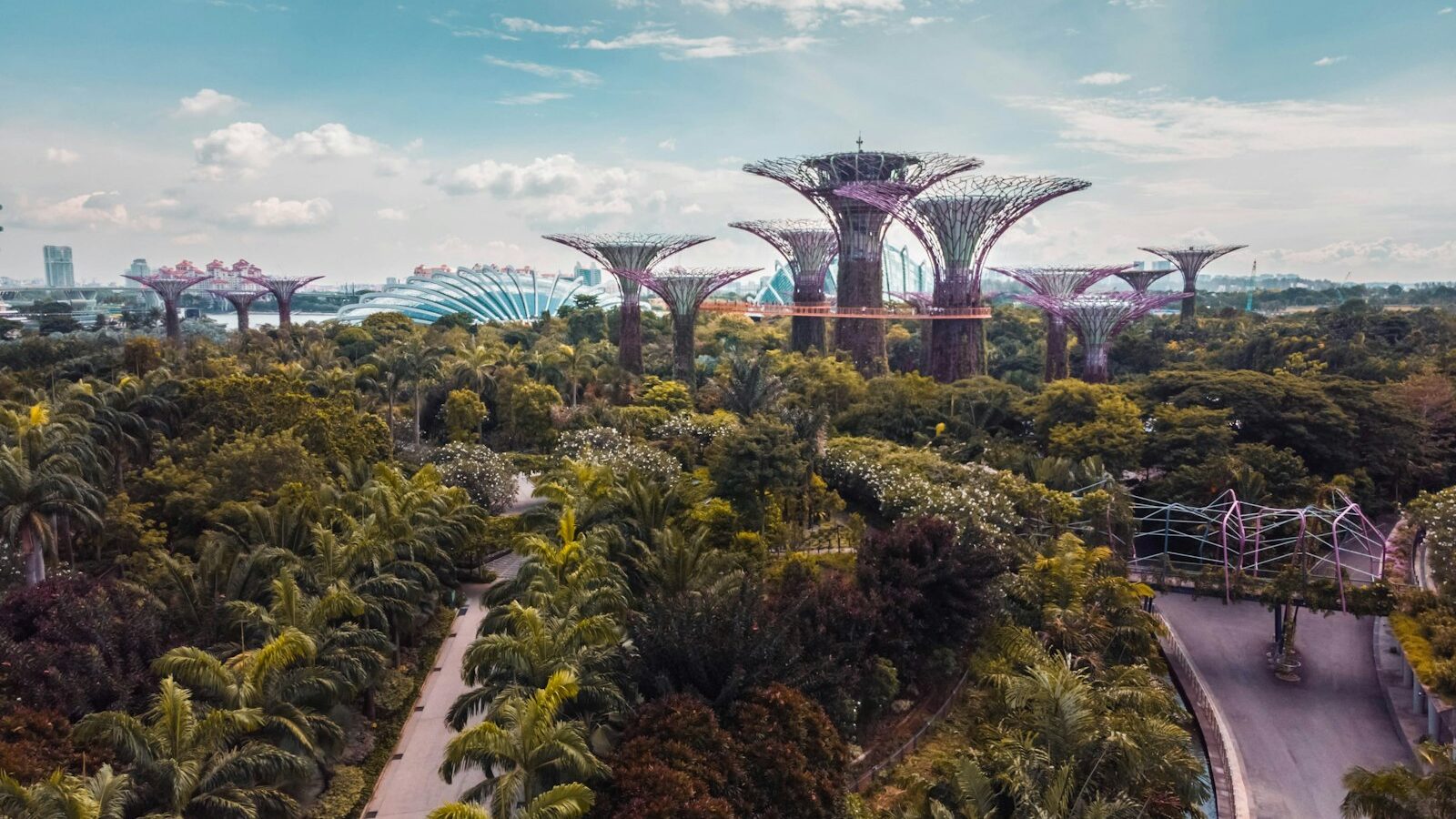
For a city this dense, Singapore is remarkably rich in wild places. Within a short bus or MRT ride you can stand under towering rainforest, watch mudskippers in a mangrove, or spot a hornbill gliding overhead. Enjoying nature reserves is one of the simplest, cheapest and most restorative things you can do here, and it costs nothing but a little time and care. The care part matters, because these are living habitats we share with countless other species, and a few thoughtful habits keep them thriving for the next visitor and the next generation.
Singapore’s nature reserves, managed by NParks, are legally protected areas that shelter our most sensitive ecosystems, from the ancient forest of the central catchment to the wetlands of Sungei Buloh. They are not manicured parks. They are functioning wild systems where our choices as visitors genuinely affect the plants and animals living there. Visiting responsibly is not about restricting your enjoyment. It is about deepening it, because the quieter and gentler you are, the more nature reveals itself.
Keep to the Trails and Leave No Trace
The single most important habit is to stay on marked paths and boardwalks. Trails are routed to protect fragile ground, tree roots and the animals that depend on undisturbed forest floor. When people wander off to get a closer photo, they trample seedlings, compact soil and create informal paths that erode and fragment habitat. Keeping to the trail also keeps you safer, since the forest off path can hide steep drops, slippery ground and plants best left untouched.
Leave no trace is the guiding idea: the reserve should look exactly as you found it after you leave. In practice that means:
- Take all your litter home, including fruit peel and tissue, which are not part of the natural system and take time to break down.
- Never pick flowers, collect leaves, take shells or move rocks and deadwood, all of which are homes and food for something.
- Stay quiet, use headphones rather than speakers, and keep voices low so you and others can actually hear the wildlife.
- Follow all NParks signs, closures and opening hours, which exist to protect both you and sensitive areas.
Bringing a reusable water bottle and a small bag for your rubbish makes this effortless. If you enjoy dining outdoors too, the same mindset carries over to reducing disposables when dining out.
Meet Wildlife on Their Terms
Encountering a wild animal is a highlight of any visit, but how you behave in that moment shapes whether the encounter is good for the animal. The golden rule is to observe from a distance and never feed wildlife. Feeding may seem kind, but it makes animals dependent on people, draws them towards roads and crowds, changes their natural behaviour and can make them ill. Fed macaques in particular can grow bold and aggressive, which ends badly for the monkeys.
A calm, respectful approach lets you see far more:
- Keep your distance and use zoom on your camera rather than stepping closer.
- Do not feed any animal, and secure your own food and drink so monkeys are not tempted to grab bags.
- Never touch, chase or corner wildlife, and give animals a clear path to move away.
- If an animal seems agitated, back away slowly and calmly rather than running.
- Keep pets at home or on a lead only where they are permitted, as they can distress wildlife.
Remember that even small creatures matter. The insects, frogs and fungi you might overlook are the quiet engine of these ecosystems. If tiny wildlife fascinates you, bringing some of it home is possible in a responsible way by starting a butterfly garden on your balcony with plants that feed local species.
Respect the Different Kinds of Wild Places
Not every green space is the same, and knowing where you are helps you match your behaviour to the setting. A robust urban park invites picnics and cycling, while a nature reserve asks for a lighter footprint. Here is a simple comparison to guide your expectations:
| Type of place | What it protects | How to behave |
|---|---|---|
| Nature reserve, such as Bukit Timah | Ancient forest, rare and sensitive species | Stay strictly on trails, keep quiet, no feeding |
| Wetland reserve, such as Sungei Buloh | Mangroves, migratory birds, mudflats | Move slowly, no flash near birds, no litter |
| Nature park bordering a reserve | A buffer for the core habitat | Enjoy actively but keep noise and litter low |
| Regional or neighbourhood park | Recreation and community space | Picnic and play, still clear your rubbish |
Coastal and marine habitats deserve special mention. If your walk takes you to a shore or mangrove, tread carefully on intertidal areas and never remove living things. You can learn more in our guides to coastal and mangrove conservation and to protecting our coral reefs, both of which are easily damaged by careless feet and hands.
Plan a Visit That Treads Lightly
A little planning makes a responsible visit easier and more enjoyable. Go early in the morning when it is cooler and wildlife is most active, wear covered shoes and light long sleeves against sun and insects, and carry water, since our heat and humidity are no joke on a forest trail. Check the weather too, as trails can close after heavy rain and forest streams rise quickly.
Getting there matters as much as being there. Reaching a reserve by MRT, bus or bicycle rather than driving keeps the air around these habitats cleaner and fits a lower carbon lifestyle, in the spirit of going car-lite in Singapore. On days when the haze pushes air quality readings up, check NEA’s PSI guidance and consider postponing strenuous outdoor plans, especially for children, the elderly and anyone with breathing conditions.
If a visit sparks a desire to do more, that instinct is worth following. You might join a guided walk to learn the names of what you see, take part in a shoreline or forest clean up, or help plant trees through the OneMillionTrees movement. These are gentle ways to give back to the places that give you so much calm.
Let the Reserve Change You
The best reason to visit responsibly is a little selfish, and completely fair. When you slow down, stay on the path and stop trying to grab and touch, the forest opens up. You start noticing the drumming of a woodpecker, the flash of a kingfisher, the way light filters through the canopy after rain. Enjoying nature reserves at this quieter pace is deeply restful, and it quietly builds the love that makes people want to protect wild places in the first place.
So pack light, tread softly and take home nothing but photos and a clearer head. Rules, trail conditions and access can change, so check the current NParks information before you go, follow the signs when you arrive, and enjoy one of the great free pleasures of life in this green city.
Related across Sky Media: Singapore’s Parks and Nature Reserves, Explained