
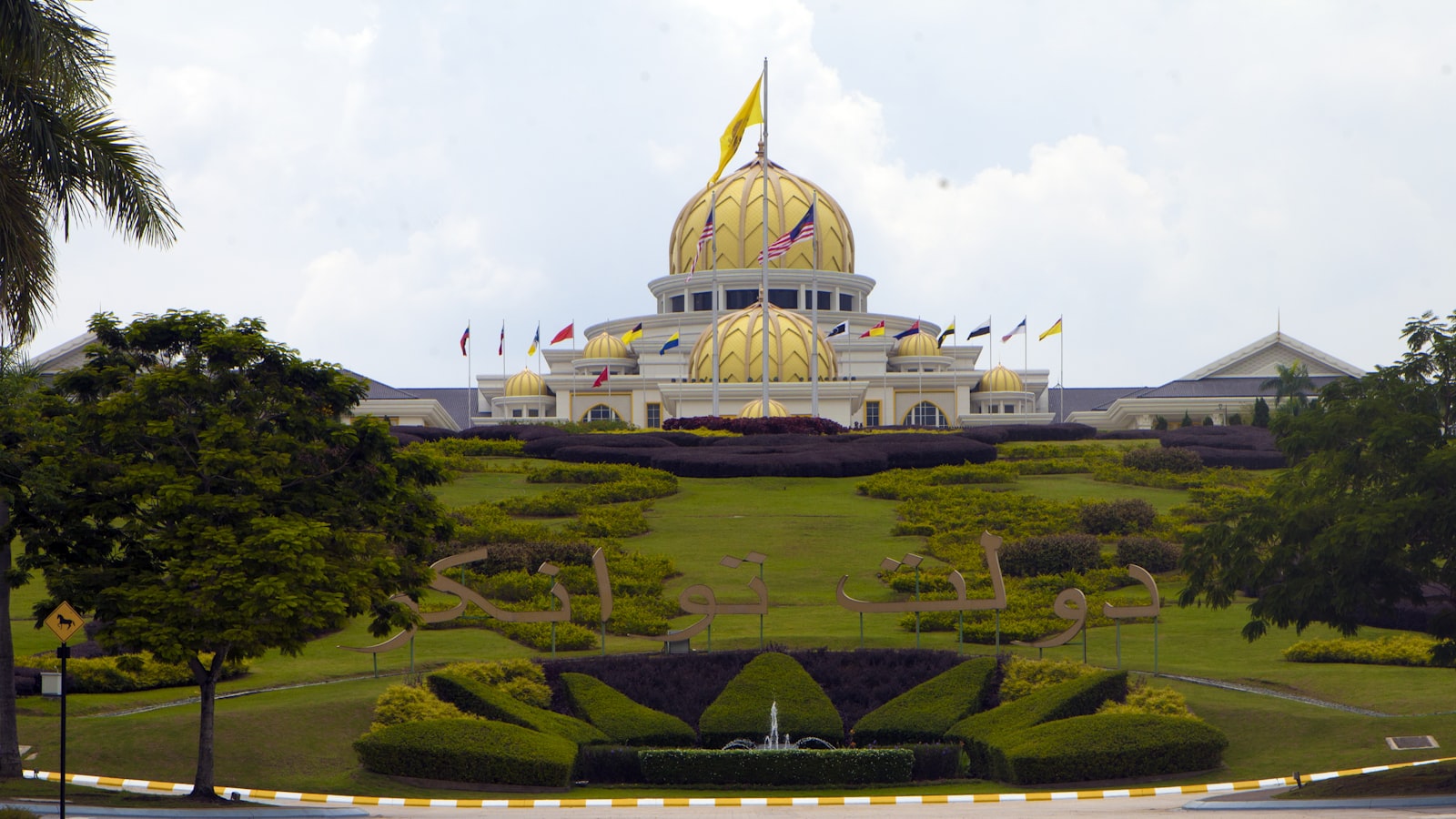
The Istana Singapore is one of the most recognised yet least entered addresses in the country, a grand residence set within sweeping grounds just off busy Orchard Road. Its name comes from the Malay word for palace, and for most Singaporeans it is glimpsed only through the gates or on the handful of open house days when the public is welcomed in. Behind those gates lies a layered history that reaches back to the colonial era and continues into the life of the nation today.
History and Significance
The Istana occupies grounds that were developed in the colonial period, when the main residence was built to serve as the home of the British governor. Over the decades the building and its role evolved as Singapore’s own political story unfolded, and in the era of self-government and independence the residence took on new significance as a seat of the state’s highest offices. For precise construction dates and the official chronology, the Istana’s own heritage resources and the National Heritage Board are the authoritative sources, and Sky Media encourages readers to confirm specifics there rather than rely on approximate figures.
What gives the Istana its weight is this continuity of purpose. A building conceived under colonial rule became, without being torn down, part of the architecture of an independent Singapore. That reuse tells a story of transition managed with a measure of grace, keeping physical heritage while changing what it stands for. The grounds and the main building have been recognised for their national heritage value, reflecting both their architecture and their place in the country’s history.
Architecture and Grounds
The main residence is a fine example of colonial-era design adapted to the tropics, with features intended to cope with heat and rain long before air conditioning. Wide verandahs, high ceilings and generous proportions speak to a nineteenth-century idea of dignified official architecture. Visitors who attend an open day can appreciate these details in person, though access to the interior is limited and guided.
The grounds are arguably the greater surprise. Behind the walls lies an expanse of landscaped gardens, mature trees and open lawns that feels far removed from the retail bustle just outside. The greenery is part of the site’s heritage, a reminder of an older, more spacious Singapore, and it is the part most visitors get to enjoy on open house days.
Within the grounds are several structures and features beyond the main residence, reflecting the way the site grew over time to serve official and ceremonial needs. The landscaping itself has been tended for many years, and mature specimen trees give the grounds a settled, established character that cannot be manufactured quickly. On open days, families spread out across the lawns, and the estate takes on a relaxed, almost park-like atmosphere that stands in contrast to its everyday role as a guarded seat of high office. It is this rare combination, formal significance paired with green openness, that leaves the strongest impression on many first-time visitors.
Access at a Glance
Because the Istana is a working official residence, public access is deliberately limited. The table below summarises the general position, but always check official announcements for current arrangements, as dates, security rules and entry conditions are set by the authorities and can change.
| Aspect | General position |
|---|---|
| Everyday access | Not open to the general public |
| Open house days | Select days through the year, announced officially |
| Interior access | Limited and typically guided on open days |
| Grounds | Enjoyed by visitors on open days |
| Security | Screening and rules apply; follow all instructions |
Because these details vary, confirm open house dates, ticketing or entry requirements, and any restrictions on bags or photography through official channels before planning a visit.
Heritage Value
The Istana’s heritage value lies in what it embodies as much as in its bricks and gardens. As a national monument-grade site, it stands for the institutional life of Singapore, the ceremonies of state, and the reception of visiting dignitaries. It is a place where the country presents itself formally to the world, and where symbols of nationhood are given a dignified setting.
For citizens, the periodic open house days carry a quiet significance. They turn a normally closed seat of high office into a shared space, allowing families to walk grounds usually reserved for affairs of state. That openness, even if occasional, reflects an idea that the institutions housed here belong, in a sense, to the public they serve.
Visiting Notes
If you plan to attend an open day, a little preparation helps:
- Check official sources for the exact dates and any entry conditions well in advance.
- Expect security screening, and travel light to move through it easily.
- Dress for warm, open grounds, with sun protection and comfortable footwear.
- Follow all guidance from staff and security, and keep to permitted areas.
- Observe any photography restrictions, particularly near the main residence.
- Consider the crowds on open days and arrive with patience.
The Istana sits close to the city centre and is easily reached by public transport, making it a natural addition to a wider walk through Singapore’s civic and historic districts.
A Closing Thought
The Istana is a rare thing, a colonial-era residence that neither faded into obscurity nor was swept away, but instead grew into a symbol of an independent nation. Most of the year it stands quietly behind its gates, doing the serious work of state. On the days it opens, it offers Singaporeans a chance to walk into their own history. Whenever you visit, treat the grounds and the building as the shared heritage they are, and confirm the practical details with official sources before you go.
Explore more: National Monuments of Singapore · Civic District History of Singapore · How Singapore’s Government and Parliament Work