
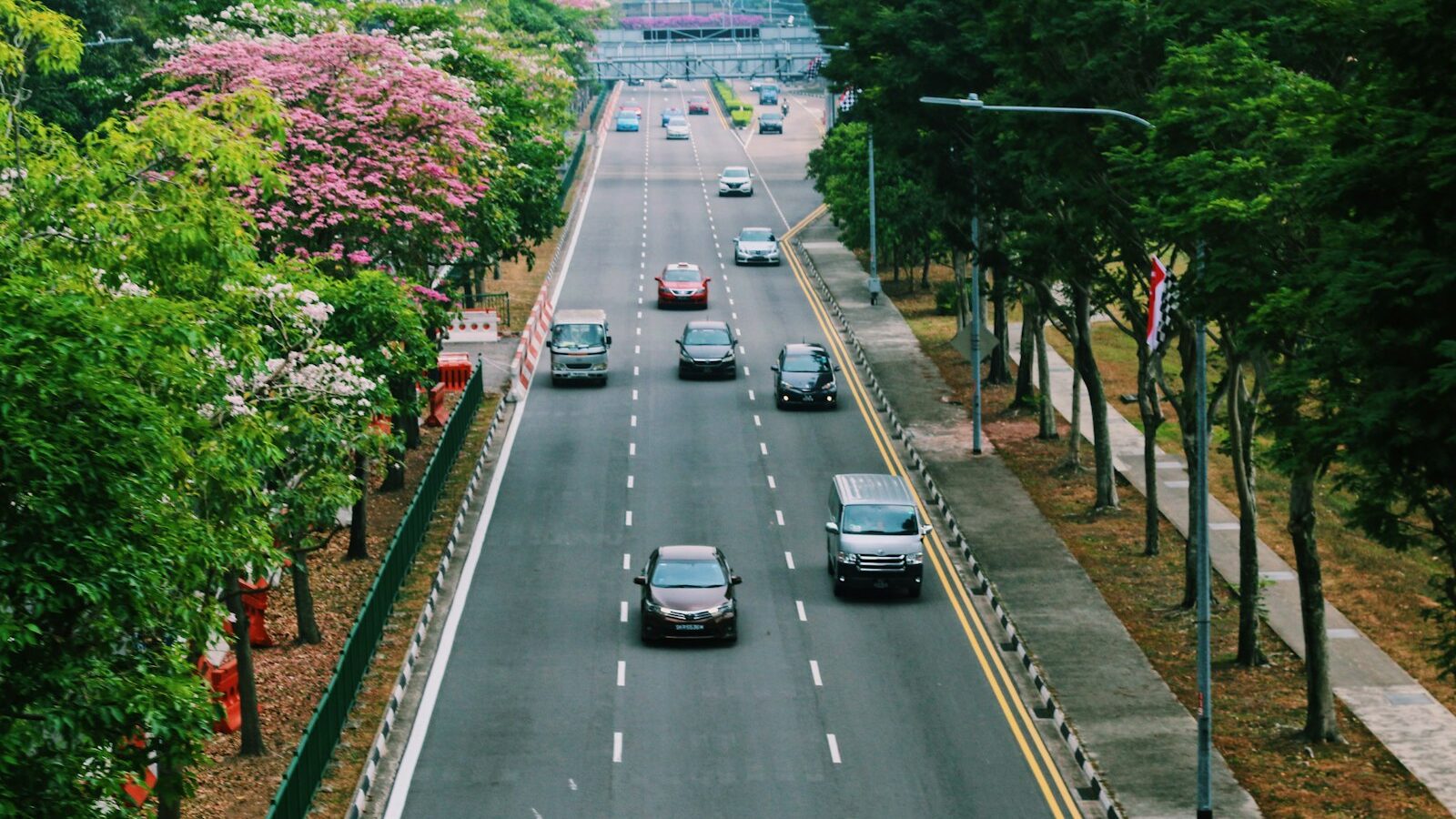
Few motoring ideas capture the imagination like a car that drives itself. Between the headlines and the hype, though, it can be hard to tell what is real today and what is still years away. Driverless cars in Singapore sit somewhere in the middle: the country is often mentioned as a natural testbed thanks to its compact size, orderly roads and strong support for new mobility, yet a car you can nap in on the way to work is not something you can buy at a showroom. This guide separates the levels of self-driving from one another, explains what tends to happen during local trials, and lays out what still has to fall into place.
Because this is an area of active development and regulation, treat everything here as background rather than a timeline. For the current state of trials, rules and where testing is allowed, the Land Transport Authority (LTA) is the authority to check, and its guidance is what governs what is permitted on public roads.
What “Driverless” Really Means: The Levels of Autonomy
The word “autonomous” covers a wide range, so engineers describe it in levels from 0 to 5. Understanding them clears up a lot of confusion.
- Level 0 to 1: the human does the driving. The car may add single helpers such as cruise control or automatic braking, but you are fully in charge.
- Level 2: the car can steer and manage speed together in some situations, yet you must keep your hands ready and your eyes on the road at all times. Most “driver assist” systems sold today sit here.
- Level 3: the car can handle driving in defined conditions and may let you look away, but it can ask you to take over at short notice.
- Level 4: the car can drive itself fully within a mapped or limited area without needing you to step in, though it may not go everywhere.
- Level 5: full self-driving anywhere a human could drive, with no steering wheel needed. This remains a goal rather than a reality.
The key takeaway is that the systems ordinary buyers can use now are assistance features, not chauffeurs. Whatever the marketing suggests, if a car needs you ready to take over, you are still the driver and still responsible.
Why Singapore Is Often Chosen for Trials
Singapore has several qualities that make it a sensible place to test autonomous vehicles. It is small and densely mapped, its roads are generally well maintained and clearly marked, and it has a long habit of planning transport centrally. There is also a practical motivation: a small resident workforce and an ageing population make driverless shuttles and buses attractive for filling gaps in public transport, especially on quieter routes and at off-peak times.
That is why much of the local interest focuses on shared and public forms of transport rather than private cars. A self-driving shuttle looping a fixed route, or an autonomous bus on a defined corridor, is a more manageable first step than letting private robotaxis roam everywhere. It keeps the technology inside a controlled setting where it can be studied, refined and, crucially, kept safe.
What Happens During Local Trials
Autonomous trials are deliberately cautious, and for good reason. Testing typically takes place in designated zones rather than across the whole island, and a trained safety operator is usually on board, ready to take control instantly. Vehicles run on carefully mapped routes, often at modest speeds, and the data gathered feeds back into making the systems more reliable before any wider use is considered.
Exactly where testing is permitted, which operators are involved, and how far trials have progressed all change over time, and these are decisions for the LTA and its partners, not something to assume from older news. If you want the real picture, check the LTA’s latest announcements rather than relying on a figure or claim you saw somewhere. What is safe to say is that the direction of travel is gradual, evidence-led and centred on safety.
What Still Has to Happen
Getting from supervised trials to everyday driverless travel is a big leap, and several things have to come together first.
- Proven safety: the technology has to show it can handle rain, roadworks, cyclists, sudden pedestrians and the messy reality of shared roads, consistently and over large distances.
- Clear rules and responsibility: society needs settled answers on insurance, liability and how an autonomous vehicle is certified as roadworthy, all of which fall to regulators and lawmakers.
- Reliable infrastructure: accurate maps, dependable connectivity and roads that the systems can read must be kept in good order.
- Public trust: people need to feel genuinely safe sharing roads and footpaths with vehicles that drive themselves, and that trust is earned slowly.
- Sensible economics: the technology has to make sense to build, run and maintain compared with the transport we already have.
None of these is trivial, which is why realistic expectations matter more than bold predictions.
Comparing Today’s Reality With the Longer-Term Picture
The table below contrasts what is available to ordinary drivers now with what fuller autonomy would look like, so the gap is easy to see.
| Aspect | Driver-assist cars on sale now | Fuller self-driving (a future goal) |
|---|---|---|
| Who is responsible | The human driver, always | Shifts toward the system and its operator |
| Where it works | Anywhere you drive, with limits | Within mapped or approved areas |
| Attention needed | Hands ready, eyes on the road | Little to none inside its design limits |
| Availability | Widely sold today | Still in trials and development |
Driving Sensibly in the Meantime
While the future takes shape, the practical advice for today is simple: treat the assistance features in modern cars as helpers, not replacements for your attention. Read your owner’s manual so you know exactly what each system does and does not do, keep your hands on the wheel and your eyes on the road, and never let a feature tempt you into distraction. Defensive, courteous, rules-compliant driving remains the surest way to stay safe, and your driving instructor and the Highway Code are still your best guides.
Driverless cars will keep making headlines, and Singapore will likely stay part of that story. For now, the honest summary is that the groundwork is being laid carefully, one supervised step at a time.
Explore more
To make sense of the technology already in your car, read modern car safety features explained and our guide to car apps and connected features. If you are weighing your next vehicle, plug-in hybrid vs full electric is a useful place to start.