
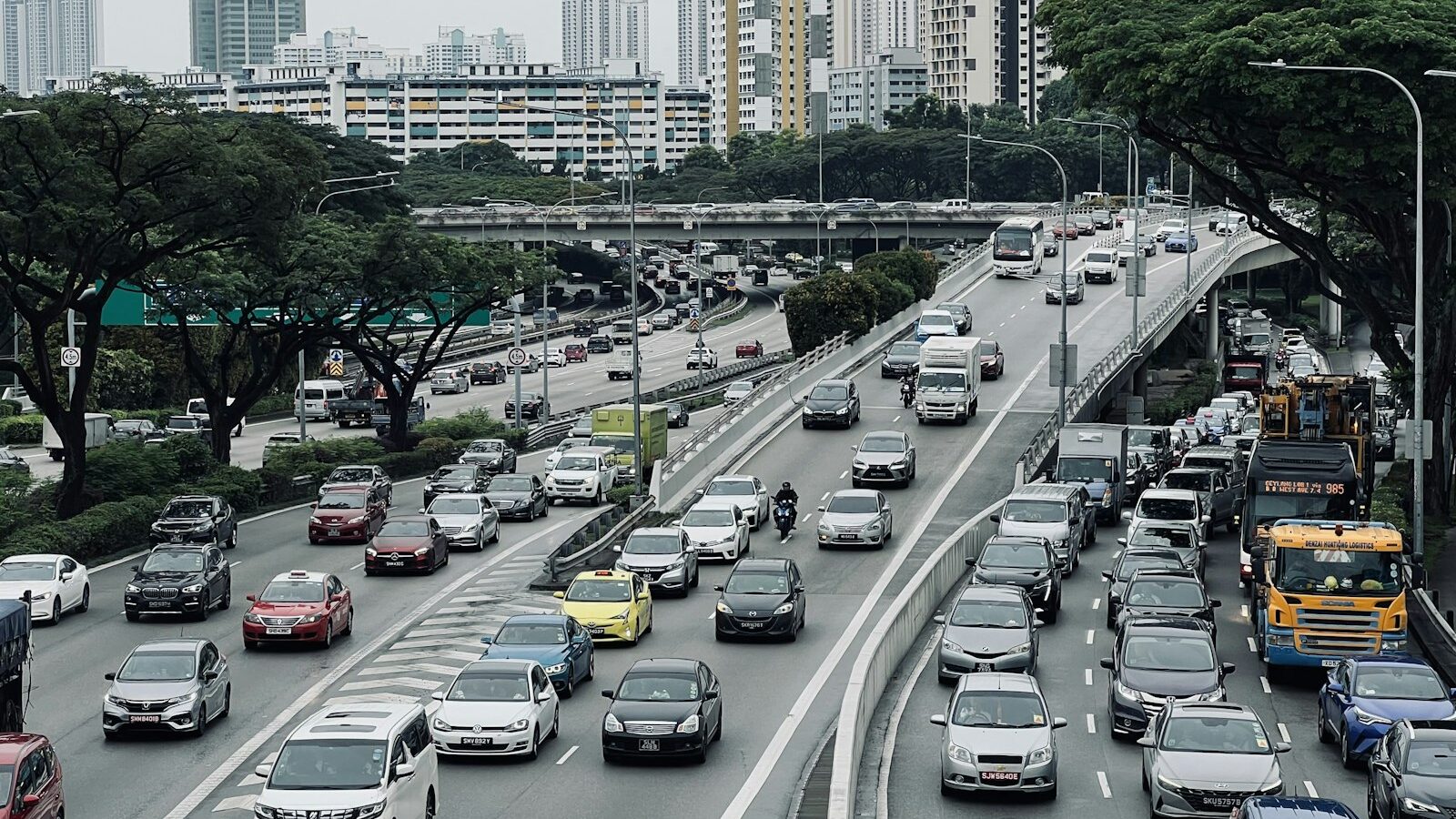
Cars sold today carry a long list of safety acronyms, and it is easy to nod along at the showroom without really knowing what any of them do. Yet these systems are the reason a moment of inattention on the CTE or a sudden stop in wet weather so often ends without a scratch. This guide walks through the most common car safety features in plain language, sorting them into the ones that help you avoid a crash and the ones that protect you if a crash still happens, so you can shop and drive with more confidence.
Active Versus Passive Safety: Two Lines Of Defence
Engineers group safety into two families. Active safety features work before impact, helping you stay in control and avoid the collision altogether. Think of anti lock brakes, stability control, and systems that watch your surroundings. Passive safety features work during and after impact, reducing harm once a crash is unavoidable. Airbags, seatbelts, and the car’s crumple structure fall into this group.
A well protected car needs both. The best braking system in the world cannot cover every situation, so the airbags and structure are there as a backstop. Understanding which features do what helps you judge how complete a car’s protection really is, rather than being swayed by the longest acronym list.
Systems That Help You Stop And Stay In Control
This first group of active features manages the physics of braking and grip, which matter enormously on Singapore’s often wet, busy roads.
- Anti lock braking system (ABS). In a hard stop, ABS stops the wheels from locking and skidding, so you can keep steering while braking. It is one of the oldest and most important active systems.
- Electronic brakeforce distribution (EBD). This balances braking force between the wheels depending on load and grip, making stops more stable.
- Brake assist. This senses an emergency stop, when you stamp the pedal, and applies full braking force faster than many drivers manage on their own.
- Electronic stability control (ESC). If the car begins to slide or understeer through a bend, ESC gently brakes individual wheels to bring it back on line. It is widely regarded as one of the most effective safety advances of recent decades.
- Traction control. This limits wheelspin when you accelerate on a slippery surface, such as a rain slicked junction, keeping you moving in a straight, predictable manner.
These systems work quietly and you may never notice them acting. That is the point. They intervene in fractions of a second, doing what even a skilled driver cannot do fast enough by hand.
Features That Watch Your Surroundings
Newer cars add a layer of sensors and cameras that keep an eye on things you might miss. This broad set is often called driver assistance, and it is worth knowing what each part actually does.
- Autonomous emergency braking (AEB). If the car detects an imminent collision and you have not reacted, it can brake automatically to avoid or soften the impact. Some systems also detect pedestrians and cyclists.
- Blind spot monitoring. A light in or near the door mirror warns you when a vehicle is sitting in your blind spot, which is invaluable when changing lanes on a multi lane expressway.
- Lane keeping and lane departure warning. These alert you, or gently steer, if you drift out of your lane without signalling, helping on long, monotonous stretches.
- Rear cross traffic alert. When you reverse out of a parking bay, this warns of vehicles approaching from the side, a real help in tight HDB and mall carparks.
- Adaptive cruise control. This maintains a set gap to the car ahead, easing off and speeding up with the flow of traffic on the highway.
These aids are genuinely useful, but they are assistants, not chauffeurs. They can be fooled by faded lane markings, heavy rain, or glare, so keep your hands on the wheel, your eyes on the road, and treat every alert as a prompt to check for yourself.
Protecting People When A Crash Happens
When avoidance is no longer possible, passive safety takes over to reduce injury. These features are less glamorous than the high tech sensors, but they save lives every day.
- Airbags. Front airbags cushion the driver and front passenger, while side and curtain airbags protect against side impacts and flying glass. They work together with seatbelts, not instead of them.
- Seatbelts with pretensioners and load limiters. Pretensioners tighten the belt instantly in a crash to hold you in place, while load limiters ease the force slightly to reduce chest injury.
- Crumple zones and a strong safety cell. The front and rear of a modern car are designed to fold and absorb energy, while a rigid cabin structure keeps the space around occupants intact.
- ISOFIX child seat anchors. These standardised mounting points let a compatible child seat clip firmly to the car’s frame, giving a more secure and less error prone fit than a seatbelt alone. If you carry young children, this matters.
The table below sorts the main features so you can see the two families at a glance.
| Feature | Type | What it does |
|---|---|---|
| ABS and EBD | Active | Keeps wheels from locking so you can steer while braking |
| Electronic stability control | Active | Corrects skids by braking individual wheels |
| Autonomous emergency braking | Active | Brakes automatically to avoid or reduce an impact |
| Blind spot and lane keep aids | Active | Warn or nudge you away from unseen hazards |
| Airbags and seatbelt pretensioners | Passive | Cushion and restrain occupants during a crash |
| Crumple zones and ISOFIX anchors | Passive | Absorb crash energy and secure child seats |
Making Sense Of It All When You Buy
You do not need every feature ever invented, but a few are worth prioritising. ABS, stability control, and a solid set of airbags are the foundation, and autonomous emergency braking has become a highly valued addition. If you carry children, ISOFIX anchors are close to essential.
When comparing cars, ask the dealer exactly which systems are standard on the variant you are considering, as features often differ between trim levels. Independent crash test and safety ratings can help you compare models objectively, so look those up rather than relying on the brochure alone. Above all, remember that no system replaces attentive, courteous, rules compliant driving. These features are there for the moment things go wrong, and the best outcome is that you never call on them at all.
Explore More
Safety is a blend of what the car does and what you add to it. Pair these built in systems with a good recorder by reading our guide to dash cameras in Singapore. To see where all this technology is heading, explore the road to driverless cars in Singapore, and learn how car apps and connected features are changing the way we interact with our vehicles.
Related across Sky Media: Travelling With Your Dog by Car: A Safety Guide