
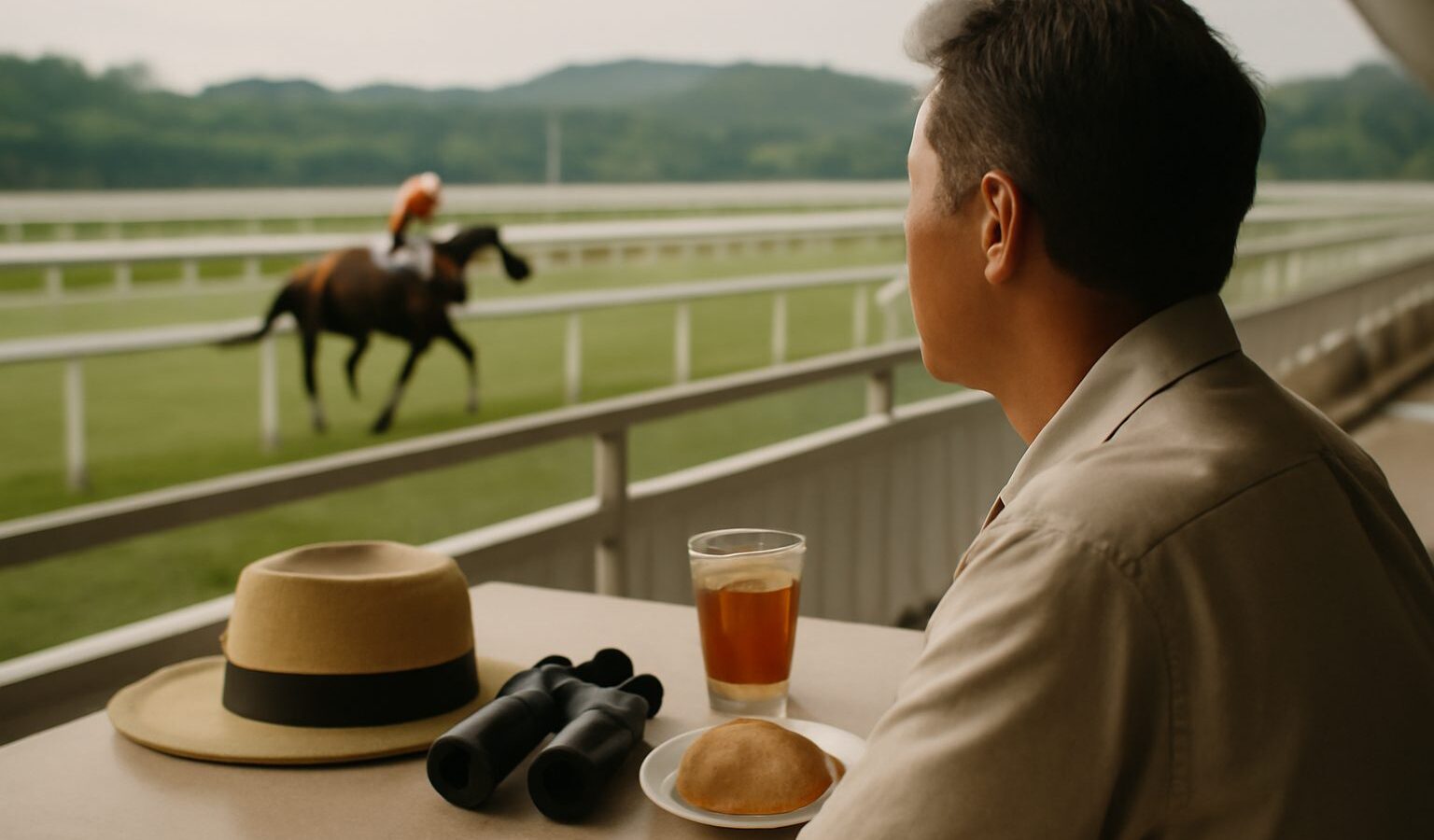
For well over a century and a half, horse racing was one of the most visible sporting spectacles in Singapore. Crowds gathered at the racecourse for days of pageantry, thundering hooves and shared excitement, and the club that ran the sport became a fixture of island life. The story of the Singapore Turf Club and its racecourses is a story of colonial pastimes, changing society and, in the end, a quiet farewell.
Singapore turf club history reaches back to the nineteenth century and stretches to the present day, taking in two great racecourse sites and generations of racegoers. Understanding it offers a window into how Singapore worked, played and changed over time.
Origins, the Racecourses and the Social Role
Organised horse racing in Singapore dates from the first half of the nineteenth century, when a racing club was formed and races were held on a course in the area that is still remembered in the name Race Course Road. Racing in this early period was closely tied to the colonial establishment, and the racecourse was a place where the social order of the day was on display, from the grandstand to the general enclosures.
As the sport grew, a new and larger course was developed at Bukit Timah. For much of the twentieth century Bukit Timah was the home of Singapore racing, drawing large crowds on race days and hosting the sport through peace and through the disruptions of war. Race meetings became social occasions as much as sporting ones, with fashion, food and festivity accompanying the contests on the track.
The racing club, which came to be known as the Singapore Turf Club, was more than a sporting body. It managed the courses, organised meetings and, over the decades, became an institution woven into the calendar and geography of the island. Racing also had a strong following among ordinary residents from many communities, and race days were part of the shared texture of city life. In this the racecourse joined other grand structures that shaped how Singaporeans gathered and enjoyed themselves, a theme explored in our feature on Singapore’s lost buildings and landmarks.
It is worth noting that horse racing has long been associated with betting. In Singapore, gambling is regulated and restricted to those aged eighteen and above, and this article describes the sport and its heritage rather than encouraging any form of wagering.
The Move to Kranji and the Later Years
In time the Bukit Timah course gave way to a new home. Racing operations moved to a modern racecourse at Kranji, in the north of the island, which opened around the turn of the millennium. The Kranji facility was a large, purpose built venue designed for contemporary racing, with grandstands, stabling and the infrastructure of a modern turf club, and it hosted both local racing and international races that drew visitors from the wider region.
For a couple of decades Kranji carried on the tradition, staging regular race meetings and marquee events. It became the working heart of Singapore racing, employing many people and supporting a community of trainers, jockeys, stable hands and racing enthusiasts. The old Bukit Timah site, meanwhile, was repurposed for other uses while retaining traces of its racing past.
Closure and Legacy
In the 2020s it was announced that horse racing in Singapore would come to an end, with the Kranji racecourse to hold its final meeting and the land to be returned for future redevelopment to meet the nation’s housing and other needs. This decision, framed as part of long term land use planning on a small and densely populated island, brought down the curtain on more than a century and a half of organised racing. The last race meetings marked the close of a long chapter in the country’s sporting and social history.
The end of racing was met with a mixture of understanding and nostalgia. Many recognised the value of the land for pressing national needs, while longtime racegoers, industry workers and heritage minded observers mourned the loss of a tradition that had entertained generations. Attention turned to caring for the horses, supporting those whose livelihoods depended on the sport, and remembering the racecourse story.
The legacy of the Singapore Turf Club endures in several ways. Place names, old photographs, memories and heritage records preserve the history of racing at the early course, at Bukit Timah and at Kranji. The story reminds us how imported pastimes became part of local life, how the city reshaped its land over time, and how a single institution could span so much of the nation’s development.
How to Explore This Heritage
Those interested in this history can explore it through heritage archives, museum collections, old newspapers and photographs, and the many written accounts of racing in Singapore. Neighbourhoods and roads that carry racing associated names offer a tangible link to the past, and heritage trails and features sometimes touch on the racecourse story.
Because commemorative programmes, exhibitions and redevelopment plans continue to evolve, it is best to look for current heritage initiatives and official updates for the latest information. Approached as social history, the tale of the Singapore Turf Club and its racecourses is a rich and revealing part of the island’s heritage, one that speaks to sport, society and the ever changing shape of Singapore itself.