
There is a special kind of friendship that forms over a game board, quiet, patient, and unhurried. If you have recently moved from the mainland, finding a weiqi go club singapore offers is a lovely way to keep a beloved pastime alive and to meet people who share it. This guide introduces weiqi, sets it alongside xiangqi, and explains how to find a club and learn as a beginner, whatever your age.
What is weiqi
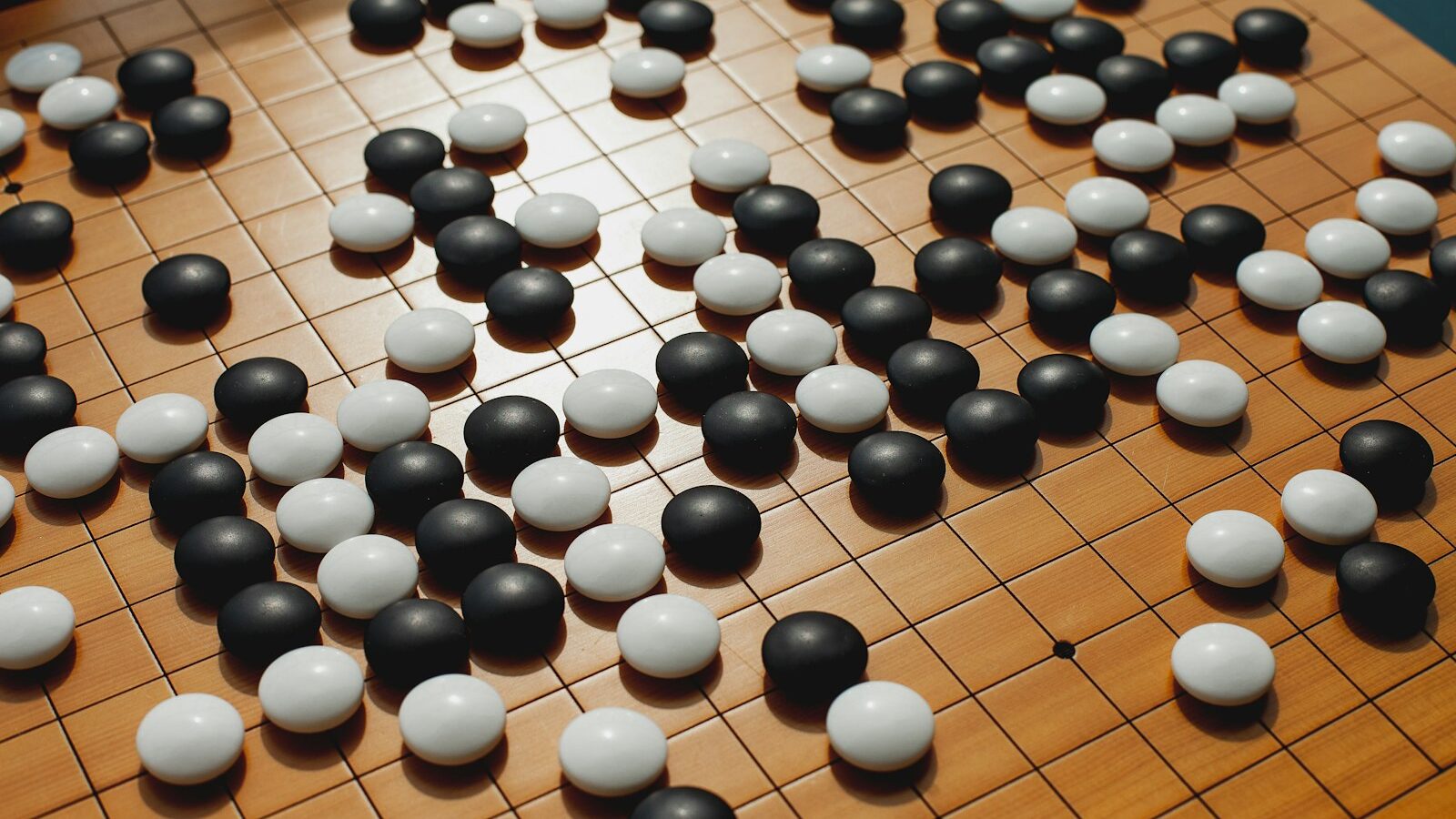
Weiqi, known in the wider world as Go and in Japan as igo, is one of the oldest board games still played today. Two players take turns placing black and white stones on the lines of a gridded board, aiming to surround more territory than the opponent. The rules are simple enough to learn in an afternoon, yet the game is deep enough to study for a lifetime.
Part of the appeal is that weiqi is as much about temperament as calculation. It teaches patience, foresight, and grace in both winning and losing. Many players describe a good game as a conversation without words. For a newcomer settling into a new country, that quiet companionship can be deeply steadying.
You do not need to be an expert to enjoy it. Clubs welcome players of every level, and a well matched game between two beginners is every bit as satisfying as a match between masters.
Weiqi, xiangqi, and other games
Weiqi is not the only traditional game with a devoted following here. It helps to know the wider family so you can choose what draws you.
- Weiqi (Go): a territory game of black and white stones, calm and strategic.
- Xiangqi (Chinese chess): a lively battle of generals, chariots, and cannons across a river, familiar to many mainland players and hugely popular in Singapore’s coffee shops and void decks.
- Mahjong: a social tile game, more often played among friends and family than in formal clubs.
- Chess and other games: many board game groups here also play international chess and modern tabletop games.
If you grew up watching elders play xiangqi in the park, you will find that scene alive and well in Singapore. Weiqi tends to be a little more organised around clubs and lessons, while xiangqi often thrives informally wherever players gather.
Where to find a club
Communities here are friendly and easy to reach once you know where to look. A mix of formal associations and casual gatherings exists side by side.
| Where to look | What you might find |
|---|---|
| Weiqi associations and schools | Structured lessons, gradings, and regular club sessions for all levels |
| Community centres | Neighbourhood interest groups, often affordable and open to newcomers |
| University and school clubs | Younger players and a lively scene if you are studying here |
| Cafes and hobby spaces | Casual meetups where you can drop in for a game |
| Online communities | Messaging and social groups that post meeting times and beginner sessions |
A good starting point is to search for a weiqi association or a Go school and ask about beginner classes and open club days. Community centres often run interest groups too, and their staff can point you to the nearest one. For xiangqi, you may simply find players at neighbourhood coffee shops and community spaces who are glad of a new opponent.
Before you commit, ask a few practical questions: Are beginners welcome? Is there a fee for sessions or membership? Are boards and stones provided, or should you bring your own? Do they hold gradings or friendly tournaments? Most clubs are relaxed and will happily let you observe or play a casual game first.
Learning as a beginner
Starting a strategy game as an adult can feel daunting, but weiqi is unusually kind to newcomers because of its handicap system, which lets stronger and weaker players enjoy a fair game together.
Begin with a smaller board. Many teachers start beginners on a nine by nine grid before moving to the full nineteen by nineteen board. This lets you grasp the ideas of capturing and territory without feeling lost.
Learn the few core rules first, then play often. You will improve far more from playing regular gentle games than from studying theory alone. Do not fear losing; experienced players expect beginners to lose many games at the start, and a good club treats every loss as a lesson rather than a defeat.
Ask a stronger player to review your game afterwards. This friendly custom, common in weiqi circles, is where much of the real learning happens. Bring a notebook if you like, and be patient with yourself. Progress in weiqi is slow and steady, and that is part of its charm.
If reading or apps help you, plenty of free resources exist to practise between club sessions. Balance them with real games against real people, since the social side is half the pleasure.
A few gentle habits speed things along. Play out simple life and death puzzles to train your eye for when a group of stones is safe or lost. Replay your own finished games and notice the one or two moments where the game turned. Try not to fixate on a single corner while your opponent quietly builds a larger framework elsewhere; weiqi rewards a wide, calm view of the whole board. None of this needs to feel like study. Treat it as curiosity, and let your understanding grow at its own pace.
The warmth of the community
Perhaps the greatest gift of a board game club is not the game itself but the people around the table. Regular sessions give your week a rhythm, and shared silences over a board can grow into genuine friendships that ease the loneliness of a new city. Older newcomers, in particular, often find that a weiqi or xiangqi group becomes a cherished part of their week, a place where age and language matter less than the game you both love.
Whether you are a seasoned player missing your old club or a curious beginner who has never held a stone, there is a seat waiting for you here. Show up, play gently, and let the games do the introducing.
Explore more
Joining a Chinese Choir or Singing Group
Chinese Tea Culture in Singapore
Chinese Bookstores and Libraries
Mid-Autumn Festival in Singapore