
Bugis Street history is a vivid chapter in the making of modern Singapore, tracing how one lane moved from a famous night haunt to a redeveloped district and finally to the busy shopping street known to visitors today. Its story is one of change, memory, and reinvention, and it deserves to be told plainly and with care.
Where the Name Comes From
The name Bugis recalls the seafaring Bugis people from the Sulawesi region, renowned traders and mariners who sailed across the archipelago. In Singapore’s early trading years, the area near the river and the town’s fringes drew many communities of merchants and settlers, and the Bugis name became attached to this quarter.
Over time the district around Bugis grew into a dense mix of shophouses, markets, and street life. It sat close to the heart of the old town, and its lanes carried the constant traffic of trade, food, and daily business that marked Singapore’s growth as a port.
A Street That Came Alive at Night
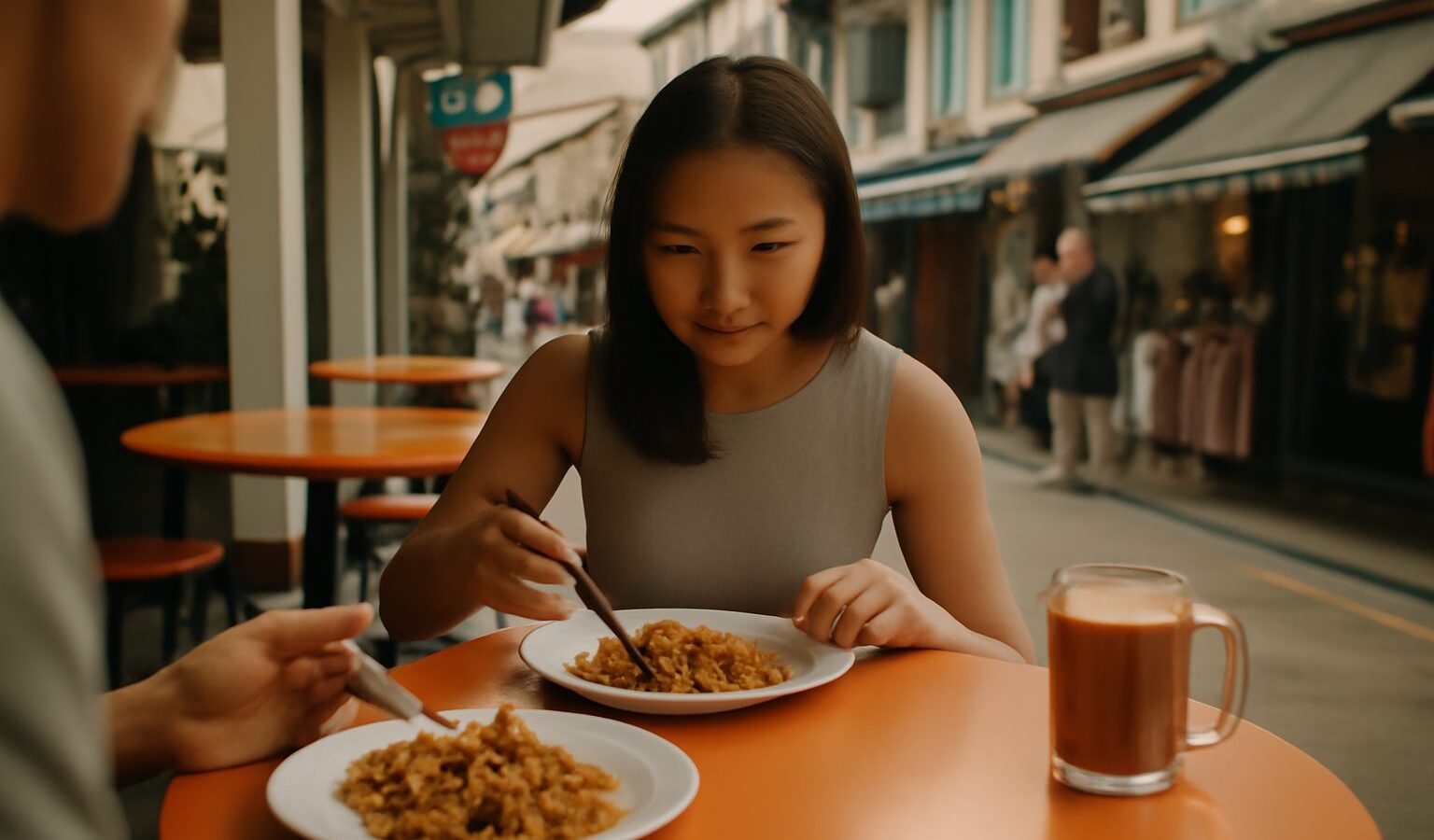
By the middle decades of the twentieth century, Bugis Street had become famous for its nightlife. After dark, the lane filled with open-air food stalls, hawkers, and a lively crowd. Tables spilled onto the street, satay smoke drifted through the air, and the atmosphere drew locals, sailors, and travellers alike.
Bugis Street earned an international reputation during this era. It became known as a place where the ordinary rules of the day seemed to loosen, and it was widely associated with a visible transgender community who were part of its nightly scene. For many visitors from abroad, the street became a well-known stop, and its name appeared in travel accounts and guidebooks of the time.
This reputation is part of the historical record and is best treated factually and without sensationalism. The street was, above all, a bustling social space where different worlds met, and the people who lived and worked there were part of Singapore’s social history.
What the Old Street Offered
- Open-air dining: rows of hawker tables serving late into the night.
- Street entertainment: an informal, festive atmosphere unlike the daytime town.
- A meeting point: locals, seafarers, and tourists sharing the same lanes.
- A distinct identity: a nightlife district known well beyond Singapore.
Redevelopment and Change
As Singapore modernised and reshaped its urban landscape, the old Bugis Street could not remain untouched. Plans for the area, including the construction of the underground rail network, meant that the district was cleared and redeveloped. The famous night lane of old effectively came to an end, and with it a particular era of Singapore street life closed.
The redevelopment reflected the priorities of a fast-changing city that was rebuilding its centre. For those who remembered the old street, its passing was felt keenly, and it became a subject of nostalgia in books, films, and conversation. The Bugis of memory and the Bugis being built were, for a time, two very different places.
| Era | Character of Bugis Street | Main draw |
|---|---|---|
| Mid-twentieth century | Open-air nightlife lane | Hawker food and street life |
| Redevelopment years | Cleared and rebuilt | Urban renewal and rail works |
| Present day | Covered shopping street | Bargain retail and food |
Bugis Street Reborn
Today the Bugis Street name lives on in a very different form. A bustling covered shopping street now occupies the area, packed with stalls selling clothing, accessories, snacks, and souvenirs. It draws students, families, and tourists in search of a bargain, and it hums with a busy, everyday energy.
Nearby, Bugis Junction and Bugis+ brought air-conditioned malls and a glass-covered shophouse street to the district, blending preserved facades with modern retail. The wider area has become one of the liveliest shopping and transit hubs in the city, well connected and always crowded. In this way the Bugis name has been carried forward, even as its meaning has shifted from a nightlife lane to a shopping destination.
Visiting Bugis Today
- Explore the street market for affordable clothing, gifts, and street snacks.
- Wander the surrounding district, where old shophouses sit beside modern malls.
- Notice the layers of history in the area’s temples, mosques, and heritage buildings nearby.
- Treat the past with respect, remembering the communities who gave the street its story.
Bugis in the Wider Heritage District
Bugis Street does not stand alone but sits within one of the most layered heritage districts in Singapore. Walk a short distance and you meet places of worship that have served their communities for generations, from temples to mosques to churches, standing close together as a picture of the city’s diversity.
The surrounding streets carry their own histories of trade, publishing, schooling, and worship, and the area has long been a crossroads where many communities met. This wider setting gives Bugis Street its context. It was never an isolated curiosity but part of a dense, living quarter where commerce and daily life pressed up against one another.
Understanding this helps visitors see beyond the bargain stalls of today. The energy of the modern shopping street is, in a sense, a continuation of the crowded, trading spirit that has defined this part of town for a very long time. The names and the shopfronts have changed, but the district’s role as a busy meeting place has proved remarkably durable.
Holding the Memory With Care
The history of Bugis Street reminds us that a place can hold many identities across time. The lively night lane, the years of redevelopment, and the busy shopping street of today are all part of one continuous story. Remembering the older Bugis Street means acknowledging its full social history honestly and with dignity, rather than reducing it to a caricature.
A Living Chapter of the City
Bugis Street history shows how Singapore constantly remakes itself while carrying its past forward in name and memory. From seafaring traders to a famous night market, from redevelopment to a thriving shopping quarter, the street has never stood still. To walk through Bugis today is to stand on layers of history, and to remember it fully and fairly is to honour the many people who shaped this remarkable corner of the city.
Explore more: Bugis and Bras Basah Heritage Guide · Old Singapore Nostalgia · Kampong Days in Singapore