
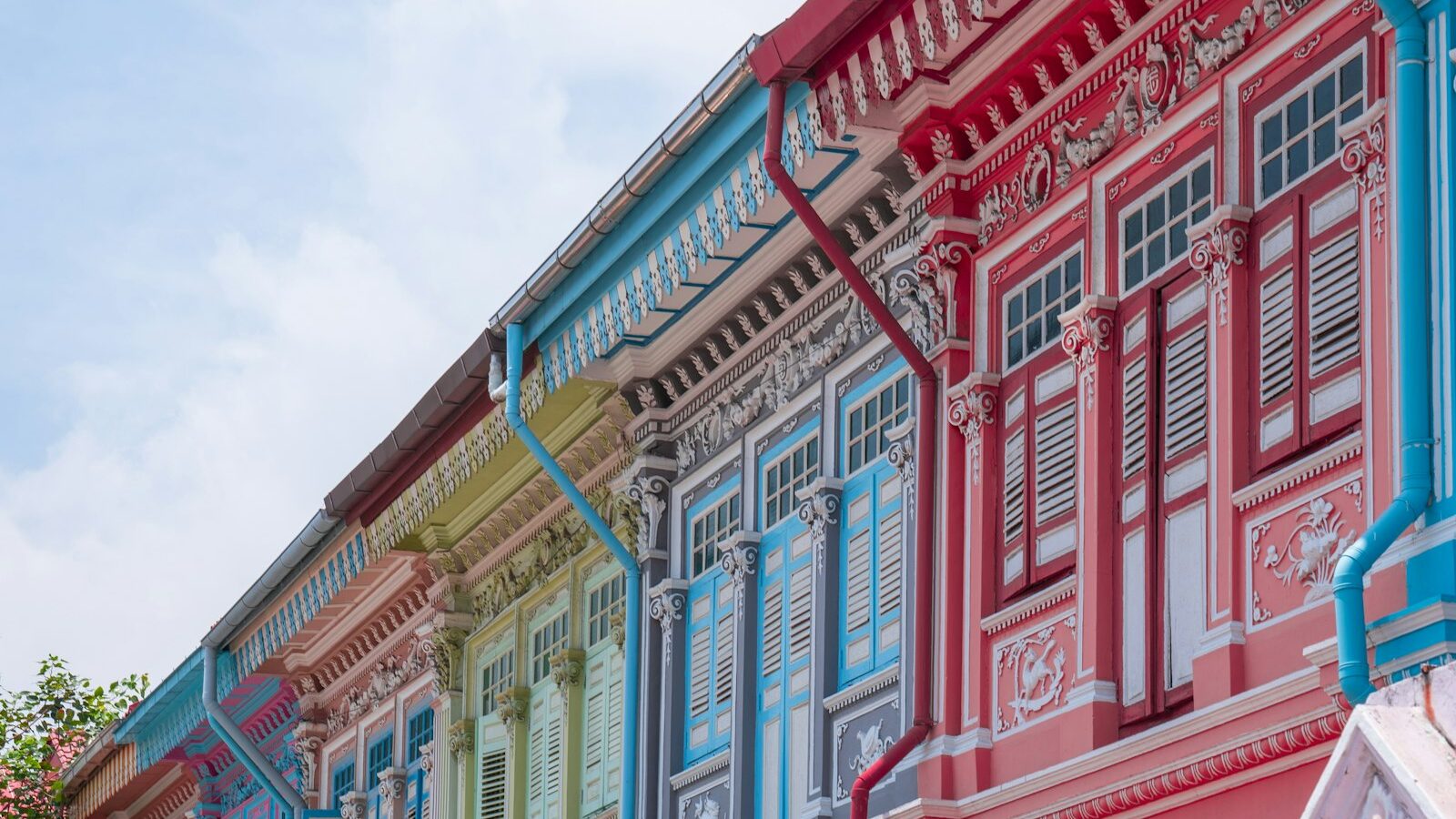
Where the modern shopping crowds of Bugis meet the museums and old schools of Bras Basah, you find one of the richest layers of the city’s past. This Bugis Bras Basah heritage guide explores a compact quarter that packs in seafaring history, pioneering schools, grand civic buildings, and places of worship from several faiths, all within an easy walk. Officially promoted as an arts, culture, learning, and entertainment district, the Bras Basah Bugis precinct rewards visitors who slow down and read the stories behind its facades.
Seafarers, Streets and Early Settlement
Bugis takes its name from the Bugis people, seafaring traders from the region who were among the many communities drawn to Singapore as it grew into a busy port in the nineteenth century. Their presence in the early town gave the area its name and a reputation as a lively, cosmopolitan quarter. Over time, the streets filled with a mix of communities, trades, and dialect groups typical of the growing settlement.
Bras Basah, just to the south, carries a name commonly linked to the drying or unloading of rice near the old convergence of waterways and roads. Together the two areas formed part of the town’s expanding heart, close to the civic district and the sea. For the precise origins of these place names and the communities behind them, the National Heritage Board is the reliable guide.
A District of Schools and Learning
One of the defining threads of Bras Basah is education. Some of Singapore’s oldest and most storied schools were founded in this district, and several handsome former school buildings survive, repurposed for new uses while keeping their heritage architecture. The area’s long association with learning is why it is often described as a cradle of education in Singapore.
This legacy is visible in the grand institutional buildings that now serve as museums and arts venues. The Singapore Art Museum occupies a former school building, and other heritage structures nearby have found new life as cultural and educational spaces. Walking these streets, you pass generations of Singaporean schooling written into brick and plaster, a reminder of how central education has been to the nation’s development.
Museums, Civic Landmarks and the Arts
Bras Basah sits at the edge of the civic district, and the concentration of cultural institutions here is remarkable. The National Museum of Singapore, the country’s oldest museum, anchors the area with its distinctive dome, telling the national story across its galleries. Nearby, art museums, libraries, and arts schools reinforce the district’s identity as a hub of creativity and learning.
The precinct has been deliberately shaped as an arts and culture destination, with public art, galleries, and creative institutions woven among the historic buildings. For opening hours, ticketing, and current exhibitions at any museum, check the official websites, as these change regularly. The mix of old architecture and contemporary culture is exactly what gives the quarter its energy.
Many Faiths in One Quarter
Few parts of Singapore display the country’s religious diversity as clearly as this one. Within a short walk you can find churches, temples, and a mosque, standing as neighbours in a compact area. This closeness of different places of worship is often held up as an emblem of Singapore’s multi-religious harmony, and several of the buildings are admired for their architecture and history.
Visitors are welcome at many of these sites, but respect is essential. Dress modestly, keep your voice low, remove footwear where required, and follow any posted guidance on photography and entry. Treat each place of worship with dignity, remembering that these are active houses of faith, not merely tourist attractions.
To help you plan, here is a snapshot of what the quarter offers.
| Theme | What you will find | Good to know |
|---|---|---|
| History and settlement | Old streets, seafaring and trade heritage | Bugis name recalls seafaring traders |
| Education | Former school buildings, now reused | A historic cradle of Singapore schooling |
| Arts and museums | National Museum, art museums, libraries | Check official sites for hours and shows |
| Faith | Churches, temples and a mosque nearby | Dress modestly and enter respectfully |
Bugis Today
Modern Bugis is bustling and youthful, centred on busy shopping streets and a well-known street market where stalls sell clothes, accessories, and souvenirs. This everyday, energetic side of the district sits right beside the quieter heritage of Bras Basah, and the contrast is part of the appeal. Shophouses, food outlets, and hotels fill in the streets between the landmarks.
The area shows how Singapore layers commerce, culture, and history in a small footprint. You can shop for bargains, view world-class exhibitions, and step into a centuries-old tradition of worship, all within a few hundred metres. That density of experience is distinctly urban and distinctly Singaporean.
Cultural Significance
The Bugis and Bras Basah quarter matters because it gathers so many strands of the national story in one place: the seafaring and immigrant past, the pioneering schools, the civic and museum landmarks, and the peaceful coexistence of many faiths. It is where Singapore keeps and presents much of its collective memory, from the National Museum’s galleries to the historic school buildings now serving new generations.
As a designated arts and heritage precinct, it also points to the future, showing how conserved buildings can host contemporary creativity. For anyone wanting to understand how Singapore remembers and reinvents itself, this district is essential.
Visiting Bugis and Bras Basah
Access could hardly be easier. Bugis MRT station, an interchange on the East West and Downtown Lines, sits at the heart of the area, while Bras Basah station on the Circle Line serves the museum end, and many buses pass through. Everything is within comfortable walking distance.
Set aside half a day if you can. Combine a museum visit with a walk past the historic schools and places of worship, then finish amid the shops and street market of Bugis. Dress for the heat and for entering places of worship, carry water, and check museum and site hours in advance so your plans line up with opening times.
Explore More
This civic quarter connects with the city’s other historic areas. For Peranakan shophouses to the east, see our Katong and Joo Chiat heritage guide; for early immigrant and temple history, read the Telok Ayer Street heritage guide; and to follow the river’s trading past, visit our Boat Quay and Clarke Quay history.