
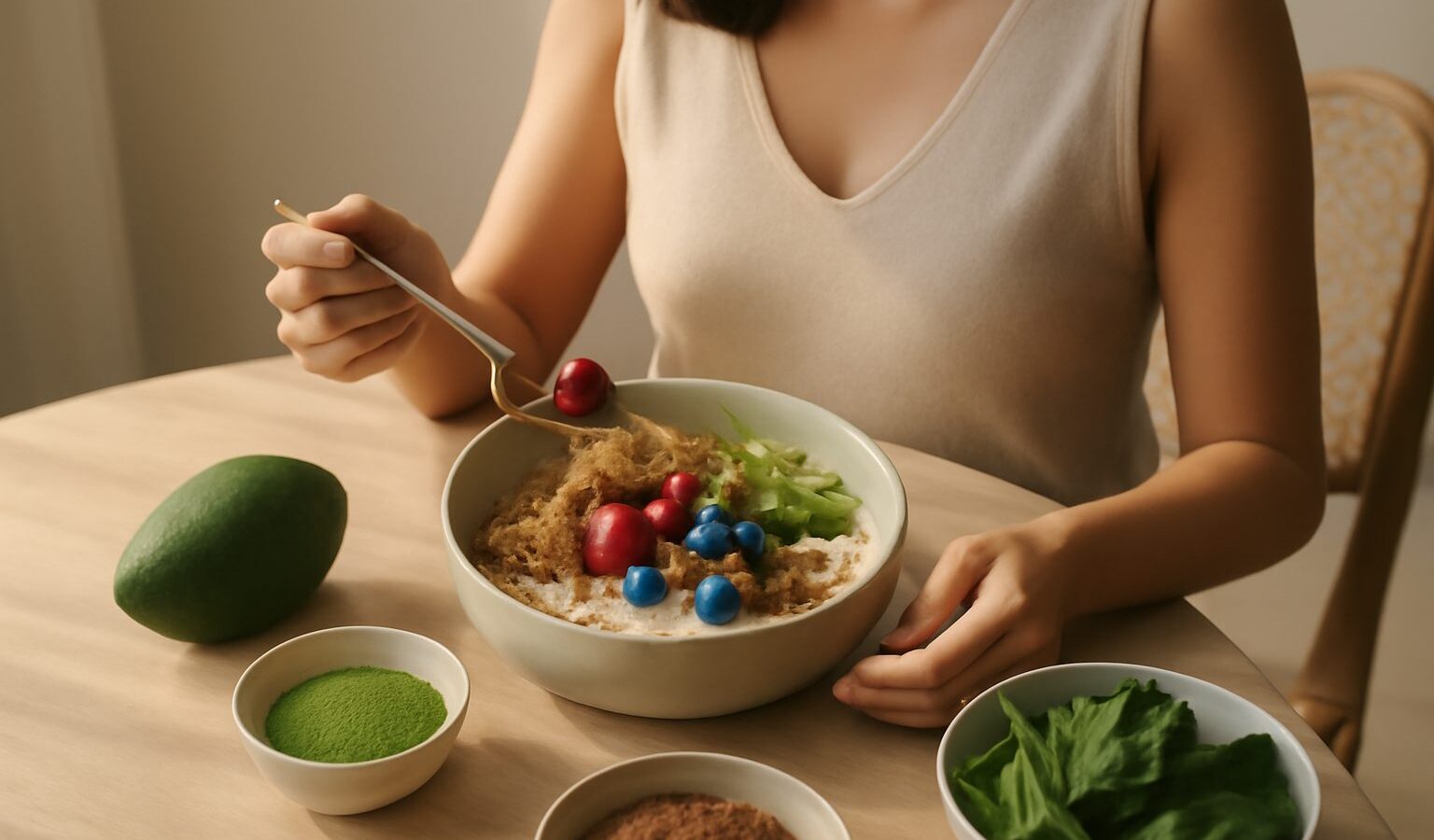
Walk through any supermarket in Singapore and you will meet them: bags of goji berries, tubs of chia seeds, bright green matcha and imported acai promising to transform your health. The word “superfoods” is everywhere, usually attached to a premium price tag. So it is worth asking plainly what the truth about superfoods really is, because the answer is calmer and more useful than the marketing would have you believe.
This is general information to help you shop and eat with a clearer head, not medical or dietitian advice. If you have a health condition, a food allergy, or you are planning big changes to your diet, please speak to your doctor or an accredited dietitian for guidance suited to you.
Where the Word Superfoods Came From
Here is the first surprise: “superfood” is a marketing term, not a scientific one. There is no official definition, no standard a food must meet, and no regulator that grants the title. It generally gets used for foods that are unusually rich in certain nutrients, often fruits, seeds, leaves or teas with an exotic backstory and an eye-catching colour.
That does not mean these foods are worthless. Many of them are genuinely nutritious. The problem is the halo the label creates: the suggestion that one special ingredient can undo an otherwise unbalanced diet, or deliver benefits that ordinary food cannot. No single food works like that. Your health responds to your overall pattern of eating over months and years, not to a sprinkle of one hero ingredient on top.
What the Marketing Often Gets Wrong
Superfood claims tend to lean on a few familiar moves that are worth recognising:
- Taking a nutrient a food contains and implying that eating the food delivers a dramatic health outcome.
- Highlighting results from very early or small studies as if they were settled fact.
- Making a common nutrient sound rare and precious, when local foods often supply it just as well.
- Attaching a wellness story to justify a high price, especially for imported items.
None of this means the food is bad. It means the story around it is doing more work than the food itself. A helpful habit is to ask a simple question: is this food genuinely nutrient-dense, or is it mostly a good story? If you want to understand the idea underneath the hype, our guide to empty calories and nutrient density explains why what a food delivers per bite matters more than its label. Plenty of superfood claims also overlap with the wider nutrition myths that circulate online.
Everyday Foods That Quietly Do the Job
The best-kept secret is that our local wet markets, supermarkets and hawker stalls are full of foods that are every bit as nutritious as the trendy imports, usually at a fraction of the cost. You do not need to fly your nutrients in from overseas.
Consider these everyday performers:
- Leafy greens such as kang kong, chye sim and kailan, rich in fibre and micronutrients.
- Colourful local fruit like papaya, guava, banana and oranges.
- Oily fish, tofu, eggs, and pulses such as lentils and chickpeas for protein.
- Wholegrains including brown rice and oats, which support steady energy and fullness.
- Everyday seeds, nuts and beans that rival pricier “super” versions.
The table below puts a few popular superfoods next to affordable local alternatives that offer broadly similar benefits. The point is not that the trendy option is useless, but that you have excellent choices already within reach.
| Trendy superfood | Local everyday alternative | Broadly similar benefit | Practical note |
|---|---|---|---|
| Imported blueberries | Guava or papaya | Fruit, fibre, vitamin C | Cheaper and fresher here |
| Acai bowls | Local fruit with plain yoghurt | Fruit and some protein | Often far less added sugar |
| Kale | Kang kong or chye sim | Leafy greens and fibre | Thrives in our climate |
| Quinoa | Brown rice with beans | Wholegrain plus protein | Familiar and budget-friendly |
If shopping smartly is your goal, pairing this mindset with a few healthy grocery shopping tips will stretch your budget much further than chasing the latest trend.
How to Use Superfoods Sensibly
None of this means you should avoid the fashionable foods. Chia seeds, oats and berries can all be lovely additions to your meals. The trick is to fit them into a balanced diet rather than expecting them to carry it. A few sensible habits help:
- Treat any superfood as one more good food among many, not a cure or a shortcut.
- Prioritise variety. A colourful mix of vegetables, fruit, protein and wholegrains beats leaning on any single ingredient.
- Let cost guide you. If a local option gives similar benefits for less, there is no need to pay a premium.
- Be wary of pills, powders and concentrated extracts that promise more than food can. More is not always better, and getting nutrients from food is the safer default. For most people, food first is the sound approach.
- Read past the front-of-pack claims and look at the actual ingredients and the Healthier Choice Symbol where it appears.
If you are ever tempted by a supplement version of a superfood, remember that some supplements can interact with medicines or cause harm in excess. Talk to your doctor or pharmacist before adding them, rather than relying on a label’s promises.
The Calm, Honest Bottom Line
The truth about superfoods is refreshingly ordinary. There is no magic ingredient, no single food that fixes an unbalanced diet, and no need to spend more to eat well in Singapore. The foods that genuinely support your health are mostly the familiar ones: vegetables and fruit, decent protein, wholegrains, and enough water, eaten in a pattern you can keep up over time. Getting your five servings of fruit and vegetables a day, as covered in our guide to your five a day, will do more for you than any imported berry.
For general guidance you can trust, Singapore’s Health Promotion Board offers My Healthy Plate through HealthHub, and the Healthier Choice Symbol can steer you towards better picks in each category. And for advice tailored to your own health, a condition or a specific goal, an accredited dietitian or your doctor remains the person to ask. Enjoy the trendy foods if you like them, but let the everyday ones do the real work.