
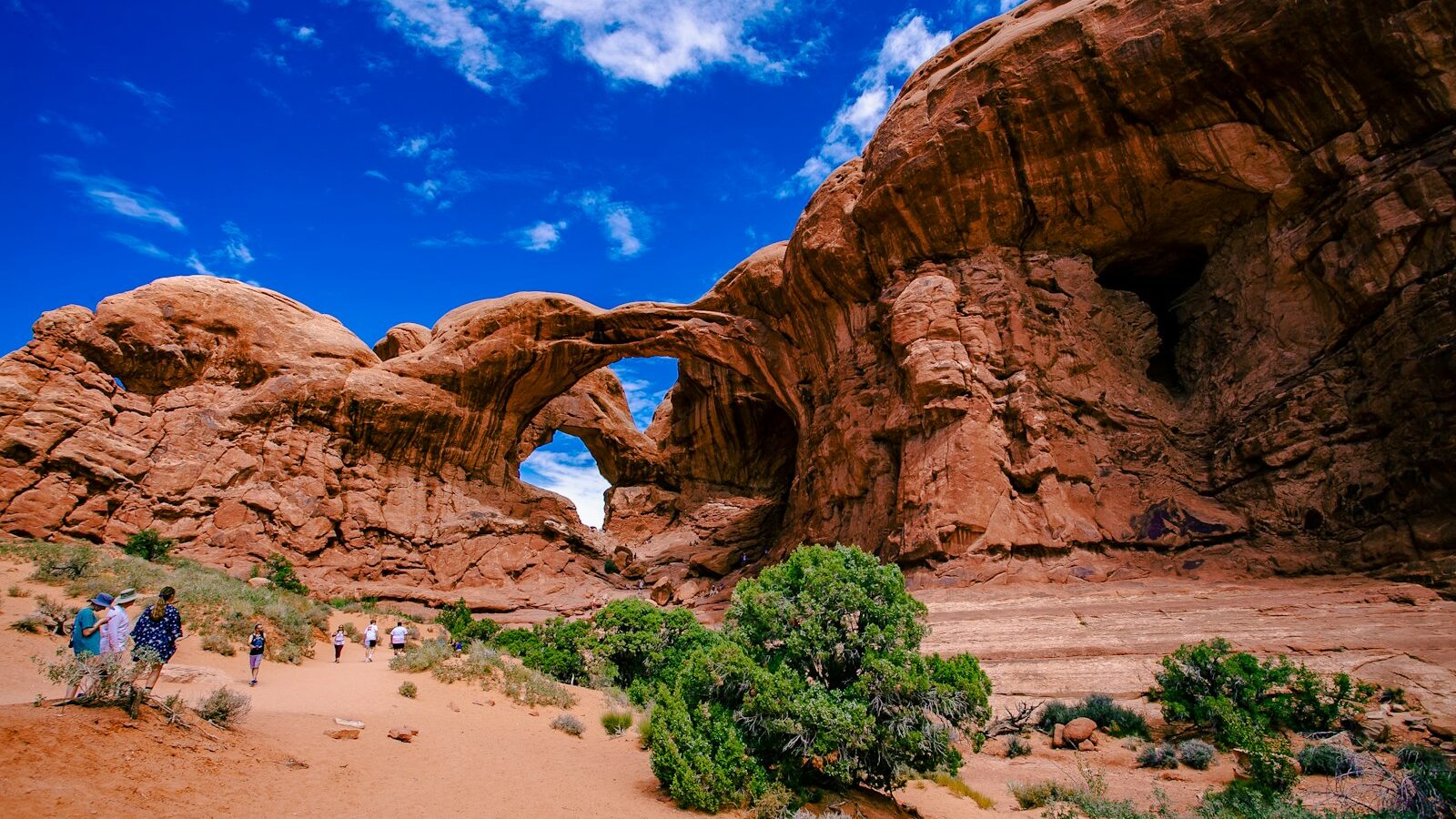
The great American national parks are a bucket-list journey for a reason. The red canyons of the Southwest, the geysers of Yellowstone, the granite walls of Yosemite and the giant sequoias of California add up to some of the most spectacular scenery on earth. For a traveller planning the US national parks from Singapore, the parks are less a single destination than a road trip strung between them, and a little planning turns a good trip into a great one.
Getting There From Singapore
There are no direct flights from Singapore to the parks themselves, and most parks sit hours from any major airport. The practical approach is to fly to a US gateway city and then pick up a rental car for a road trip. Depending on which parks you want, that gateway might be a West Coast hub for California and the Southwest, or a mountain-region city for Yellowstone and the Rockies. Flights from Singapore connect through a US or North Asian hub, so expect at least one stop and a long travel day. Once on the ground, distances are large and public transport is limited, so a self-drive is essential.
Before booking, sort out entry. A Singapore passport holder will normally need an approved ESTA or an appropriate visa to enter the United States, and these rules change, so check the latest with the US embassy and the ICA guidance before you travel. If you are weighing up the paperwork for a bigger trip, our overview of applying for US and Schengen visas from Singapore is a helpful starting point.
Because the parks pair naturally with a city stay, many travellers begin or end in a gateway city. Our guides to Los Angeles from Singapore and San Francisco from Singapore work well as bookends for a California and Southwest loop.
Renting a Car and Driving
The self-drive is the heart of the trip, so plan it properly. Americans drive on the right, distances between parks routinely run several hours, and mobile signal disappears inside many parks, so download offline maps in advance. Book your vehicle early in peak season, and read our guide to renting a car overseas from Singapore for licence, insurance and deposit details. Fill up whenever you can in remote areas, carry plenty of water, and never rely on a single navigation app in canyon country.
Best Time to Visit
Season makes an enormous difference. Summer brings long daylight and full access but also crowds, high desert heat and packed car parks, so start early each day. Late spring and early autumn are the sweet spot for many parks, with milder weather and thinner crowds. Winter closes higher roads and passes at parks such as Yellowstone and the higher reaches of the Sierra, though the desert parks of the Southwest can be pleasant and quiet in the cooler months. Always check each park’s website for current road, weather and closure information before you go.
Highlights Worth Your Time
The Southwest delivers the classic images. The Grand Canyon needs no introduction, while Zion’s soaring walls and Bryce Canyon’s hoodoos sit within easy reach of one another. Utah adds Arches and Canyonlands near Moab. Further north, Yellowstone combines geysers, hot springs and abundant wildlife with neighbouring Grand Teton’s jagged peaks. In California, Yosemite’s waterfalls and granite domes are unforgettable, and the giant trees of Sequoia and Kings Canyon are humbling. Each park has a different character, so resist the urge to cram in too many and rush past all of them.
Food, Supplies and Where to Stay
Dining inside the parks is limited and often basic, so stock up on groceries, snacks and water in gateway towns. Book lodges and campsites inside the parks well ahead, as they sell out months in advance, and consider staying in nearby gateway towns as a fallback. Carry a cooler, plan picnic lunches at scenic overlooks, and keep all food stored properly where wildlife is present.
A Sample Southwest Itinerary
A ten-day Southwest loop is a satisfying introduction. Fly into a West Coast or desert gateway, collect your car, and drive to Zion for two nights of canyon hikes. Continue to Bryce Canyon for a night, then cross to the Grand Canyon for two nights on the rim. Loop through Monument Valley and on to Moab for Arches and Canyonlands over two or three nights before returning your car and flying home. Add days rather than parks if you have the time, as the driving is part of the experience.
Permits, Safety and Practical Tips
The parks reward preparation. Popular trails, permits and timed entry systems at parks such as Yosemite, Zion and the Grand Canyon can require bookings weeks or months ahead, so read each park’s rules carefully. Heat, altitude and long distances are the real hazards here rather than crime. Carry far more water than you think you need, protect yourself from the sun, acclimatise before strenuous hikes at altitude, and never approach or feed wildlife. Follow all posted rules and ranger advice without exception. Visit a travel clinic before you go for general health advice, and take out comprehensive travel insurance that covers self-drive, hiking and remote areas. With the paperwork done and the route planned, the American parks offer a Singapore traveller a landscape unlike anything back home.