
Somewhere between a good skincare routine and a surgical facelift sits the thread lift, a treatment that promises a subtle lift with less downtime than going under the knife. It has become a popular request in Singapore’s aesthetic clinics for softening a sagging jawline, lifting cheeks or tidying up the lower face. The marketing can make it sound almost casual, like a lunchtime touch up. It is not. A thread lift is a genuine medical procedure with real risks, and it deserves the same careful thought you would give any other.
This guide walks through what thread lifts are, what they realistically can and cannot do, what recovery involves, and how to choose a qualified doctor. It is general information for readers in Singapore, not medical advice. For anything to do with your own face, see a qualified, MOH registered doctor for a proper consultation before deciding.
What a Thread Lift Actually Is
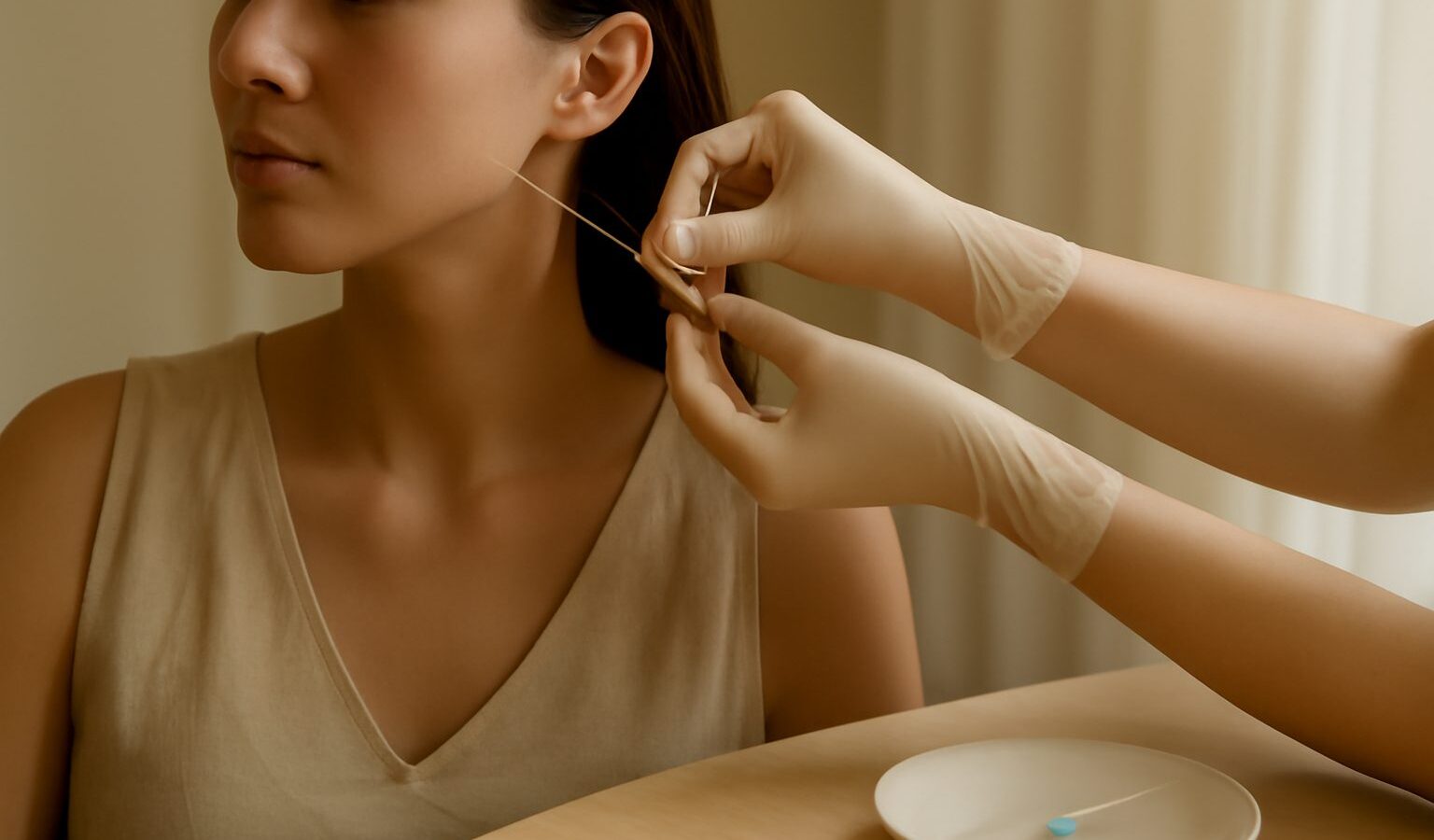
A thread lift uses fine, dissolvable surgical threads that a doctor inserts under the skin with a thin needle or cannula. Many of these threads have tiny barbs or cones along their length. Once placed, the doctor gently draws the tissue upward and the threads grip it in the new position, creating a modest lift. The threads are commonly made from materials such as PDO (polydioxanone), a suture material that the body slowly absorbs over months.
There is a second effect that clinics often mention. As the threads dissolve, they can stimulate the skin to produce more collagen along their path, which may add a little firmness over time. This is why some people are offered threads more for a gradual tightening effect than for a dramatic pull.
The key word throughout is subtle. A thread lift repositions and supports tissue that has started to descend. It does not remove excess skin or rebuild deep structure the way surgery does.
What It Can and Cannot Do
Managing expectations is where a lot of disappointment could be avoided. A thread lift tends to suit people with mild to moderate sagging who want a refreshed, slightly lifted look, not a total transformation. It can help define a softening jaw, lift the mid face a touch, or improve the angle of the neck and jowl area in the right candidate.
What it cannot do is replace a facelift. If there is significant loose skin or heavy sagging, threads may struggle to hold, and the result can look uneven or fade quickly. Results are also temporary. Because the threads dissolve, the lift gradually relaxes, often within a year or two, though this varies a great deal between individuals.
Thread lifts also do not address skin tone, sun spots or surface texture. Those are separate concerns, and treatments like an IPL photofacial target colour and clarity rather than lift. A doctor may discuss combining approaches, but each carries its own risks and should be assessed on its own.
Thread Lift vs Surgical Facelift: A Quick Comparison
It helps to see where a thread lift sits relative to surgery. This table lays out the trade offs in plain terms so you can weigh them at your consultation.
| Feature | Thread lift | Surgical facelift |
|---|---|---|
| How it works | Dissolvable threads lift and support tissue | Skin and deeper layers repositioned, excess removed |
| Best suited to | Mild to moderate sagging, subtle result | Significant sagging, longer lasting change |
| Anaesthesia | Usually local | General or heavy sedation, done by a surgeon |
| Downtime | Days of swelling and tenderness, some restrictions | Weeks of recovery |
| How long it lasts | Temporary, often a year or two | Years, though ageing continues |
Neither option is simply better. A thread lift is less invasive but more modest and shorter lived, while surgery is a bigger commitment with a bigger, longer result. The right answer depends on your face, your goals and an honest medical opinion.
What the Procedure and Recovery Involve
On the day, the doctor cleans and numbs the area with local anaesthetic, then inserts the threads through small entry points and adjusts the lift. The appointment itself is often relatively quick, but that speed should never make it feel trivial.
Afterwards, expect some swelling, bruising, tenderness and a tight or slightly pulled sensation for several days. You may see or feel small puckers or dimples where the threads sit, which usually settle as things relax. Recovery is generally shorter than surgery, but it is not nothing.
Typical aftercare advice includes:
- Sleep on your back with your head elevated for the first nights to limit swelling.
- Avoid wide mouth movements, heavy chewing, facial massage and dental work for a couple of weeks.
- Skip strenuous exercise, saunas and anything that raises facial pressure or heat for a while.
- Keep entry points clean and follow your doctor’s instructions to lower infection risk.
- Be gentle with the face and avoid pressing or rubbing the treated areas.
In Singapore’s heat, sweat and the temptation of a hot workout can work against early healing, so give yourself a genuine buffer before returning to intense activity. Always follow the specific guidance your own doctor provides.
Choosing a Safe Doctor in Singapore
A thread lift places foreign material under your skin and reshapes living tissue, so who performs it matters enormously. In Singapore, this should be done only by a qualified, MOH registered doctor with proper training in the technique, working in a licensed clinic. Be extremely cautious of unusually cheap deals, unregulated operators or anyone offering threads outside a proper medical setting. Poorly placed threads can cause visible dimpling, asymmetry, migration and infection, and correcting problems is harder than doing it right the first time.
Sensible questions before you agree:
- Are you an MOH registered doctor, and how experienced are you specifically with thread lifts?
- Am I actually a good candidate, or would something else suit me better?
- What threads will you use, and what result is realistic for my face?
- What are the risks, and how do you handle complications if they arise?
- What happens as the threads dissolve, and what will maintenance involve and cost?
A trustworthy doctor will assess whether you even need the treatment, may tell you that you are not a suitable candidate, and will never pressure you into a same day decision.
Risks and Who Should Wait
Thread lifts carry real risks, including bruising, swelling, infection, visible or palpable threads, dimpling, puckering, asymmetry, thread migration and the threads becoming visible or extruding. Some people react to the material, and there is always the chance the result is subtler or shorter lived than hoped. Most issues are manageable when a skilled doctor is involved, which is precisely why the choice of practitioner is so important.
Certain people should avoid or delay treatment. If you have an active skin infection, certain health conditions, or a tendency to keloid scarring, raise it early. If you are pregnant or breastfeeding, tell your doctor and expect to be advised to wait, as elective aesthetic procedures are generally postponed during this time. Never claim a thread lift treats any medical condition, because it does not. It is a cosmetic procedure.
A thread lift can be a reasonable option for the right person seeking a subtle, temporary lift, but it is a medical decision, not an impulse buy. Start with a proper consultation, be honest about your expectations, choose a qualified doctor over a cheap promotion, and let sound medical advice guide whether it is right for you at all.