
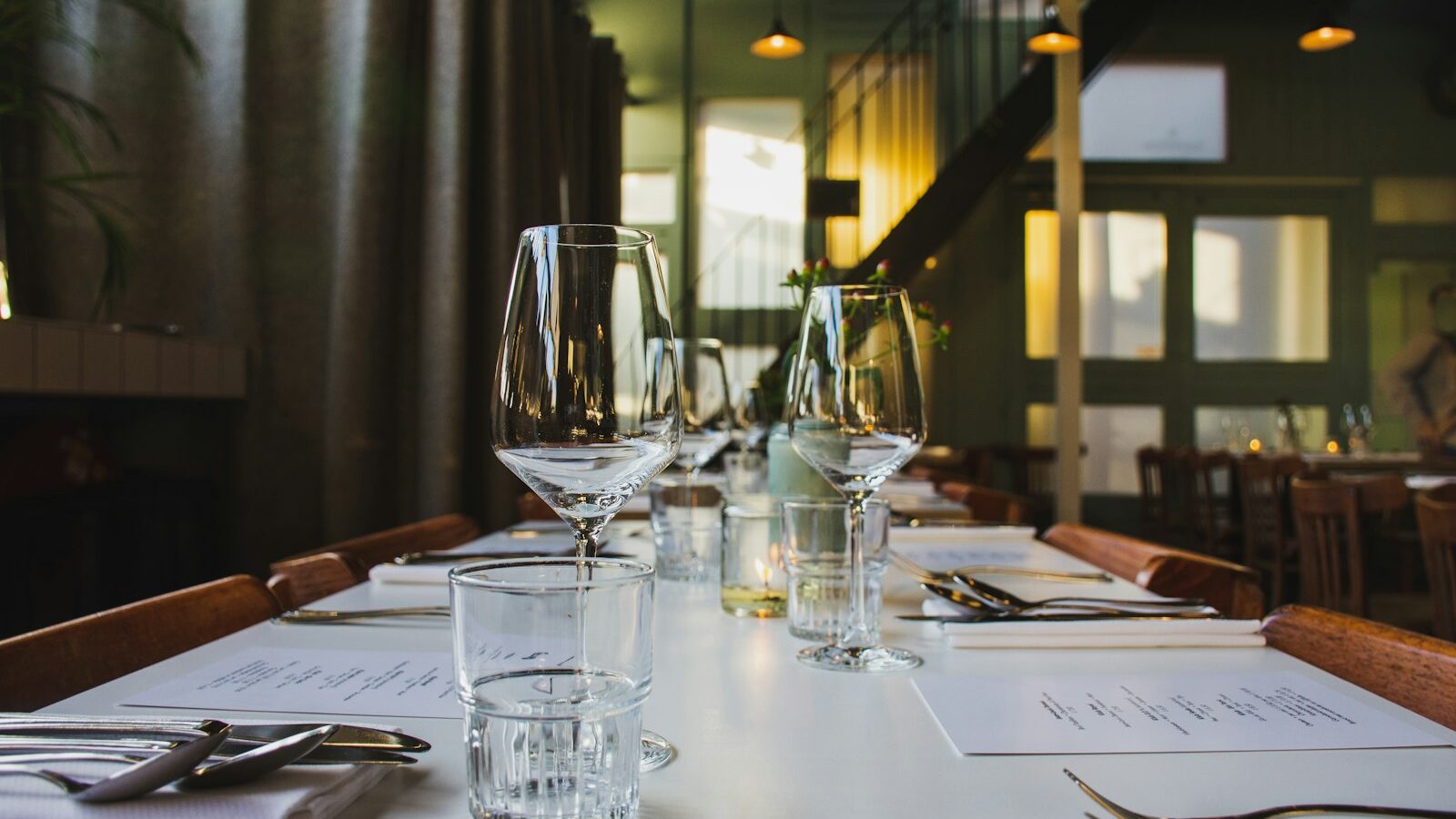
If you have just arrived, one small thing can quietly stress you out at the end of a meal: do you leave a tip, and why is the bill bigger than the menu said? The short answer is that tipping in Singapore is generally not expected, and the extra you see usually comes from a service charge and tax rather than a gratuity. Once you understand how the numbers stack up, eating out and getting around here becomes refreshingly simple. This guide walks you through service charge, GST, the mysterious “++” on menus, and the few places where a small gesture is genuinely appreciated.
Do you tip in Singapore?
For most everyday situations, no. Restaurants, cafes, bars, hawker centres and food courts do not rely on tips, and staff are not counting on them to make up their wages. If you leave nothing beyond what is printed on the bill, that is completely normal and nobody will think you are rude.
This surprises many newcomers, especially those arriving from cultures where a 15% to 20% tip is a social obligation. Here, the logic is different: many sit-down venues already add a service charge, so an extra tip on top is not the norm. You are welcome to round up or leave a little if the service genuinely delighted you, but it is a bonus, not a duty.
Rule of thumb: in Singapore, a tip is a small thank-you, never an expectation. When in doubt, the printed bill is all you owe.
Service charge in Singapore, GST and the “++”
Here is where the extra numbers come from. Many restaurants, hotels and bars add two things to the price shown on the menu:
- Service charge: commonly 10% at full-service venues. This is added by the business and shared according to its own policy. Think of it as a built-in service fee rather than a personal tip you decide on.
- GST (Goods and Services Tax): a broad consumption tax the government applies to most goods and services. It is charged on top of the price and, at eligible venues, on top of the service charge too.
On menus you will often see prices followed by “++” (spoken as “plus plus”). Those two plus signs are shorthand for “service charge and GST will be added.” A dish listed at, say, $20++ will cost more than $20 once both are applied. If a menu shows one plus sign, it usually signals one of the two additions; the safest habit is to assume “++” means both and check the fine print at the bottom of the menu.
How the final bill is calculated
The order matters, because GST is usually applied after the service charge. Using round, illustrative numbers to keep it simple:
- Start with the menu price, for example $100.
- Add 10% service charge, which brings it to $110.
- Add GST on that $110. If GST were 9%, that is about $9.90, giving a final bill of roughly $119.90.
So a “$100++” meal lands near $120 once everything is added. The exact figure depends on the current GST rate and whether the venue charges service. Treat these numbers as an example only, not a quote.
Please note: the GST rate can and does change over time, so do not assume any single percentage is current. Always verify the prevailing GST in Singapore with the official source, the Inland Revenue Authority of Singapore (IRAS), or simply read the venue’s menu, which must state its rate.
What “nett” means
You will also spot the word “nett” on menus, price lists and promotions. “Nett” is the opposite of “++”: it means the price already includes any service charge and GST, so what you see is what you pay. No surprises are added at the till.
This is why “nett” prices are worth looking for when you are budgeting. A dish at “$15 nett” is genuinely $15, whereas “$15++” will climb higher once the additions are applied. Hawker centres, food courts and many casual eateries price things nett by default, which is part of why eating well here can be so affordable.
Where a small tip is still welcome
While tipping is uncommon overall, there are a few settings where a modest gesture is appreciated, never demanded:
- Hotels: a small note for a porter who carries your bags, or for housekeeping, is a kind touch, though far from obligatory.
- Tours and private guides: if a guide has made your day special, rounding up or offering a little extra is a warm way to say thanks.
- Personal services: the occasional spa, salon or delivery experience where someone has gone clearly above and beyond.
Even in these cases, keep it low-key. A few dollars is plenty. This is a place where genuine thanks matters more than a large sum, and no one is keeping score.
Taxis, ride-hailing and rounding
For getting around, tipping is not expected either.
- Taxis: many people simply round the fare up to the nearest dollar and tell the driver to keep the change, mostly for convenience rather than as a tip. Leaving the exact metered fare is perfectly fine.
- Ride-hailing apps: the fare is agreed upfront in the app, and payment is usually cashless. Some apps offer an optional in-app tip, but there is no obligation to add one. Skipping it is completely normal.
The theme across all of this is comfort: you are never in a position where you have to calculate a socially required tip on the spot.
Quick tips for newcomers
- Tipping is optional and uncommon. The printed bill is what you owe.
- “++” means “plus plus”: service charge plus GST will be added on top.
- “Nett” means all-in: the price shown is the price you pay.
- Service charge is not a tip: it is added by the venue, commonly around 10%.
- GST is a government tax applied to most goods and services; the rate can change, so verify the current figure with IRAS.
- Round up if you like, especially for taxis, hotel staff and guides, but only if you want to.
- Hawker food is usually nett, which makes casual eating simple and cheap.
Once you have these few ideas straight, the “why is my bill higher?” moment disappears. You will read menus with confidence, know exactly what you are paying, and tip only when you truly want to, which is exactly how it is meant to feel here.
Explore more: The real cost of living in Singapore and Your moving to Singapore checklist