
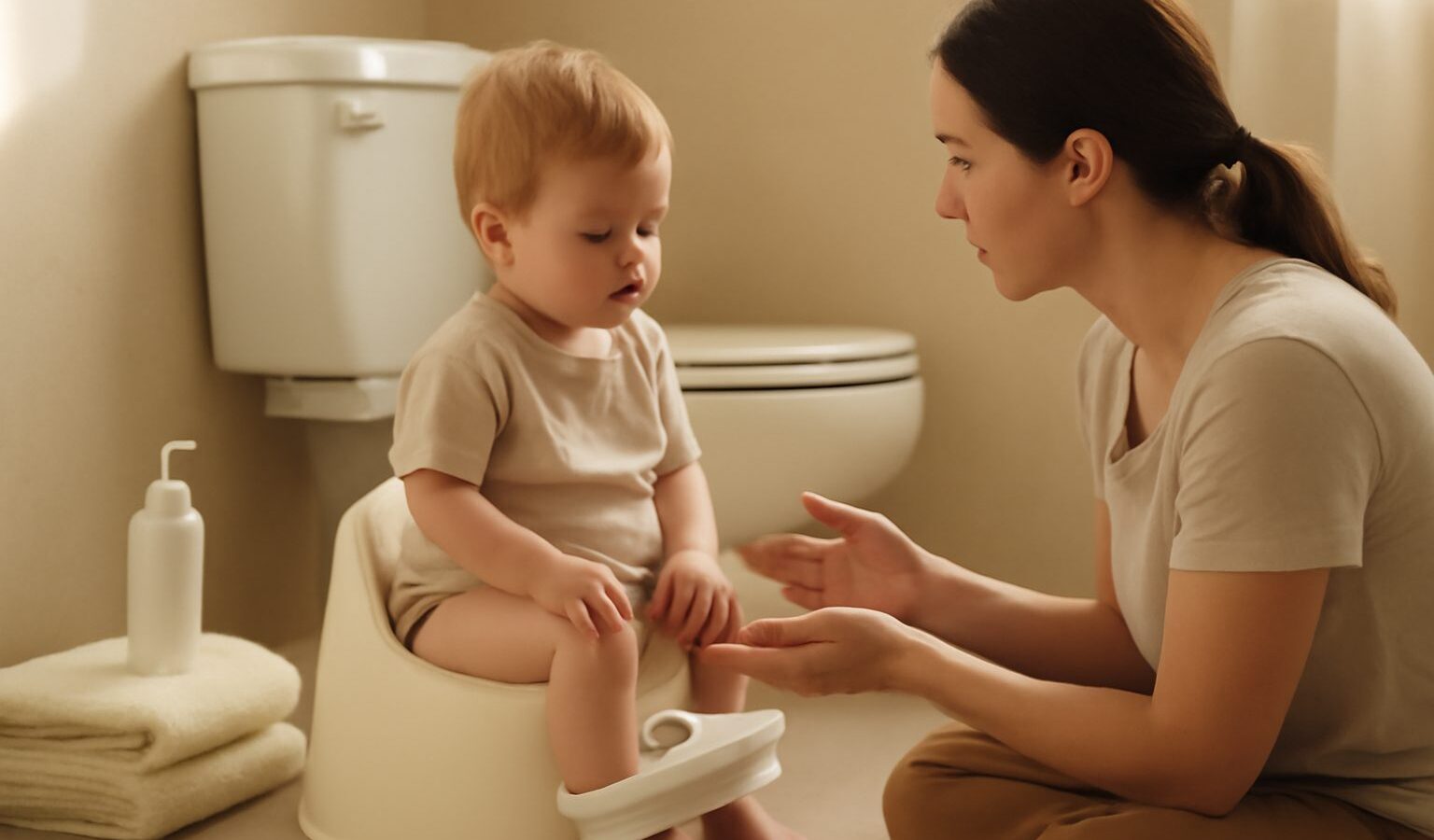
There is no parenting milestone quite as prone to pressure as the potty. A well-meaning relative asks if your little one is “out of nappies yet”, a preschool place seems to hinge on it, and suddenly a normal part of growing up feels like a test you might fail. Take a breath. Toilet training your toddler is not a race, and it is not a reflection of your parenting. It is a skill your child grows into, and the calmer and less rushed you can be, the smoother it usually goes.
Every child gets there in the end, and almost none do it in a straight line. This general guide walks through how to read your toddler’s readiness, set up your HDB home for success, and handle the inevitable puddles without anyone melting down.
Knowing When Your Toddler Is Ready
The single biggest predictor of a calm experience is starting when your child is genuinely ready, rather than when the calendar or a neighbour suggests. Readiness is about development, not age, and it shows up in the body, the mind and the emotions together. Children commonly show these signs somewhere in the toddler years, but the range is wide and completely normal.
Look for a cluster of these signs rather than a single one:
- Staying dry for longer stretches, which suggests the bladder can hold on.
- Showing awareness of a wee or poo, perhaps going quiet, hiding, or telling you after the event.
- Taking an interest in the toilet, in your bathroom habits, or in wearing “big kid” underwear.
- Being able to follow simple instructions and to pull trousers up and down with a little help.
- Being able to sit still on a potty for a short while.
If most of these are in place, it is a good moment to begin. If only one or two are, there is no harm in waiting a few more weeks. Pushing before a child is ready tends to drag the process out and create tension, not shorten it.
Getting Set Up at Home
A little preparation makes the early days easier, and none of it needs to be expensive. In a flat with one bathroom, a portable potty in a convenient spot can save many dashes down the corridor. Let your child help choose it, along with a few pairs of underwear, so they feel some ownership of the whole adventure.
Have these ready before you start:
- A potty, or a child seat and a step stool if your toddler prefers the grown-up toilet.
- Several changes of clothes and plenty of underwear, because there will be accidents.
- Easy clothing with elastic waists that little hands can manage alone.
- A relaxed plan for a few days at home, ideally when family life is settled rather than in the middle of a move, a new sibling or a holiday.
Warm weather is a quiet advantage here, as it is easy to let a toddler potter about the house bare-bottomed at home, which helps them make the connection between the feeling and the result. Tell your helper or grandparents what you are doing so everyone offers the same calm, consistent message.
The First Days: Keeping It Low Pressure
Once you begin, offer regular, unhurried trips to the potty, such as after waking, after meals and before heading out. Keep the mood light and matter of fact. Sit with your child, read a short book, and never force them to stay if they are not producing anything. Praise the effort of trying and sitting, not just the result, so the potty does not become a place they have to perform.
Simple, specific encouragement works well: “You sat on the potty, well done.” Avoid heaping on pressure, and steer clear of asking “do you need to wee” every ten minutes, which quickly becomes nagging. Some families like a small sticker chart, which is fine, but your warm attention is the reward that matters most. If your toddler resists strongly for several days and the whole house is tense, it is perfectly sensible to pause, go back to nappies for a few weeks, and try again later. A pause is not a failure.
Readiness Signs vs Signs to Wait a While
It helps to hold your plan loosely and let your child’s cues guide the timing. The table below contrasts signals that suggest you can begin with signals that suggest a short wait might serve everyone better.
| What you notice | May suggest | Sensible response |
|---|---|---|
| Dry for longer, curious about the toilet, can follow simple steps | Your toddler is ready to start | Begin gently, with plenty of relaxed potty trips |
| Occasional interest but frequent strong refusal | Not quite ready yet | Wait a few weeks, then reintroduce without pressure |
| Big change at home, such as a new baby or a move | Timing is against you | Postpone until family life feels settled again |
| Progress then a sudden run of accidents | A normal blip, illness or a growth phase | Stay calm, keep routines steady, avoid punishing |
Use it as a rough compass, not a rulebook, and remember that your own read of your child beats any chart.
Handling Accidents Without Shame
Accidents are not setbacks. They are how a toddler learns, and they will happen for weeks or even months. The most useful thing you can do is keep your own reaction flat and kind. A simple “oops, wee goes in the potty, let us get you dry” teaches far more than frustration ever could. Shame, scolding or big sighs tend to make a child anxious, and an anxious child holds on, which can lead to constipation and more accidents.
Keep spare clothes in your bag when you are out, know where the family toilets are at the mall, and treat a puddle at grandma’s house as no big deal. Consistency and warmth, repeated patiently, are what carry a child over the line.
Naps, Nights and Being Out and About
Daytime dryness usually comes first, and staying dry through naps and nights often follows much later, sometimes by a good while. This is down to biology, not effort, as a child’s body needs to mature enough to hold on or wake up when the bladder is full. It is completely normal to use a nappy or pull-up for sleep long after your toddler is confident in the day, so there is no need to rush this part or compare notes with other families.
When you are out and about, keep trips low key. Point out toilets before your child is desperate, pack a change of clothes, and let small mishaps roll off you. Settling into a new routine at preschool can also ruffle progress for a while, and our guide to preparing your toddler to start preschool may help you smooth that transition. A wobble during any big change is expected, as we explain in helping your child cope with change.
When to Check In With a Doctor
Toilet training is rarely a medical matter, but a few situations are worth raising with your GP, polyclinic or paediatrician. Speak to a doctor if your child has pain or straining when passing urine or stools, ongoing constipation, blood in the urine, or a sudden return to frequent daytime accidents after being reliably dry, as this can occasionally point to a urinary infection or another treatable cause. It is also fine to seek advice simply because you feel stuck, worried or exhausted by the whole thing, or if your child is significantly older and showing distress around toileting.
Above all, keep the long view. The nappies will not last forever, the puddles will fade into funny stories, and your calm, patient presence is the thing your toddler will remember. Trust your child’s pace, trust yourself, and let this be one more thing you grow through together.
This article offers general information only and is not medical advice. For concerns about your child’s health or development, please consult your own doctor, paediatrician or a qualified professional, and refer to HealthHub, KKH and NUH.
Related across Sky Media: Toilet Training a Puppy: A Practical Guide for Singapore Homes