
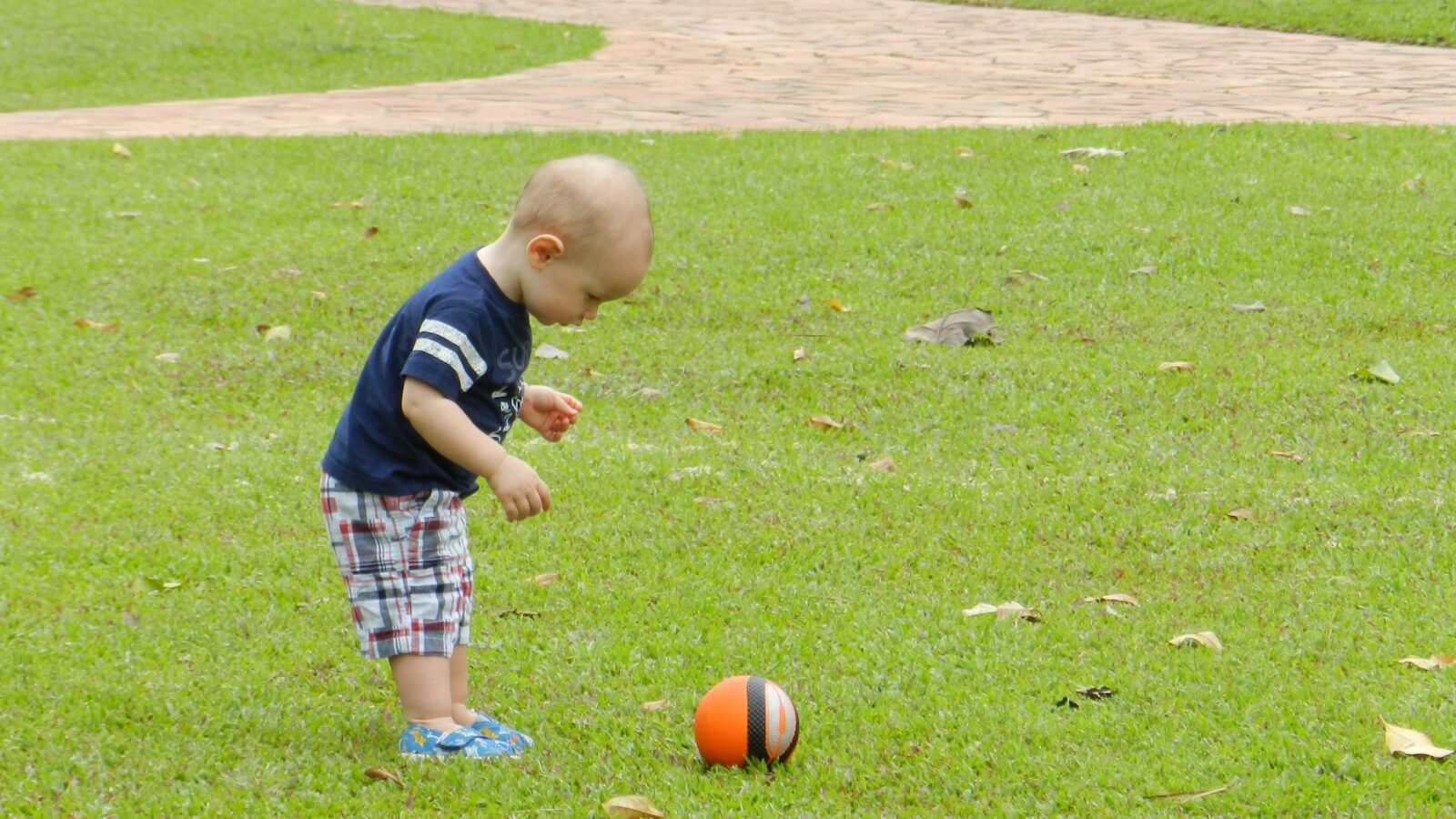
The first day your toddler is due to start preschool can stir up a surprising mix of feelings, and not only for the child. Pride, worry, relief, a lump in the throat at the gate: most Singapore parents feel some of it. The reassuring truth is that toddlers are far more adaptable than we fear, and a little gentle preparation in the weeks before makes the transition smoother for everyone. This is general guidance for families, not medical or psychological advice, so do check with your child’s doctor or the preschool’s educators about anything specific to your little one.
Whether you are sending your child to an ECDA-registered childcare centre, a kindergarten or a smaller playgroup, the goal is the same: to help your toddler feel safe, capable and curious about this new world.
Getting Ready in the Weeks Before
You do not need to drill your toddler or turn home into a classroom. Preschool readiness is mostly about small, everyday habits that build confidence.
- Talk it up warmly. Mention preschool in a positive, matter-of-fact way. Describe the fun bits, such as painting, songs, outdoor play and new friends, without overselling or making promises you cannot keep.
- Read stories about it. Borrow picture books about starting school from the library. Seeing a character wave goodbye and have a good day helps your toddler rehearse the idea.
- Practise short separations. Leave your child with grandparents, a trusted friend or your helper for an hour or two, always saying a clear goodbye and coming back when you said you would. This builds trust that you always return.
- Visit if you can. Many centres offer an orientation or a look around. Walking past the gate, pointing out the playground and meeting a teacher makes the place familiar.
- Build small independence skills. Preschool is easier when a child can manage a few things themselves. Our guide to helping your child build independence has gentle ideas that fit naturally into daily life.
Keep it light. A relaxed parent is the best preparation of all, because toddlers read our mood far more than our words.
Practical Skills That Help
Centres do not expect a fully self-sufficient toddler, and good educators will support your child. Still, a few practical skills make those first weeks less overwhelming for a small person.
- Toilet awareness. Many centres prefer children out of nappies for certain classes, though policies vary. If you are working on this, our guide to toilet training your toddler may help, at your child’s own pace.
- Eating and drinking. Practise using a spoon, drinking from a cup or water bottle, and eating a range of foods, including simple hawker and home meals they will recognise.
- Simple self-care. Washing hands, putting on shoes with Velcro, and carrying a small bag give a toddler a sense of capability.
- Naming needs. Encourage your child to say or signal when they are hungry, tired or need the toilet, in whatever language they use at home.
Go gently. These are skills to grow over time, not tests to pass before day one. Progress will be uneven, and that is entirely normal.
Handling Goodbyes and Separation Wobbles
Separation anxiety is a normal, healthy sign of the strong bond you have built, not a problem to be ashamed of. Some children walk in without a backward glance; others cry at every drop-off for weeks. Both are within the range of normal.
A few approaches tend to help:
- Keep a short, warm goodbye ritual. A hug, a phrase such as “I always come back”, and a confident wave. Long, tearful lingering usually makes it harder.
- Never sneak off. Slipping away while your child is distracted can shake their trust and make the next drop-off worse. A clear goodbye, even a tearful one, is kinder.
- Trust the teachers. Most tears settle within minutes of you leaving. It is fine to phone the centre later to check how your child has settled.
- Stay calm yourself. If your own nerves are running high, that is understandable. Managing your feelings at the gate helps your toddler borrow your calm.
The table below sets out some common first-weeks moments and gentle ways to respond.
| Common moment | What it often means | A calm response |
|---|---|---|
| Crying at drop-off | Missing you, adjusting to change | Short goodbye, reassure, trust staff to soothe |
| Clingy or teary at home in the evening | Tired and processing a big new world | Extra cuddles, early nights, keep routines steady |
| Regression, such as toileting slips | Normal response to a big change | Stay patient and low key; avoid making a fuss |
| Reluctance after a bright start | The novelty has worn off | Keep going consistently; talk to the teacher |
If your child shows persistent, intense distress that does not ease over several weeks, or that worries you, talk to the educators and, if needed, your doctor. Our guide to managing your child’s anxiety offers general, reassuring context, and a professional can advise on your particular situation.
Settling In and Beyond
Starting preschool is a big change layered on top of your toddler’s small world, so expect a few weeks of adjustment. Our guide to helping your child cope with change explains why steadiness at home helps so much when one part of life is shifting.
To support the settling-in period:
- Protect sleep and routines. A well-rested toddler copes far better. Keep bedtimes, meals and the morning rhythm as predictable as you can, even when the days feel busy.
- Allow downtime. Preschool is stimulating, and many children come home tired and fractious. Quiet, screen-free play in the evening lets them decompress.
- Connect with the centre. Read the daily updates, chat with the teachers at pick-up, and share anything happening at home, such as a new sibling or a house move, that might affect your child.
- Celebrate small wins. A painting brought home, a new friend’s name, a dry day. Noticing these tells your toddler that this new place is theirs.
Some children take to preschool within days; others need a full term to feel at home. Both are fine. Avoid comparing your child to the one who skipped in smiling, and resist the urge to pile on extra classes at the same time. One big change at a time is plenty for a toddler.
Above all, be kind to yourself. Watching your little one start preschool is an emotional milestone for parents too, and mixed feelings are part of it. With a warm goodbye, steady routines and a bit of patience, most toddlers settle well, and you will soon be hearing about their day in delighted, half-finished sentences. For anything specific to your child’s health, development or wellbeing, please speak to your paediatrician, the centre’s educators or a qualified professional. This article is general guidance only.