
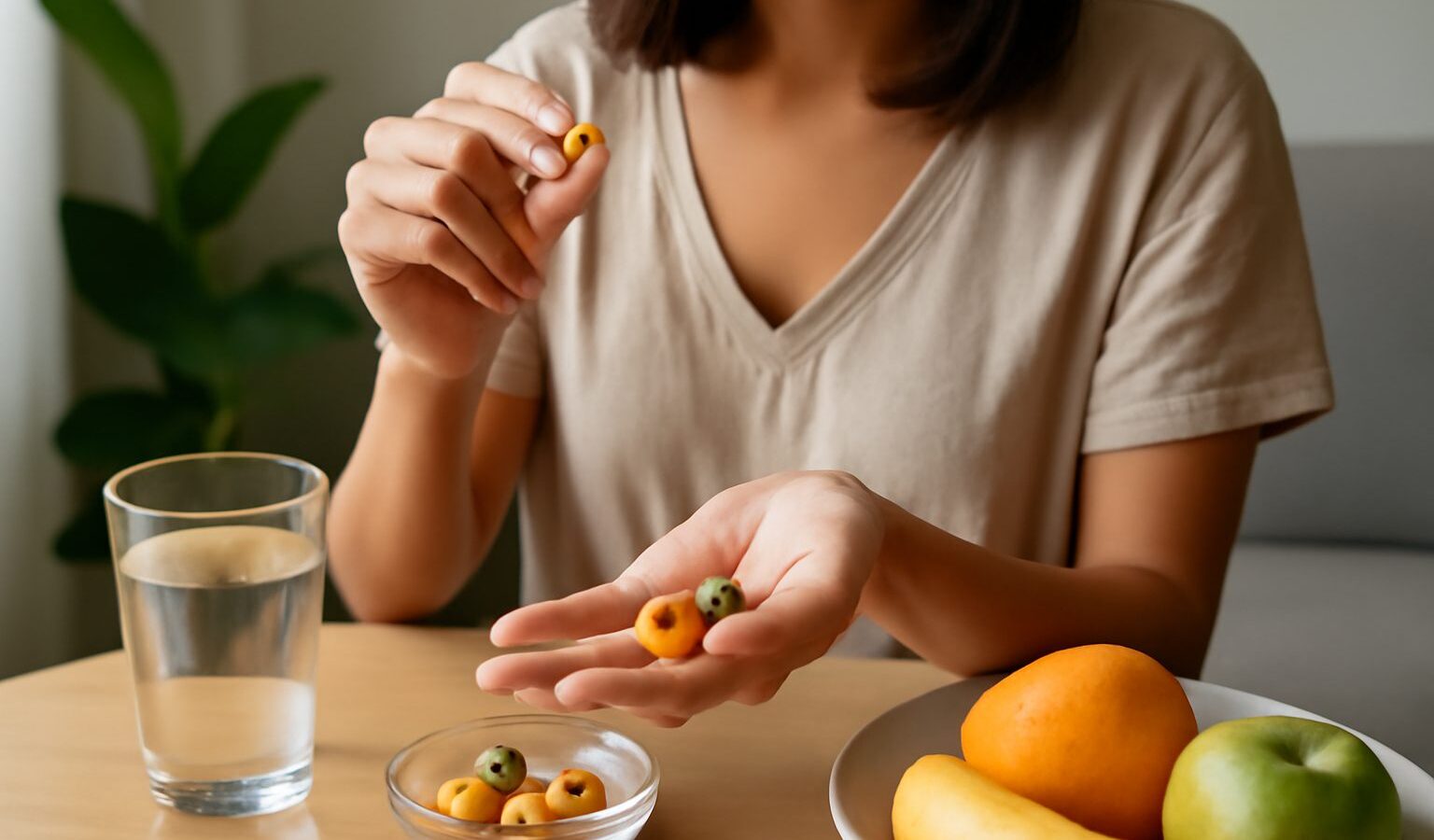
Walk into any pharmacy here and the shelves can feel overwhelming: multivitamins, fish oil, collagen, probiotics, immunity boosters, and a hundred colourful promises. It is easy to feel that everyone else is taking something and you are falling behind. This calm, practical guide to vitamins and supplements in Singapore aims to cut through the noise so you can decide sensibly. It is general information, not medical advice, and it is not a recommendation to take or avoid any particular product. When in doubt, the person to ask is your doctor or pharmacist, not the packaging.
What supplements are, and what they are not
A supplement is meant to add to your diet, not replace real food. Vitamins and minerals do important jobs in the body, but for most healthy people eating a reasonably varied diet, the bulk of what you need comes from meals, not capsules. A plate with vegetables, fruit, wholegrains, protein, and some dairy or alternatives already delivers a wide range of nutrients.
Supplements can help fill a genuine gap, but they cannot undo an unbalanced diet, and they are not a shortcut to health. If a product promises to detox your body, melt fat, cure a disease, or work like magic, treat that as a warning sign rather than a selling point. No honest supplement makes those claims.
Who might genuinely benefit
There are real situations where a specific supplement is helpful, but these are best confirmed with a professional rather than assumed. Common examples that come up in Singapore include:
- People with a diagnosed deficiency, picked up through symptoms and confirmed by a doctor.
- Pregnant women or those planning pregnancy, who are often advised certain nutrients before and during pregnancy.
- Some older adults, vegetarians and vegans, or people who eat very little variety, who may miss certain nutrients.
- People with medical conditions or after certain surgeries that affect how they absorb nutrients.
Notice the pattern: each case involves a real, identified reason. Vitamin D sometimes surprises people because we live in a sunny country, yet many of us spend our days indoors in air-conditioning; even so, whether you actually need a supplement is something a doctor should assess rather than something to guess. The takeaway is not to rush out and buy, but to get advice suited to you.
Groups who should talk to a doctor first
Some people should be especially careful and seek medical guidance before starting anything. This is important, so please do not skip it.
- Pregnant or breastfeeding women. Some ingredients are not suitable, and doses matter.
- Children and older adults. Needs and risks differ from those of a healthy young adult.
- Anyone on medication. Supplements can interact with medicines, sometimes making them stronger or weaker. Fish oil, certain vitamins, and herbal products are common culprits.
- People with chronic conditions such as kidney, liver, or heart problems.
- Anyone facing surgery, as some supplements affect bleeding and should be paused in advance.
If you fall into any of these groups, bring a full list of everything you take, including traditional or herbal remedies, to your doctor or pharmacist so nothing clashes.
Shopping smart and staying safe
Singapore has sensible rules, and you can use them to protect yourself. Health supplements sold here are regulated, and the Health Sciences Authority (HSA) publishes safety alerts about products found to contain hidden or banned ingredients, especially in weight-loss, sexual-health, and pain products bought online or overseas. Before you buy something unfamiliar, it is worth checking HSA for warnings.
A few habits that keep you on the safer side:
- Be wary of anything promising dramatic results, particularly for weight loss, energy, or performance.
- Avoid unlabelled or vaguely labelled products, or ones with claims that sound too good to be true.
- Stick to reputable sellers and be cautious with random online marketplaces and holiday buys.
- Do not exceed the stated dose. More is not better, and some vitamins and minerals are harmful in excess.
- Store them properly in our heat and humidity, and mind expiry dates.
If you ever feel unwell after starting a product, stop and seek medical help, and consider reporting it so others are protected.
Food first: getting nutrients the everyday way
Before reaching for a bottle, it is worth remembering how much our local food already offers. You can cover a lot of ground with familiar dishes.
- Leafy greens, from kai lan to spinach, in your economy rice or stir-fries.
- Fruit as a snack, whether it is a cut fruit packet or whatever is in season.
- Fish, eggs, tofu, beans, and dhal for protein and minerals.
- Wholegrains such as brown rice or wholemeal options where they suit you.
- Some sun exposure in safe, non-peak hours, balanced with sensible sun protection.
Eating this way tends to be cheaper than a cupboard full of supplements and comes with fibre and other benefits capsules cannot copy. For current national guidance on nutrients and healthy eating, HealthHub and HPB are reliable, local, and free.
Supplement myths versus the calmer reality
| What people often believe | A more grounded view |
|---|---|
| Everyone should take a daily multivitamin | Many well-fed adults do not need one; it depends on your diet and health |
| Natural means completely safe | Natural products can still interact with medicines and cause harm |
| More vitamins mean more health | Excess of some vitamins and minerals can be harmful |
| Supplements can replace poor eating | They add to a diet; they cannot fix an unbalanced one |
| Online reviews prove it works | Marketing and reviews are not the same as evidence or safety |
When to see a doctor or pharmacist
See a doctor if you have symptoms you think might point to a deficiency, such as persistent tiredness, rather than self-prescribing, because those symptoms have many possible causes. Speak to a doctor or pharmacist before starting a supplement if you are pregnant, on medication, managing a chronic condition, or buying something for a child or older relative. And seek prompt medical attention if you feel unwell after taking any product.
The simplest message is a reassuring one. You probably do not need most of what is on those shelves. Eat well, get advice that fits your body, check HSA for safety alerts, and let a professional guide the few decisions that genuinely matter. That is far more powerful than any bottle promising the world.
Explore more
To keep building healthy everyday habits, read our guide to understanding probiotics and gut bacteria, and see how much protein you really need. If clever marketing has you second-guessing your diet, the truth about fad diets is a useful companion piece.