
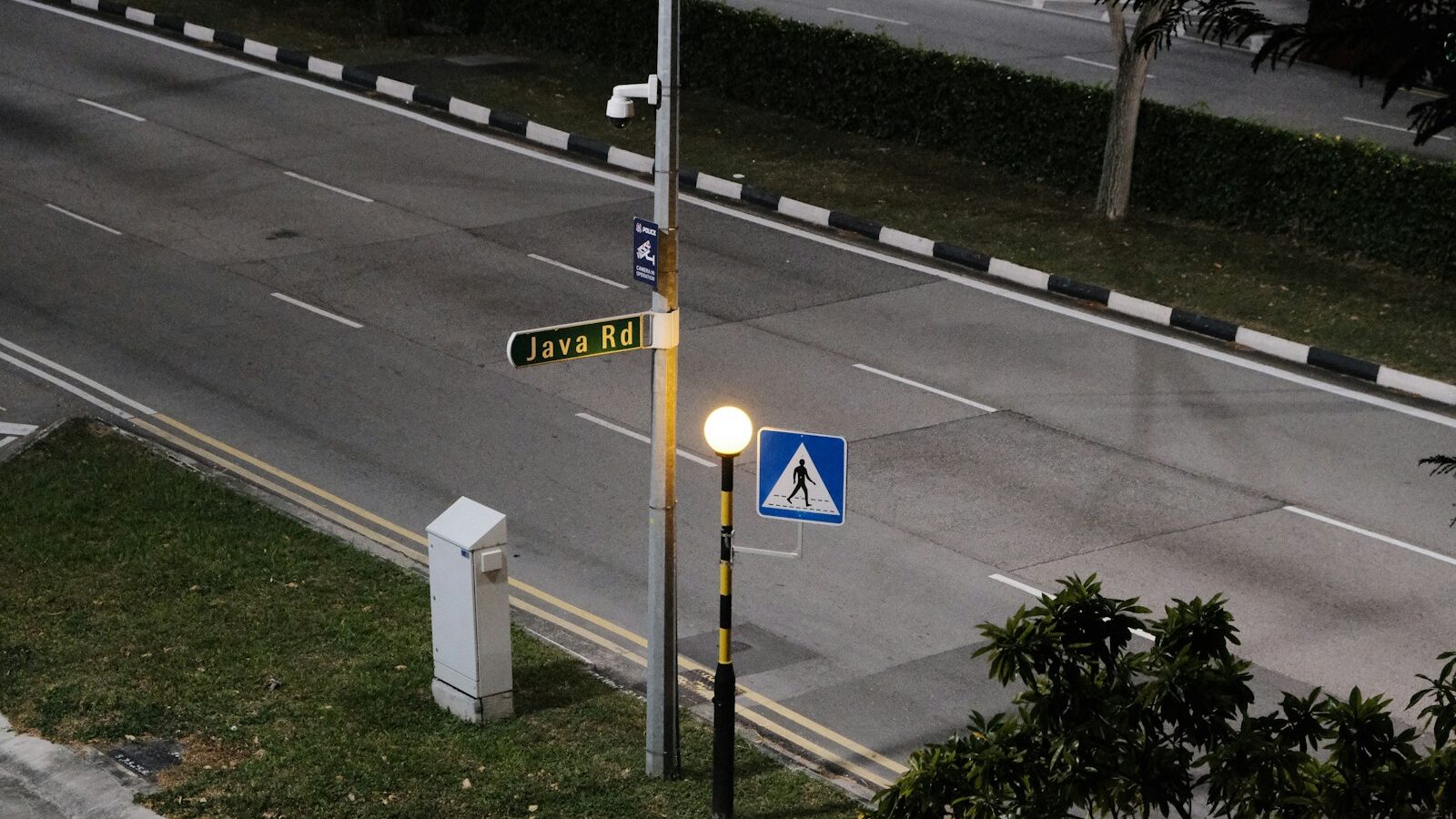
Getting comfortable with road signs and markings is one of the quietest wins in a new driver’s first year. The signs and lines around you are a constant, silent conversation with the road, telling you what is coming, what is allowed, and where you belong. Once you learn to read that language fluently, driving in Singapore feels less like reacting to surprises and more like following a well-signposted path. This guide walks through the main families of signs, what the painted markings ask of you, and how to build the habit of reading well ahead so decisions arrive early and unhurried.
None of this replaces the official material. The Highway Code and the Traffic Police remain the authorities on what each sign and marking means, and your driving instructor is the person who will help you apply it on real roads. Treat this as a friendly refresher that connects the theory you revised to the roads you drive every day.
Why Reading the Road Well Matters
Signs and markings exist to give every driver the same information at the same moment, so the flow of traffic stays predictable. When you read them early, you buy yourself time. A warning sign spotted a few seconds sooner means you can ease off, check your mirrors, and position the car without any drama. A driver who only notices the sign as they pass it is always a step behind, braking late and changing lanes in a rush.
Reading the road is also about courtesy. When you signal in good time because you saw the lane markings guiding you into a filter lane, the drivers around you can plan too. Good sign reading is not just self-protection; it is part of being a calm, considerate presence in traffic. The more you practise scanning far ahead, the more natural it becomes, until you barely notice you are doing it.
The Main Families of Road Signs
Singapore road signs fall into a few broad groups, and knowing the group tells you how urgently to respond. The three you meet most often are warning signs, regulatory signs, and information or direction signs. Each has a visual style that helps you recognise it before you can even read the words.
Warning signs alert you to something ahead that needs care, such as a bend, a merge, a school zone, or a change in the road surface. They are usually shaped and coloured to catch the eye, and the right response is to slow a little and stay alert rather than to act instantly. Regulatory signs tell you what you must or must not do, such as speed limits, no entry, no right turn, or keep left. These carry the force of law, so obeying them is not optional. Information and direction signs help you navigate, pointing towards expressways, town centres, carparks, and lanes, and they reward a driver who reads them early enough to choose the correct lane calmly.
Because the exact meaning of any specific sign can be nuanced, always defer to the Highway Code for the definitive description. The point here is the mental sorting: is this sign warning me, instructing me, or guiding me? That quick classification shapes how you respond.
Road Markings and What They Ask of You
The lines painted on the road are just as important as the signs on their poles, and new drivers sometimes underrate them. Markings work quietly underfoot, defining lanes, telling you where you may cross, and reserving space for turning or stopping. Learning to read them keeps you in the right position without constant guessing.
Longitudinal lines, the ones that run along your direction of travel, separate lanes and tell you about overtaking and lane changing. Transverse lines, which run across your path, include stop lines at junctions and give-way markings. Then there are special markings such as yellow box junctions, which you should not enter unless your exit is clear, hatched or chevron areas that you keep out of, and zig-zag lines near pedestrian crossings where stopping and overtaking are restricted. Kerb markings and bus lane markings add another layer, reserving space and time for specific users.
Here is a simple way to group what you meet on Singapore roads, so the picture stays organised in your mind.
| Type | Example you will see | What it is telling you |
|---|---|---|
| Warning sign | Bend, merge, or school-zone ahead | Slow down and stay alert for what is coming |
| Regulatory sign | Speed limit, no entry, keep left | A rule you must obey without exception |
| Information sign | Expressway, town, or carpark direction | Guidance to help you choose your lane early |
| Longitudinal marking | Lane lines and centre lines | Where your lane is and when crossing is allowed |
| Transverse marking | Stop line, give-way line | Where to stop or yield at a junction |
| Special marking | Yellow box, chevrons, zig-zag lines | Keep clear, do not enter, or do not stop here |
Treat the table as a memory aid rather than a legal reference. For the precise rule attached to any marking, the Highway Code is the source to trust, and your instructor can show you how each one behaves on the roads you use.
Traffic Lights, Lanes and Right of Way
Traffic lights bring signs and markings together at the busiest points. The steady red, amber, and green sequence is familiar, but the details reward attention. Amber means stop if you can do so safely, not accelerate through, and a green arrow gives you a protected direction while a full green still asks you to give way to oncoming traffic and pedestrians before turning. Filter lights and directional signals appear at many Singapore junctions, so read the lane markings on approach to be sure you are in the lane that matches where you want to go.
Lane discipline ties all of this together. Keep to the correct lane for your intended turn, use your mirrors and signal early, and avoid weaving across lines to gain a car length. On expressways such as the PIE or CTE, lane markings and overhead signs work as a team to move you towards the right exit, and reading them a comfortable distance ahead means you never have to cut across at the last moment. When you are unsure who has right of way, the safe default is to yield, stay patient, and let the situation clear rather than to assert a gap.
Building Habits That Keep You Reading Ahead
Fluency with road signs and markings comes from repetition, not memorising a list once. A few gentle habits make it stick. Scan far down the road and lift your eyes beyond the car in front, so signs register early. Say the sign to yourself as you pass it in your first weeks, which trains recognition. Review any sign that puzzled you afterwards against the Highway Code, so the gap closes before it matters.
It also helps to notice how markings change with the setting. A quiet HDB estate, a multi-storey carpark, and a fast expressway each use signs and lines a little differently, and driving a variety of routes builds a broader vocabulary. Keep your windscreen clean and your eyes moving, because a sign only helps if you actually see it in time. Over a few months these habits fade into instinct, and the road starts to feel like it is guiding you rather than testing you.
Explore more
Signs and markings make more sense once the theory behind them clicks, so it is worth revisiting the basic theory test and the final theory test for the rules in full. When you are ready to put it all into practice on faster roads, our guide to highway and expressway driving shows how signs and lane markings work together at speed.