
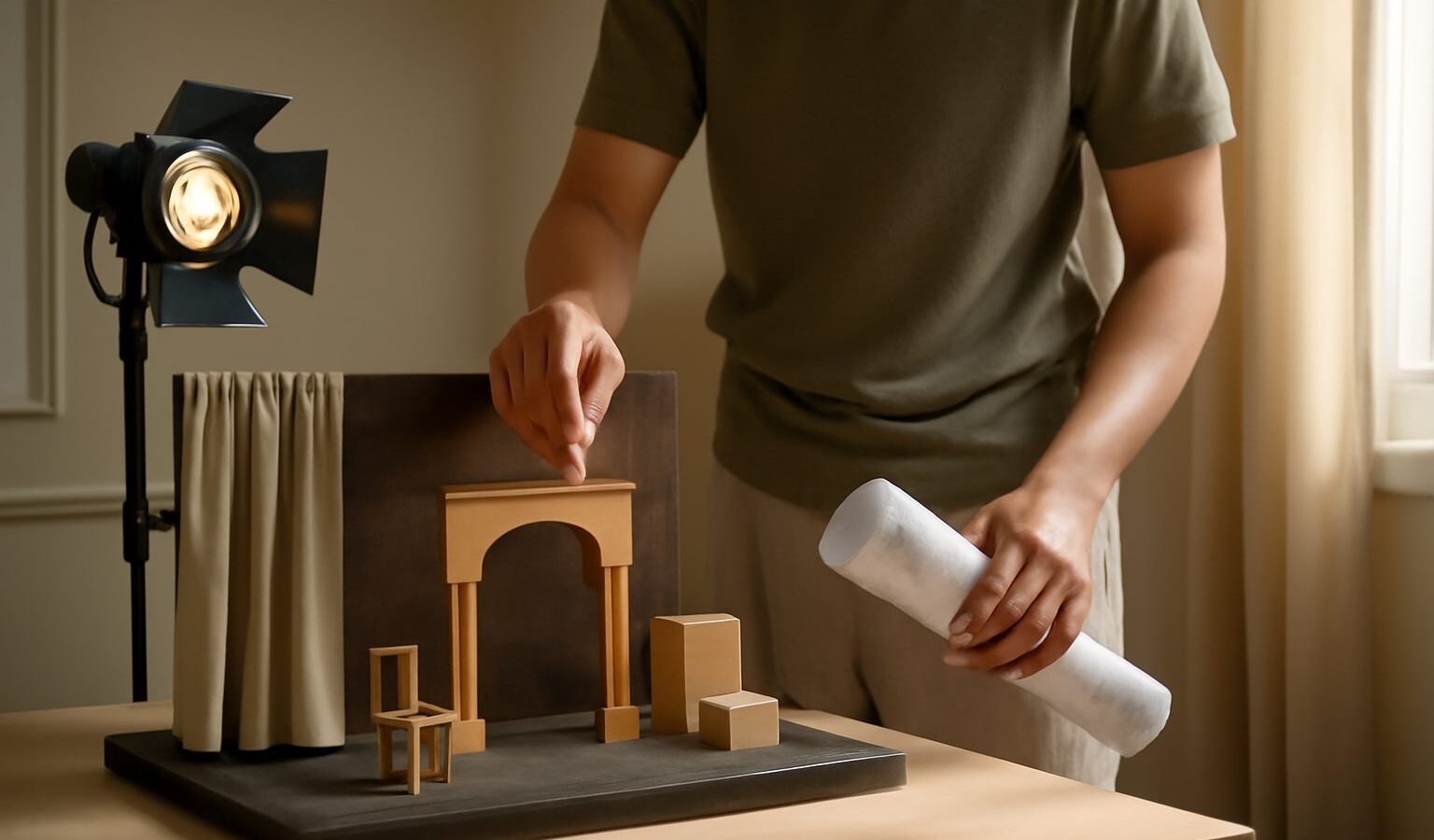
Walk into a theatre, wait for the house lights to dim, and watch an empty stage become a kitchen, a forest, or a spaceship. That transformation is the heart of stagecraft singapore audiences enjoy every time they see a play or musical, and it is one of the most rewarding parts of live performance to learn about. Stagecraft is the umbrella term for everything that builds the world of a show, from the scenery and props to the lighting, sound, and quick backstage changes. Once you know what to look for, a night at the theatre becomes twice as interesting.
What Stagecraft Actually Covers
Stagecraft is the practical craft of putting on a show. It is a broad field, and each part is a specialism in its own right.
- Set design creates the physical space the story lives in, from full built rooms to a single suggestive object.
- Lighting design shapes mood, guides your eye, marks the passing of time, and can turn the same set from morning to midnight in seconds.
- Sound design blends music, effects, and reinforcement so every word reaches the back row.
- Props are the objects the actors handle, chosen and made so they read clearly from a distance.
- Costume and makeup tell you who a character is, and often when and where they live, before they say a word.
- Stage management holds it all together, cueing every lighting change, sound effect, and scene shift on time, night after night.
None of these work alone. A designer, a director, and a team of technicians shape the look and feel of a production together, which is why a good programme credits so many people you never see on stage.
How Set Design Tells a Story
A set is never just decoration. Good set design answers questions before dialogue does. Is this world realistic or dreamlike? Rich or poor? Warm or cold? A cramped, cluttered room suggests a very different life from a bare stage with a single chair.
Designers work with scale, colour, texture, and levels. A raised platform can make a character seem powerful, while a steep angle can leave an audience uneasy without knowing why. Some productions favour bold realism, building a convincing house you could almost live in. Others go minimal, trusting a few well chosen pieces and your imagination to fill the rest. Both approaches are valid, and part of the fun of watching many shows is noticing which choices a designer makes and why.
Set changes are their own art. Revolving stages, sliding panels, and pieces that fly in from above let a show move between places smoothly. When a change happens in near darkness in a matter of seconds, that is a whole crew working in careful, rehearsed silence.
Lighting, Sound, and the Unseen Hands
Lighting is the quiet storyteller of the theatre. A warm glow can feel like home, a cold blue can feel like grief, and a single tight spotlight can make a crowded stage feel utterly alone. Watch how light draws your attention exactly where the story needs it.
Sound does similar work. Beyond microphones that keep dialogue clear, sound design layers atmosphere, from distant traffic to a storm, and underscores emotion with music. In a well run house you should barely notice the technology, only the feeling it creates.
Behind all of it are the unseen hands. Stage managers, operators, and crew rehearse every cue until the show runs like clockwork. Understanding this makes you appreciate that a smooth performance is the result of enormous, invisible effort.
Seeing Stagecraft in Singapore
Singapore is a wonderful place to develop this eye. The Esplanade and other venues host a steady stream of local and international productions across many styles, so you can compare a lavish musical with a stripped back drama in the same season. Local theatre companies often work in intimate spaces where you sit close enough to see every clever detail of the design.
To go deeper, read the programme notes, which frequently name the designers and describe their thinking. Some productions and festivals offer backstage tours or post show talks where the creative team explains their choices. Community and school productions are also a friendly, affordable way to see stagecraft up close and even try it yourself.
If you want to keep exploring, our guide to attending a play and what to expect pairs nicely with a look at what happens behind the scenes of a theatre production. For the bigger picture of the local scene, the theatre in Singapore guide is a great next stop.
Next time the lights go down, let your attention drift to the edges of the stage. Notice the shadows, the textures, and the seamless changes. Stagecraft rewards the curious, and once you start seeing it, you will never watch a show the same way again. Check current listings and venues for what is on, and enjoy the show.