
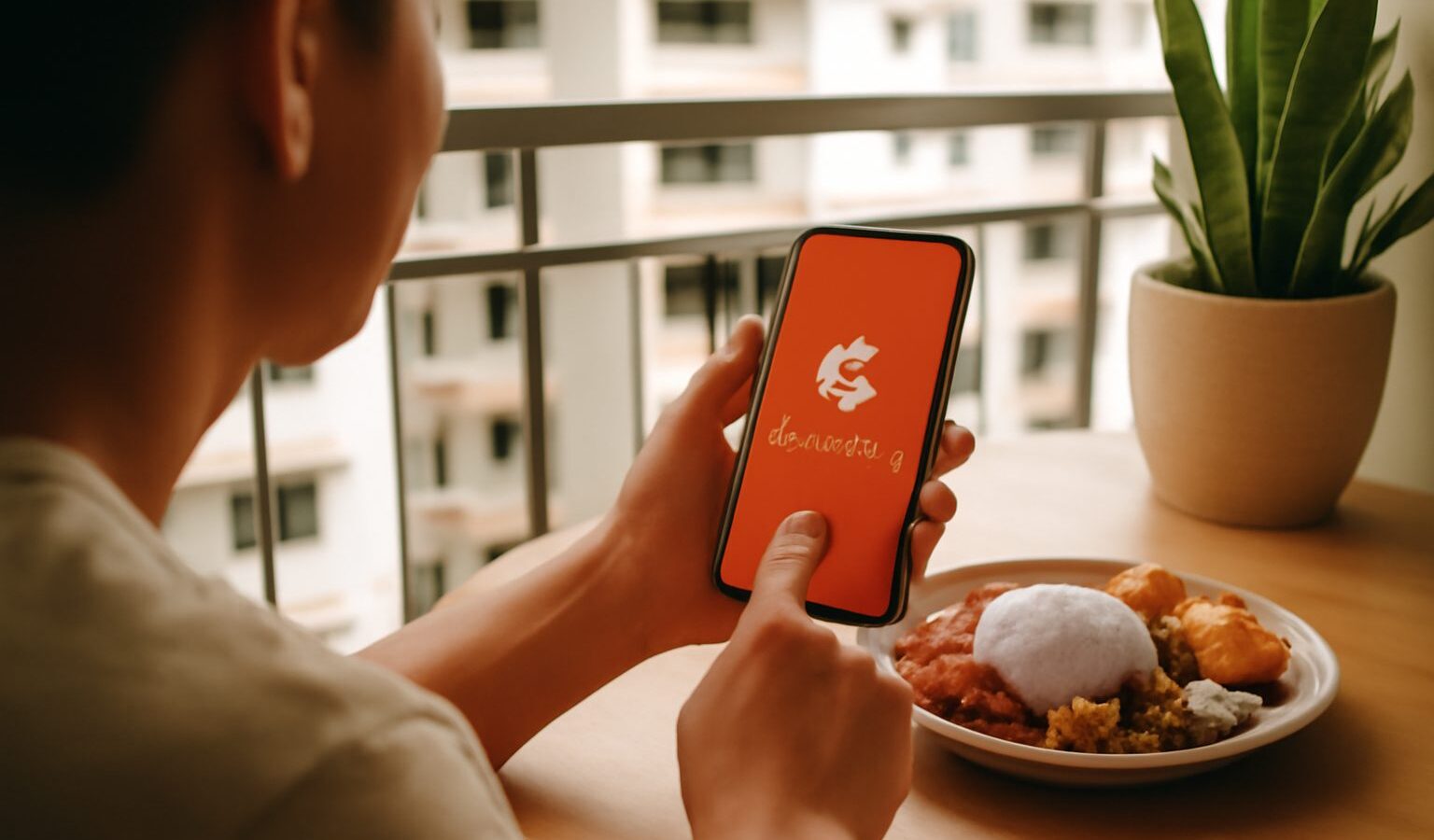
You have just moved into your flat or condo, and one evening you notice the street lamp outside has been dark for a week. A corridor light flickers, there is a spilled bin near the lift, or you spot rats scurrying by the void deck. Back home you might have called a property manager or a neighbourhood office, but in Singapore there is a single, tidy answer for most of these everyday municipal gripes: the OneService app. Learning the OneService app in Singapore early saves you the guesswork of “who do I even tell about this?”, and it quietly makes you a better neighbour.
This guide explains what the app is, what it can and cannot do, how your report reaches the right agency, and the other channels worth knowing.
What the OneService App Is
OneService is a public feedback app run by the Municipal Services Office (MSO), a body set up to smooth out the “grey areas” where a problem might belong to more than one agency. In Singapore, different bodies look after different things: the town councils handle HDB common areas, the National Environment Agency (NEA) handles public cleanliness and pests, the Land Transport Authority (LTA) handles roads, PUB handles drains and water, NParks handles greenery, and so on. As a newcomer you cannot be expected to know which is which, and that is exactly the problem OneService solves.
You snap a photo, drop a pin on the location or let the app detect it, pick a rough category, and submit. The MSO system figures out the responsible agency or town council and routes the case for you. You do not need to know the org chart. Think of it as one front door to many departments, a little like how a single mini-programme back in China might bundle several city services, except here it is a national government app and free of charge.
What You Can Report, and What You Cannot
OneService is built for municipal, public-space issues in your neighbourhood. Good things to report include:
- Faulty or dark street lighting and lamp posts
- Cleanliness problems: litter, overflowing bins, spills, illegal dumping
- Pests in common areas: rats, cockroaches, mosquito breeding, bees or hornets nests
- Damaged pavements, potholes, and road or footpath defects
- Faulty covered-walkway or void-deck fittings, choked common drains
- Abandoned trolleys, fallen tree branches, or tall grass in public areas
- Animal-related concerns in shared spaces
What it is not for:
- Emergencies. If there is a fire, a medical emergency, or a crime in progress, call 995 (SCDF) or 999 (Police). The app is not monitored for emergencies.
- Problems inside your own home. A leak, a broken tap, or a faulty appliance inside your unit is your own or your landlord’s responsibility, not a municipal issue.
- Private condominium internal matters. Inside a private estate, your managing agent or MCST usually handles common-area upkeep, though public roads and drains around it still go through the right agency.
- Disputes and noise between neighbours. These have their own channels, such as the Community Mediation Centre or, for persistent cases, the relevant authorities.
How Cases Get Routed to the Right Agency
Here is the part that reassures most newcomers: you do not have to route anything yourself. When you submit, the MSO uses your category, photo, and location to identify the owning agency or town council, then forwards the case. You receive a case reference and can track updates in the app. If a case was sent to the wrong place, MSO can re-route it, so a genuine mistake in your category is not fatal.
To help it along, give clear details:
- Take a clear photo showing the issue and, if useful, a nearby landmark or block number.
- Confirm the exact location by adjusting the map pin, since “the lamp near the playground” is harder to act on than a precise point.
- Add a short, factual note in English if you can. Keep it calm and specific: what, where, since when.
- Save your case reference so you can follow up if needed.
Response times vary by issue and agency. Simple things like a lamp or litter are often faster; anything needing contractors, parts, or inspection takes longer. The app is a reporting channel, not an instant fix.
Where to Report: A Quick Comparison
Not everything belongs in OneService. This table shows common situations and the best channel to use.
| Issue type | Best channel | Notes |
|---|---|---|
| Dark street lamp, litter, common-area pests, potholes | OneService app | Routed automatically to the right agency or town council |
| HDB common-area repairs (lifts, corridor lights, refuse) | Your town council | OneService can forward, but the town council hotline is direct |
| Fire, medical emergency, crime in progress | 995 (SCDF) or 999 (Police) | Never use the app for emergencies |
| Something broken inside your own flat | Yourself, landlord, or MCST | Not a municipal matter |
| Neighbour noise or disputes | Community Mediation Centre | Try a friendly word first |
| Mosquito breeding or dengue concerns | OneService or NEA | Helps NEA target inspections |
Other Reporting Channels Worth Knowing
The app is convenient, but it is not the only way. Each town council has its own hotline, website, and often its own app for HDB estate matters, and going direct can be quicker for corridor lights, lift faults, and refuse collection in your block. NEA, LTA, and PUB each take feedback on their own sites for their specific domains. There is also a national government feedback portal for wider issues. If you are unsure, OneService is still the safe default, because the routing does the sorting for you.
Keep in mind that as a resident you also help fund some of this upkeep. HDB households pay Service and Conservancy Charges to the town council, which is why the town council is the natural first port of call for your block’s shared areas.
Being a Good Neighbour
Reporting is civic-minded, not complaining. A few habits make the whole system work better and keep you on good terms with those around you:
- Report facts, not people. Focus on the issue and location, not on blaming a specific resident.
- Do not double-report the same thing many times; it slows the queue for everyone. One clear case is enough.
- Fix what is yours to fix. Clear your own bulky waste properly, keep common corridors clear for fire safety, and do not leave items that block walkways.
- Give it reasonable time. Some issues need parts or contractors. Follow up politely with your case reference rather than re-submitting.
Used this way, the OneService app in Singapore turns small frustrations into quiet, quickly-handled fixes, and it signals that you take pride in the neighbourhood you have joined. That reputation, as a considerate resident, is worth more than any single repair.
Explore more
To understand who looks after your block and what your monthly charges pay for, read Town Councils and Conservancy Charges Explained. And because some corridor and void-deck issues are safety matters, see Fire Safety and SCDF for Newcomers to know when a problem is a report and when it is an emergency.