
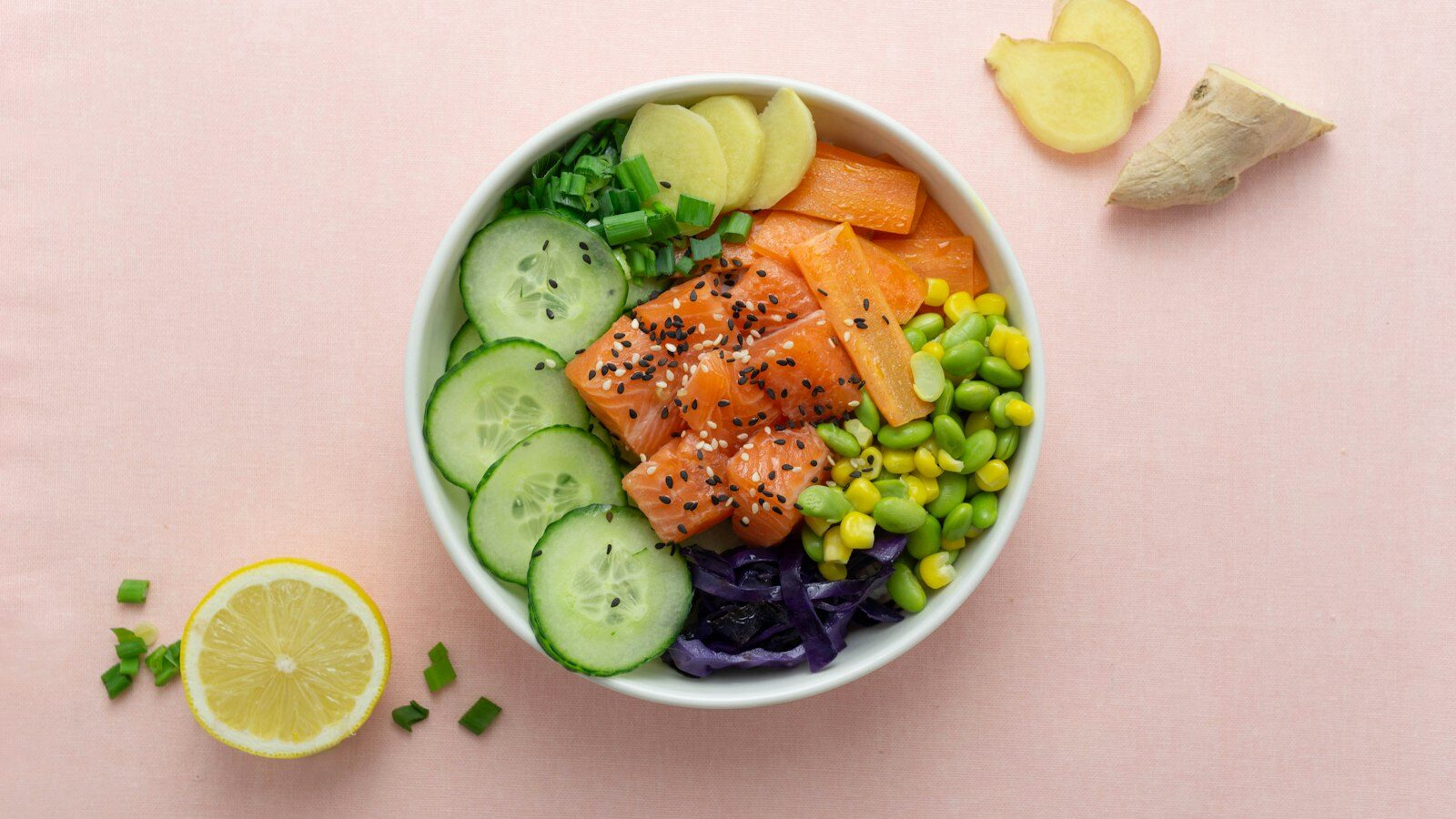
Eating well without meat is easier here than many people expect. Vegetarian food in Singapore has deep roots, from temple kitchens to Indian family recipes, and a newer wave of plant based cafes has joined the party. Whether you are a lifelong vegetarian, exploring vegan Singapore living, or simply after a meatless meal a few days a week, you will find plenty to enjoy at every price point.
This guide covers how easy it really is to eat veg in Singapore, the main styles you will come across, how to spot a vegetarian hawker stall, the phrases that help you order exactly what you want, and a few extra tips for vegans.
How easy is it to eat vegetarian in Singapore?
Short answer: pretty easy, with a little know how. Singapore’s food culture is built on variety, and two long standing traditions, Chinese Buddhist vegetarian cooking and Indian vegetarian cooking, mean fully meatless meals have always been part of daily life. You will find dedicated vegetarian stalls in many hawker centres and coffee shops, whole restaurants devoted to veg, and supermarkets stocked with tofu, tempeh and mock meat.
The one thing to keep in mind is that “vegetarian” and “vegan” are not always the same thing here, and neither is exactly what you might assume. A dish can look plant based yet be cooked with fish sauce, oyster sauce, shrimp paste (belacan) or lard. So the skill is less about finding options and more about asking the right questions. Once you learn a few phrases, doors open everywhere.
The main types of vegetarian food you will meet
Chinese Buddhist vegetarian
This is the tradition behind many of the “vegetarian” (in Chinese, the character is often shown in green) stalls you will see. Buddhist vegetarian cooking is meatless and usually egg free, and it also leaves out the “five pungents,” including garlic and onion, which are avoided for religious reasons. Expect braised vegetables, tofu, beancurd skin, mushrooms and lots of creative mock meat made from soy, gluten and mushroom.
A typical stall offers economy rice style spreads: you point at several cooked dishes over rice or noodles. It is filling, comforting and very affordable.
Indian vegetarian
Indian vegetarian food is one of the great pleasures of eating here, and much of it is naturally vegan or easily made so. Think of a thali, a platter with rice, several curries, dhal, vegetables, pickle and sometimes a sweet, or a crisp dosa, a savoury rice and lentil crepe served with sambar and chutney. South Indian eateries in particular are a reliable home for meatless meals, and many are pure vegetarian kitchens.
Modern vegan cafes and plant based dining
A younger scene of modern vegan cafes has grown quickly. Here the language is “plant based,” and menus lean towards brunch plates, grain bowls, plant milk coffee, burgers built on pea or soy protein, and dairy free desserts. These places tend to be clearly labelled, which makes them a comfortable landing spot if you are new to vegan Singapore and still learning the local terms.
Mock meat
Mock meat deserves its own mention because it is everywhere in the vegetarian scene. Made from soy, wheat gluten, mushroom or beancurd skin, it mimics char siew, chicken, fish and even prawn. Traditional Buddhist stalls have served it for generations, and newer brands now sit in supermarket chillers too. It is a handy bridge for anyone easing into meatless eating.
How to identify a vegetarian hawker stall
Vegetarian stalls are dotted through hawker centres and coffee shops, and once you know the signals they are easy to pick out.
- Look for the word “Vegetarian” in English, often paired with a Chinese character shown in green.
- Signs may say “no meat,” “no egg” or “Buddhist vegetarian,” and some show a lotus or swastika symbol, an ancient auspicious sign in Buddhism unrelated to its later misuse.
- The display looks like economy rice but with only vegetable, tofu and mock meat dishes, and no real meat or seafood on show.
- Prices are usually gentle, and portions are generous.
If you are unsure whether a general stall can do a meatless plate, it never hurts to ask. Many hawkers are happy to leave meat out of a noodle or rice dish if you request it clearly.
Useful phrases for ordering
A few simple phrases go a long way. Singapore is multilingual, so English works almost everywhere, but showing you know the key terms helps avoid mix ups.
Quick tip: the most common hidden non veg ingredients are fish sauce, oyster sauce, shrimp paste (belacan), lard and egg. Naming them directly is more reliable than only saying “vegetarian.”
Helpful things to say:
- “I am vegetarian, no meat and no seafood please.”
- “No fish sauce, no oyster sauce, no belacan.” (These sneak into many local dishes.)
- “No egg, please,” if you keep an egg free diet.
- “No garlic, no onion,” for strict Buddhist vegetarian meals.
- “Is there any meat or fish in this?” when you are not certain.
- In Mandarin, the word for vegetarian is commonly understood, and pointing at a green vegetarian sign confirms it.
For vegans, add “no milk, no butter, no cheese” at cafes, and check whether kaya (a coconut and egg jam) or condensed milk is used in drinks and toast.
Plant based options at hawker centres
Even away from dedicated veg stalls, hawker centres reward a bit of exploration. Some dishes are naturally meatless or easy to adapt:
- Vegetable based economy rice plates, choosing only the veg and tofu dishes.
- Plain or vegetable noodles and fried rice, asked for without meat, egg or seafood, and without fish or oyster sauce.
- Indian vegetarian sets, dosa and thosai, and vegetable curries with rice or roti (ask about ghee if you are vegan).
- Tofu and vegetable soups, and clear vegetable dishes, again confirming the stock is not meat based.
- Fresh fruit stalls and soya bean drinks for something light.
Because stocks, sauces and shared woks can carry animal ingredients, the golden rule stands: ask, name the specific sauces, and confirm before you order.
Extra tips for vegans
Vegetarian is well established here; strict vegan eating just needs a little more care.
- Learn the local sauces. Fish sauce, oyster sauce and belacan are the usual culprits, and dairy shows up as condensed milk, evaporated milk, butter and ghee.
- Watch your drinks. Local coffee (kopi) and tea (teh) often come with condensed or evaporated milk by default, so ask for it without, or choose a plant milk cafe.
- Use the mock meat abundance. It makes hearty, familiar meals simple to put together.
- Stock your kitchen. Supermarkets and wet markets carry tofu, tempeh, beancurd skin, plant milks and fresh vegetables at good value.
- Say “plant based” at modern cafes and “vegetarian, no egg, no dairy” at traditional stalls, matching your words to the setting.
A quick checklist before you order
- Named the hidden sauces (fish, oyster, belacan)?
- Confirmed no egg or dairy if that matters to you?
- Checked the stock or broth is not meat based?
- At a strict Buddhist stall, noted the no garlic, no onion style?
With these habits, meatless eating in Singapore stops feeling like a hurdle and starts feeling like an invitation to try more. Between temple kitchens, Indian classics, clever mock meat and a lively plant based cafe scene, there is a whole city of flavour waiting, no meat required.
Explore more: Must-try hawker food in Singapore · Halal food in Singapore: a guide