
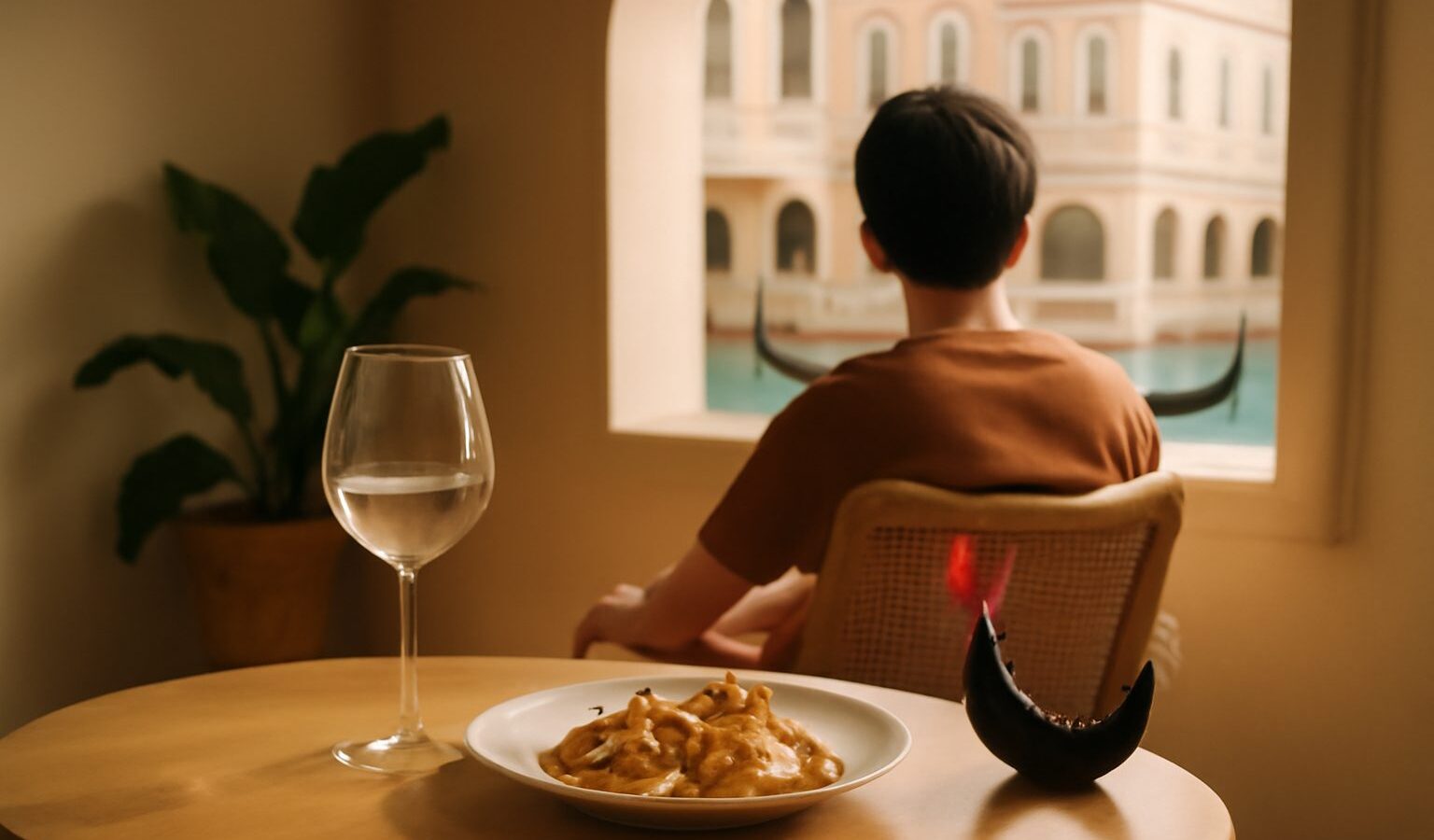
A city built on water, laced with canals and free of cars, Venice feels like nowhere else on earth. Gondolas glide beneath stone bridges, morning light catches the faded palazzos and every wrong turn leads somewhere photogenic. Planning a trip to Venice from Singapore means thinking about the flight, the best seasons and the quirks of a place where boats replace buses, and this guide covers the practical groundwork so you can give yourself over to getting happily lost.
Getting There From Singapore
Venice sits in northeastern Italy, a long-haul journey from Changi that almost always involves at least one connection through a European or Gulf hub. Compare current routings rather than assuming a set flight time, and weigh the fare against the length of the layover. On arrival you swap the runway for the water, reaching the historic islands by water bus or water taxi across the lagoon, which is an experience in itself.
The climate is a real contrast to the tropics. Summers are hot and humid, spring and autumn are mild but changeable, and winters are cold and damp with the chance of fog. Pack layers, a waterproof and sturdy walking shoes, and in the colder months a proper coat. Venice is famous for acqua alta, the seasonal high water that can flood low lying areas such as St Mark’s Square, so check conditions in autumn and winter and be ready to detour.
When To Go And How Long To Stay
Late spring and early autumn offer the best balance of pleasant weather and slightly lighter crowds, though Venice is popular in every season. Summer is hot, humid and extremely busy. Winter is quiet and atmospheric, cheaper and often misty, with the famous Carnival masks appearing in the weeks before Lent.
Two to three days is enough to see the main sights and still wander the quiet back canals. Add a day to reach the outer islands or to simply slow down. Venice pairs well with a wider Italian or Central European itinerary if you have more time, and the mainland is an easy train ride away.
| Season | What to expect | Who it suits |
|---|---|---|
| Spring (Apr to Jun) | Mild, bright, busy but bearable | First timers wanting balance |
| Summer (Jul to Aug) | Hot, humid, very crowded | Those tied to school holidays |
| Autumn (Sep to Oct) | Cooler, atmospheric, easing crowds | Photographers and romantics |
| Winter (Nov to Feb) | Cold, misty, quiet with Carnival | Budget and low season travellers |
Getting Around The City
Venice has no cars, so you get around on foot and by water. The vaporetto, the public water bus, plies the Grand Canal and connects the islands, and a multi day pass usually works out better than single tickets if you plan to ride often. Water taxis are fast but pricey, while the romantic gondola ride is best treated as a special splurge rather than transport.
Mostly, though, you will walk. The islands are compact and the joy is in the wandering, so wear comfortable shoes and accept that you will get lost, which is half the point. From Changi you are used to precise transit, so relax into a slower, more improvised rhythm here and check current vaporetto fares before you travel.
Top Things To See And Do
The heart of the city is Piazza San Marco, St Mark’s Square, framed by the shimmering mosaics of St Mark’s Basilica and the pink Gothic Doge’s Palace, the seat of the old Venetian republic. Nearby, the Rialto Bridge arches over the Grand Canal amid a bustle of market stalls and cafes. Simply riding the length of the Grand Canal by vaporetto is one of travel’s great free spectacles.
Beyond the icons, explore the quieter districts of Cannaregio, Dorsoduro and San Polo, where local life carries on away from the crowds. For a half day trip, hop across the lagoon to Murano, famed for its glassblowing, and Burano, with its rows of brightly painted fishermen’s houses. Losing an afternoon in the maze of tiny canals and squares is the real Venice experience.
What And Where To Eat
Venetian food is built around the lagoon and the sea. The local speciality is cicchetti, small bites and snacks served in bacari, the traditional wine bars, where you graze standing up with a small glass of wine. It is an affordable, sociable way to eat and skip the tourist traps around the main square.
Look for fresh seafood, risotto and pasta with lagoon ingredients, and finish with a coffee or a spritz on a quiet campo. Prices near St Mark’s are steep, so walk a few streets into the residential districts for better value and better food. As everywhere, treat menu prices as current only and check before you order, especially the cover charges some places add.
Where To Base Yourself
Staying on the historic islands themselves is magical, letting you enjoy the city once the day trippers leave, but it comes at a premium and everything arrives by boat or on foot. Central districts near San Marco are convenient but busiest and priciest, while quieter areas such as Cannaregio or Dorsoduro offer atmosphere and better value within walking distance of the sights.
For lower prices, some travellers base themselves on the mainland and commute in by train, trading atmosphere for savings. Decide whether waking up inside the old city is worth the extra, then choose an area to match rather than chasing a specific name.
Costs, Money And Practical Tips
Venice is one of Europe’s pricier destinations, driven by its popularity and the logistics of moving everything by water. Cards are widely accepted, but carry cash for small bacari and market stalls. Treat all prices and exchange rates as moving figures and check current details, including any visitor fees, before you commit.
A few closing notes. Italian is the local language, though English is widely understood in tourist areas, and dressing modestly is expected at churches. This is general travel information, not official advice. Entry and visa rules depend on your passport and change often, so a Singapore passport holder and a mainland China passport holder may face very different requirements for the same trip. Check the official Italian or Schengen sources for your own passport, confirm Singapore re-entry details with ICA, and arrange suitable travel insurance before you fly.
Explore more: pair Venice with Vienna, Prague or Budapest on a wider Central European trip.