
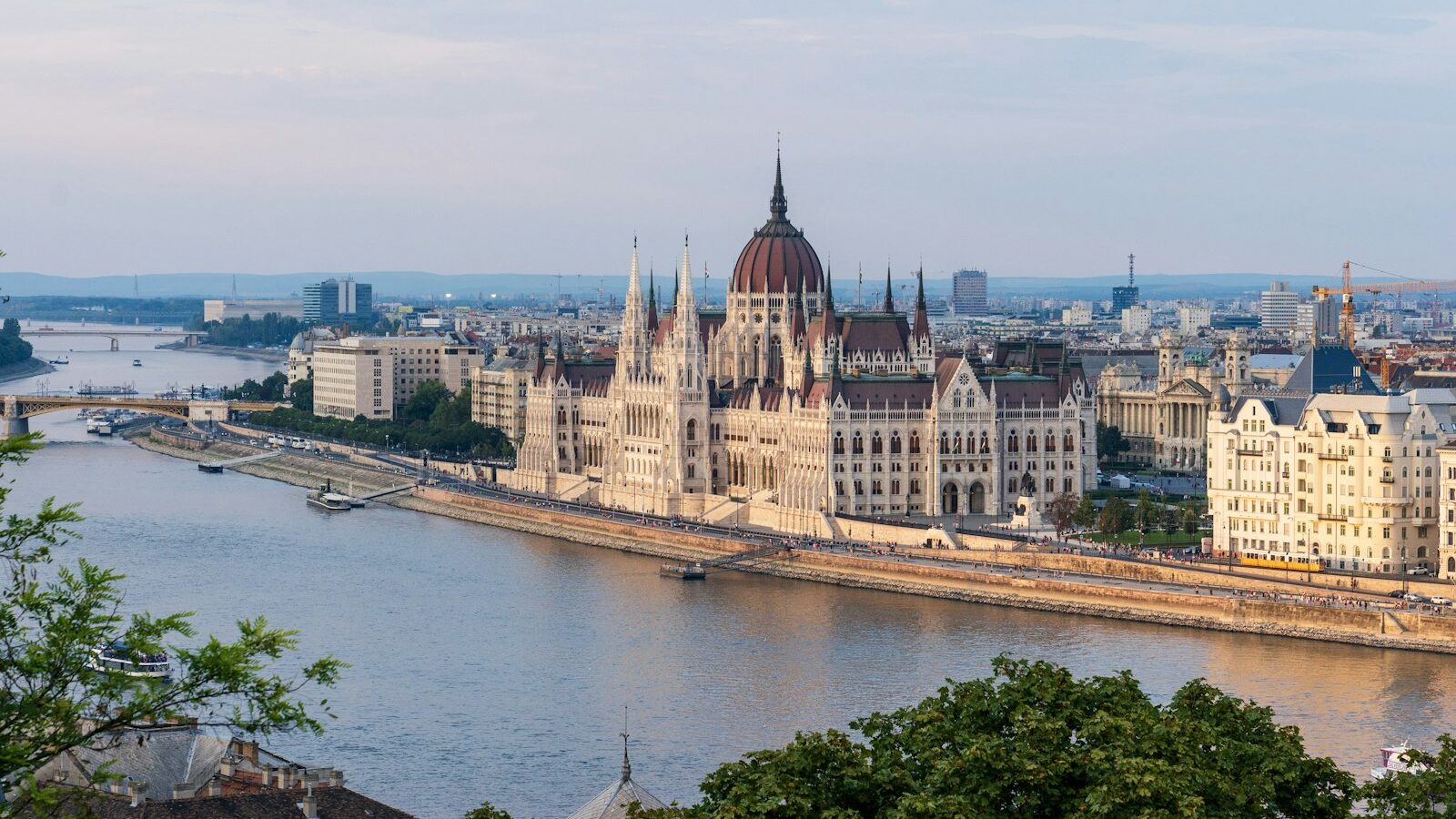
Grand, affordable and gloriously scenic along the Danube, Hungary’s capital is one of Central Europe’s great city breaks, and planning Budapest from Singapore rewards you with historic thermal baths, sweeping river views, a hilltop castle and a famously fun nightlife. The city is really two halves, hilly Buda and flat Pest, stitched together by elegant bridges over the river. It offers big-city sights at gentler prices than much of Western Europe, which makes it a smart choice for travellers watching the budget. This guide covers getting there from Singapore, when to go, what to see and how to plan.
Getting There From Singapore
Budapest is a long-haul destination from Changi, and while there is normally no non-stop service, most travellers connect once, commonly through a Middle Eastern or European hub, before the final leg into Budapest’s airport. Total travel time typically runs somewhere in the region of fourteen to eighteen hours depending on your connection and layover, so choose a routing with comfortable transfer time.
The airport sits southeast of the city, with airport buses and taxis running into the centre. Hungary is several hours behind Singapore, so westbound jet lag is usually manageable. Arrive, stay up until a local bedtime, and you should adjust within a day.
Entry rules for Singapore passport holders can change, and Hungary is part of the Schengen area, so confirm the current requirements with the Hungarian authorities and check ICA guidance before you fly. A Singapore passport and a China passport can face very different conditions for the same trip, so each traveller should verify for their own passport. Sort out passport validity and travel insurance before departure.
When to Go and How Long to Stay
Budapest is a four-season city with genuinely hot summers and cold winters, a real contrast to the tropics. Late spring and early autumn are the sweet spots, with pleasant weather and manageable crowds. Summer is warm and lively but busier, while winter is cold and atmospheric, with festive markets and steaming outdoor baths.
| Season | Weather | Crowds and Cost | Good For |
|---|---|---|---|
| Summer (Jun to Aug) | Hot, sunny | High | Riverside evenings, festivals |
| Autumn (Sep to Oct) | Mild, crisp | Moderate | Comfortable sightseeing, value |
| Winter (Nov to Feb) | Cold, sometimes snowy | Lower, festive peak | Baths, Christmas markets |
| Spring (Mar to May) | Mild, brightening | Moderate | Blossom, quieter streets |
Two to three days covers the main sights comfortably. Add a day or two to slow down, enjoy the baths properly or take a Danube day trip.
Getting Around
Central Budapest is walkable, and strolling across its bridges is one of the joys of a visit, but the wider city is large, so lean on the public transport network too. Trams, buses and a historic metro system connect the sights efficiently, with tickets and passes easy to buy, and the riverside tram routes offer lovely views. Validate your ticket as required and keep it handy, since inspectors do check and fines for travelling without a valid ticket can sting.
For a scenic change, boats ply the Danube, and day trips run to the pretty towns of the Danube Bend upriver. You rarely need a car in the city. If you do drive elsewhere in Hungary, traffic drives on the right, the opposite of Singapore.
Top Things to See and Do
The thermal baths are Budapest’s signature experience, grand bathhouses fed by natural hot springs where you can soak in ornate indoor and outdoor pools, a wonderful antidote to a cold day. On the Buda side, climb Castle Hill for the old town, the royal palace, the Fishermen’s Bastion and postcard views across the river. On the Pest side, the neo-Gothic Parliament building dominates the waterfront and looks spectacular when floodlit at night.
Walk the grand Andrassy Avenue, ride the historic metro line beneath it, and pause on the Chain Bridge for classic river photos. The city’s ruin bars, set in once-derelict buildings, are a distinctive night out, and the cafe culture is rich with grand old coffee houses where you can linger over cake and coffee for the price of a snack back home. A Danube cruise, especially after dark, ties the whole panorama together.
Where to Base Yourself
Budapest offers distinct neighbourhoods to suit different trips.
- District V (the inner city, Pest side): central and walkable, close to Parliament, the river and shops.
- District VII (the old Jewish Quarter): the nightlife and ruin-bar heart, lively and full of character.
- The Buda side near Castle Hill: quieter and more scenic, with hills, history and river views.
- Around Andrassy Avenue: elegant and leafy, handy for the opera house and city park baths.
Book ahead for summer and festive dates, though rooms here generally cost less than in Western European capitals.
Food, Money and Practical Tips
Hungarian food is rich and warming, built around paprika-spiced stews such as goulash, hearty meat dishes, freshwater fish soup and sweet pastries, with the famous chimney cake sold as a street treat. Budapest has an excellent value dining scene, from traditional restaurants to modern cafes and lively markets, so you can eat very well without spending a lot. Tap water is safe to drink.
Budapest is one of Europe’s better-value capitals, which stretches your budget for sights, baths and meals. The currency is the Hungarian forint, not the euro, and while cards are widely accepted it is worth carrying some cash for small purchases and market stalls. English is common in tourist areas, connectivity is good, and the usual city-safety habits apply around crowds and nightlife. Check MFA advisories and a travel clinic before a long-haul trip, and buy suitable travel insurance.
Explore more
Budapest slots neatly into a wider European adventure. Pair it with the British Isles using our Edinburgh from Singapore and Dublin from Singapore guides, or add a dramatic northern contrast with Reykjavik and Iceland from Singapore for glaciers, waterfalls and the Northern Lights.