
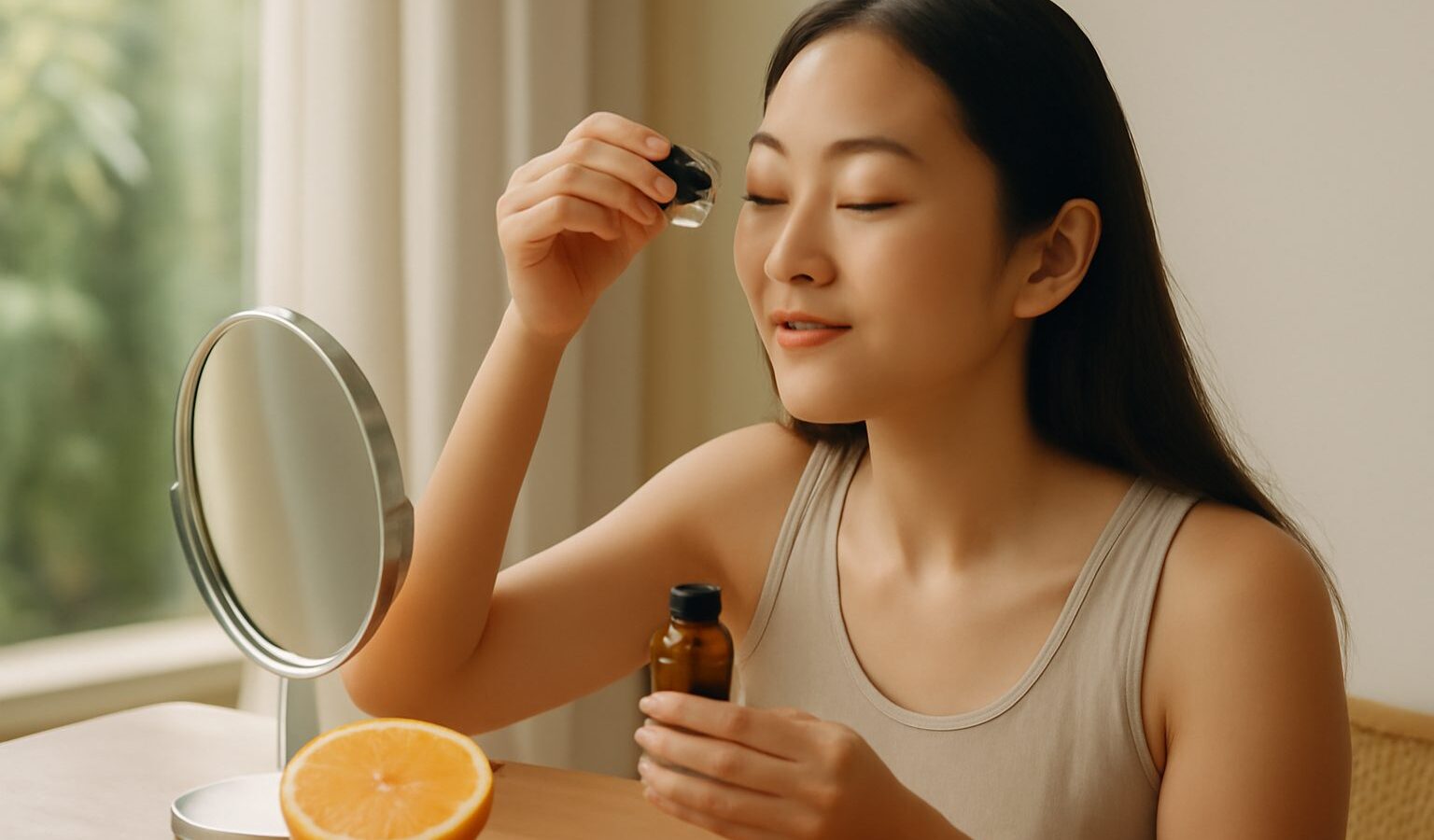
A good vitamin C serum is one of the most popular ways to brighten dull skin and even out tone, which is exactly why the shelves at Sephora, Watsons and Guardian are crammed with them. But choosing a vitamin C serum in Singapore is not just about grabbing the prettiest bottle. The form of vitamin C, the packaging, and how you store and layer it in our heat all decide whether you get a glow or a bottle that turns brown and does very little. This guide keeps things simple: what vitamin C does, how to pick one, and how to use it well in our climate. It is general beauty information, not medical advice.
What Vitamin C Does for Skin
Vitamin C is an antioxidant. In skincare, that means it helps defend skin against some of the daily environmental stress that dulls tone and, over time, supports a brighter, more even complexion. Many people also find it helps soften the look of dark spots and adds a healthy radiance. It is often described as a morning-friendly active because pairing an antioxidant with sunscreen gives your skin extra daytime support.
A few honest expectations help here. Vitamin C is a supporting player, not a magic eraser. Results build gradually over weeks, they vary from person to person, and no serum replaces sunscreen. Think of it as a steady brightening habit rather than a quick fix.
The Different Forms of Vitamin C
This is where many shoppers get lost, so here is the plain version. Not all vitamin C is the same molecule.
- L-ascorbic acid: the pure, most-studied form. Often the most effective, but also the least stable and the most likely to irritate sensitive skin. It can sting slightly and goes off faster.
- Sodium ascorbyl phosphate and magnesium ascorbyl phosphate: gentler, more stable derivatives, a nice choice for sensitive or oilier, breakout-prone skin.
- Ascorbyl glucoside and ethyl ascorbic acid: stable derivatives that are generally milder while still brightening.
- Tetrahexyldecyl ascorbate: an oil-soluble form that suits drier skin and tends to feel comfortable.
There is no single best form for everyone. Sensitive or beginner skin often does better starting with a gentler derivative, while those who tolerate actives well may prefer L-ascorbic acid.
| Form | Strength profile | Stability | Best for |
|---|---|---|---|
| L-ascorbic acid | Most potent | Lowest | Experienced users, resilient skin |
| Ascorbyl/magnesium phosphates | Gentle | Higher | Sensitive, oily, acne-prone skin |
| Ethyl ascorbic acid | Moderate | Higher | Beginners wanting brightening |
| Tetrahexyldecyl ascorbate | Moderate | Higher | Dry, comfort-seeking skin |
How to Use a Vitamin C Serum
The routine is refreshingly simple, and less is more.
- Patch-test first on your inner arm or jawline for a couple of days before applying to your whole face.
- Apply in the morning on clean skin, before heavier creams. A few drops is plenty.
- Wait a moment, then layer your moisturiser.
- Finish with sunscreen, every single day. This is the step that makes brightening efforts worthwhile.
- Start a few times a week if your skin is sensitive, then build up to daily as it settles.
If you already use retinol at night, vitamin C in the morning is a common, comfortable pairing. When first introducing several actives, add them one at a time so you can tell what your skin likes. Avoid slathering it onto broken or freshly exfoliated skin, and if it stings sharply or leaves lasting redness, cut back or switch to a gentler form.
Storing Vitamin C in Our Heat and Humidity
This part matters more in Singapore than almost anywhere. Vitamin C, especially L-ascorbic acid, breaks down when exposed to light, air and warmth, and a warm HDB bathroom is not its friend. A serum that has turned deep yellow or brown has oxidised and lost much of its punch.
To keep yours working:
- Choose opaque or dark bottles with airless or dropper packaging rather than clear jars.
- Store it somewhere cool and out of direct light; some people keep theirs in the fridge.
- Close the cap tightly and use it within a few months of opening.
- Buy sensible sizes you will actually finish, rather than a giant bottle that oxidises before you get through it.
If your serum smells off or has changed colour significantly, it is time to replace it.
Where to Buy and What to Spend
You can find vitamin C serums across every price tier here. Watsons and Guardian carry affordable, beginner-friendly options; Sephora and department store counters stock mid-range and premium brands; and Shopee and Lazada offer plenty, though it is wise to buy from official brand or authorised stores to avoid old or fake stock. A higher price does not guarantee better results. Stable packaging, a form that suits your skin, and consistent daily use matter far more than a luxury label.
For a first serum, a gentle derivative in good packaging at a modest price is a sensible, low-risk way to see how your skin responds before spending more.
A Note on Safety
Vitamin C can make some people’s skin a little more reactive, so introduce it slowly and always pair your morning routine with sunscreen, since many actives increase sun sensitivity. This article is general information, not medical advice. If you have a skin condition, persistent dark patches you are worried about, or a reaction that will not settle, see a doctor or dermatologist who can assess your skin properly. Used steadily and stored well, a vitamin C serum can be a bright, easy win in a Singapore routine.
Explore more
To understand how vitamin C fits with other actives, read our guide to niacinamide and skincare actives in Singapore and our overview of toners, essences and serums. If you are keeping costs down, skincare on a budget shows where to save and where to spend.