
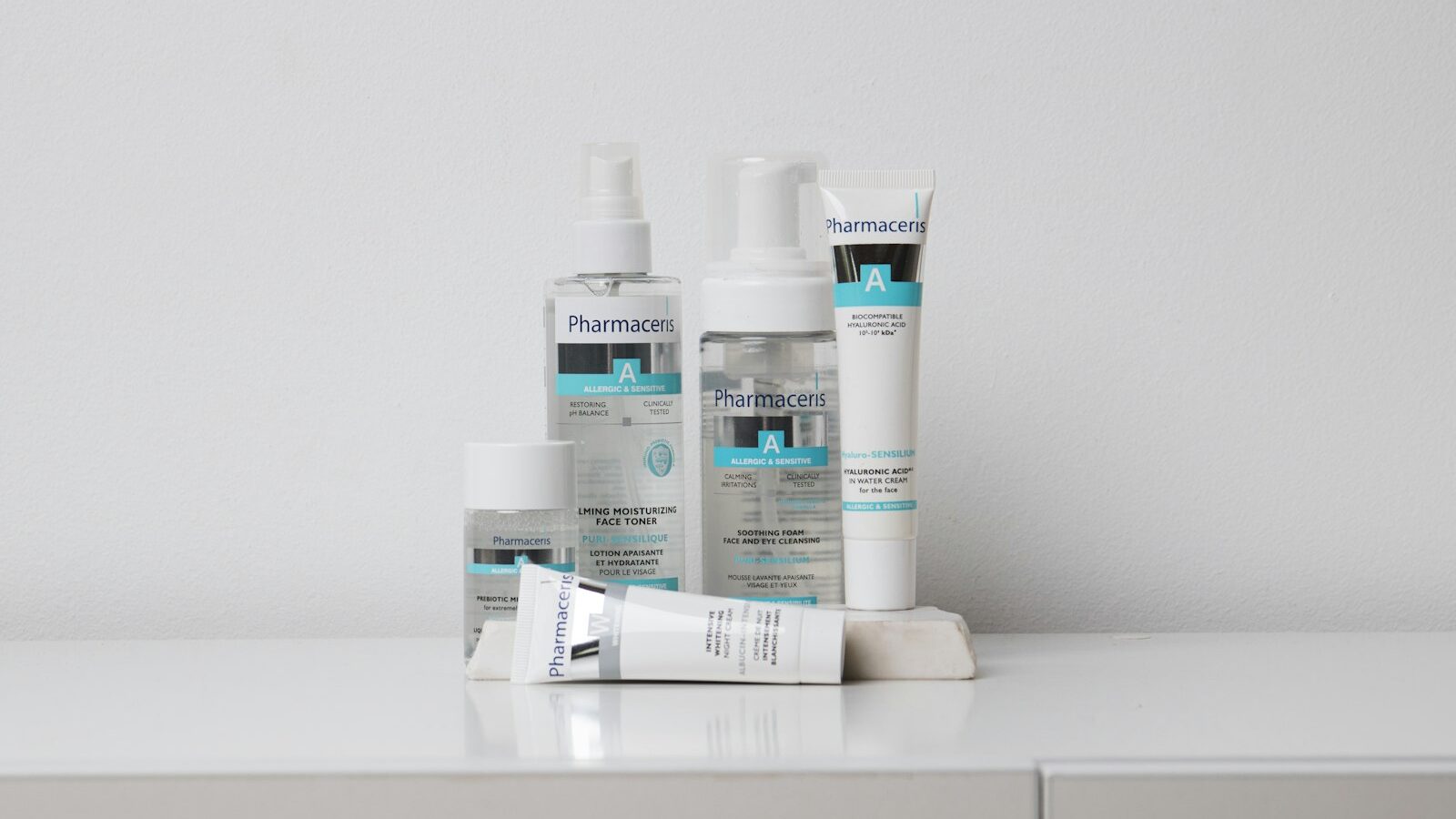
If you have ever scanned an ingredient list and spotted “panthenol” near the top, you have met one of the quieter workhorses of modern formulas. The interest in panthenol skincare in Singapore has grown as more people look for gentle, barrier-friendly hydrators that behave well in our sticky heat. Panthenol is the cosmetic form of vitamin B5, and it turns up in everything from lightweight essences to thick night creams. This guide explains what it is, what it actually does, who it suits, and how to fit it into a routine that has to survive humidity, aircon and year-round sun.
What panthenol and vitamin B5 actually are
Panthenol is a stable, alcohol form of pantothenic acid, better known as vitamin B5. Once it is on your skin, it is understood to convert into pantothenic acid, which is a normal part of how skin cells function. You will see it listed as panthenol, D-panthenol, or provitamin B5, and it appears in both skincare and haircare because it is water-loving and easy to formulate with.
In practical terms, panthenol is prized for two things. First, it is a humectant, meaning it helps draw and hold water in the upper layers of skin, which is why formulas often feel plumper and more comfortable. Second, it is widely regarded as soothing and supportive of the skin barrier, the outer layer that keeps moisture in and irritants out. That combination is why you often find it paired with calming ingredients in products aimed at sensitive or stressed skin.
A useful way to think about it: panthenol rarely does anything dramatic on its own, but it makes the rest of a routine feel kinder. If you want to understand how it sits alongside other common actives, our overview of understanding skincare ingredients in Singapore is a good companion read.
What it does for your skin
Here is an honest summary of the everyday benefits people notice, without overpromising.
- Hydration and comfort. As a humectant, panthenol can leave skin feeling softer and less tight, which is welcome after cleansing or a long day in the sun.
- Barrier support. It is commonly used in products designed to calm the look of redness and to support skin that feels raw, dry or over-exfoliated. If your barrier feels compromised, our guide to repairing your skin barrier in Singapore explains the bigger picture.
- Good company for actives. Because it is gentle, panthenol is often included in serums and moisturisers alongside stronger ingredients to help offset dryness or tingling.
What it is not: panthenol is not an acne treatment, not an exfoliant, and not a replacement for sunscreen. It is a supportive hydrator, and it is most useful as part of a balanced routine rather than a hero step. Persistent redness, flaking or irritation that will not settle is worth showing to a doctor or dermatologist rather than treating with any single product.
Who it suits
Panthenol is one of the more universally tolerated ingredients, which is part of its appeal. It tends to suit:
- Sensitive or easily irritated skin, where gentler formulas are safer bets. Our sensitive skin care guide for Singapore pairs well here.
- Dry or dehydrated skin that needs extra water-binding help.
- Oily and combination skin, because panthenol is lightweight and does not have to feel heavy.
As always, gentle does not mean guaranteed. Any ingredient can cause a reaction in some people, so patch test a new product before applying it to your whole face.
How to use it in Singapore’s humid climate
Our climate rewards light layers that hydrate without suffocating the skin, and panthenol fits that brief neatly.
- Choose your texture wisely. In humidity, a panthenol essence, gel or lightweight lotion often feels better than a rich cream. Save heavier textures for aircon-dry nights or flights.
- Layer damp to dry. As a humectant, panthenol works best applied to slightly damp skin, then followed by a moisturiser to seal it in. See hydrating versus moisturising your skin for why both steps matter here.
- Use it to buffer stronger actives. If a retinoid or acid leaves your skin dry, a panthenol-rich moisturiser can make the routine more comfortable.
- Never skip sunscreen. Panthenol does not protect against UV, and our sun is strong all year, so broad-spectrum sunscreen remains non-negotiable.
The honest limits of the evidence
Panthenol has a long track record in cosmetics and a reputation for being well tolerated and hydrating. That said, much of the marketing language around “repair” and “healing” outpaces what everyday cosmetic use can promise. Results depend on the whole formula, the concentration, and your own skin, and cosmetic products are not medicines. Treat panthenol as a reliable comfort-and-hydration ingredient rather than a cure for any condition.
To sum up: panthenol, or vitamin B5, is a friendly, water-loving ingredient that helps skin feel hydrated, calm and comfortable, and it slots easily into a humidity-friendly routine. Introduce it one product at a time, patch test first, keep up your sunscreen, and see a professional for anything that persists or worsens.