
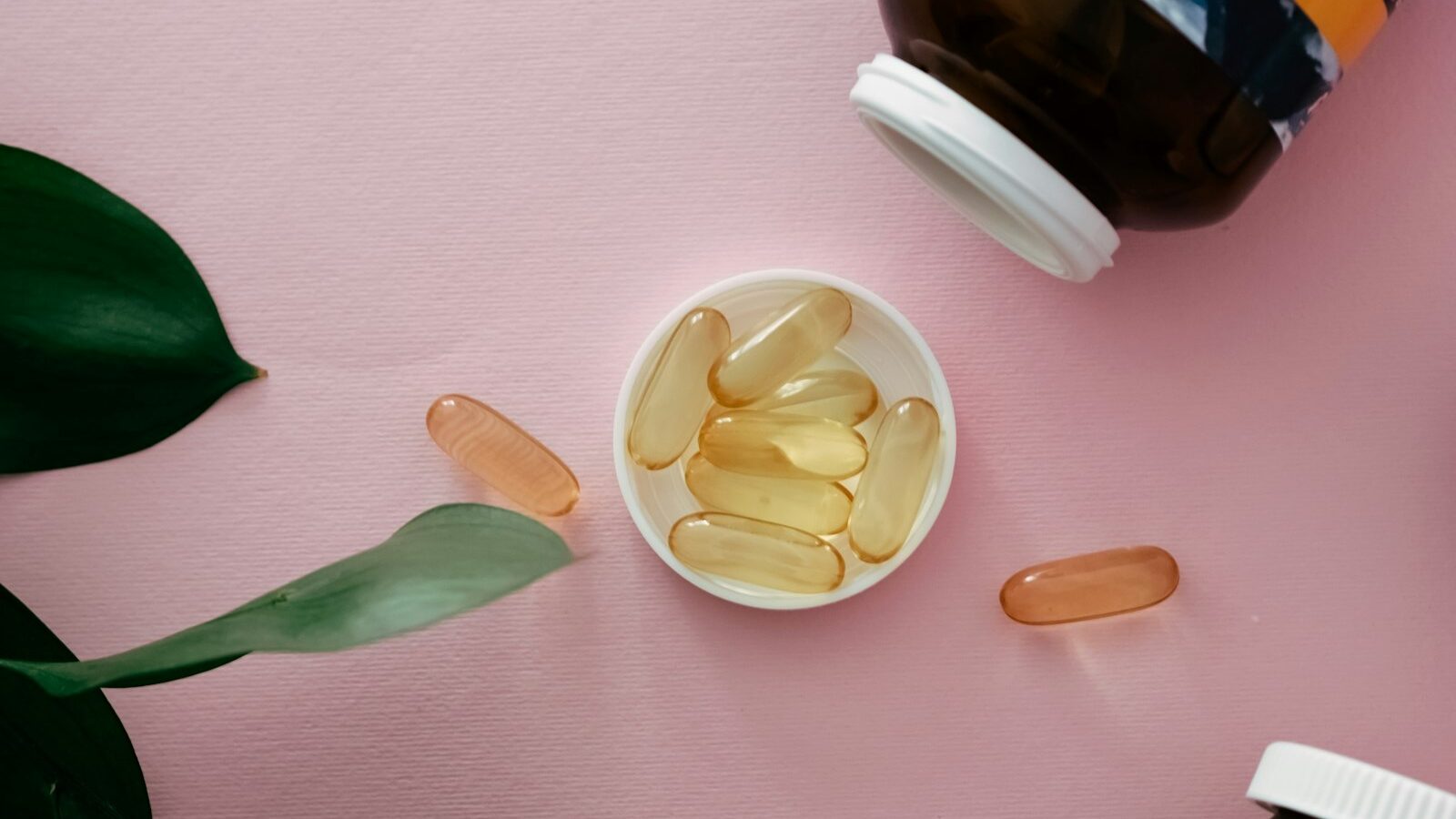
Vitamin E is one of those ingredients you have probably seen on a hundred labels without ever stopping to ask what it actually does. It sits quietly in serums, moisturisers and facial oils, rarely the headline act, usually a supporting player. If you are trying to make sense of vitamin e skincare in Singapore, the short version is this: it is a well established antioxidant and skin conditioner that helps oils stay stable and helps skin feel comfortable, but it is not a miracle worker and it is not the fade-everything spot treatment some people expect. This guide walks through what it is, who it suits, and how to use it sensibly in our warm, humid climate.
What Vitamin E Actually Is
Vitamin E is not a single molecule but a family of related compounds, the most common of which is tocopherol. On an ingredients list you will usually see it written as tocopherol or tocopheryl acetate, the latter being a more stable form that the skin gradually converts. It is oil-soluble, which is why you find it in oils, balms and richer creams more often than in watery gels.
Its main job in skincare is as an antioxidant. Antioxidants help neutralise unstable molecules called free radicals, which are generated by things like ultraviolet light and pollution. In our part of the world, with strong sun all year and the occasional haze season, that kind of everyday support has obvious appeal. Vitamin E also has a genuinely useful practical role inside a product: it helps protect the oils and other ingredients in a formula from going off, so it doubles as a mild preservative for the formula itself.
Beyond that, it is a decent skin conditioning agent. It sits on the surface and in the upper layers, helping skin feel softer and less tight, and supporting the barrier that keeps water in. If you want to understand why that barrier matters so much, our guide on repairing your skin barrier is a helpful companion read.
What It Can and Cannot Do
Here is where honesty matters. Vitamin E is often marketed as a scar eraser and a fix for stretch marks, and the evidence for those uses is weak. Some studies have found no benefit at all for scars, and a few people even develop a rash from applying pure vitamin E oil directly. So please do not expect it to erase old marks.
What it does do reasonably well is work alongside other antioxidants. It has a long-studied partnership with vitamin C, where the two appear to support each other and become more effective together, especially for daytime antioxidant protection. If you already use a vitamin C product, you might notice vitamin E listed nearby in the same formula for exactly this reason. Our piece on vitamin C serums explains that pairing in more detail.
It is worth being clear about scope. This is general cosmetic information, not medical advice. Vitamin E is a supportive, comfort-giving ingredient, not a treatment for a skin condition.
Who It Suits in Singapore
Vitamin E tends to suit normal, dry and mature skin best, because those skin types usually welcome the extra conditioning and richness. If your skin feels tight after cleansing or after a long day in the aircon, a moisturiser containing vitamin E can help it feel more comfortable.
If you have oily or acne-prone skin, tread a little more carefully. Vitamin E itself is not automatically pore-clogging, but it often turns up in heavier, oilier formulas, and those can feel like too much in our humidity. The trick is to look at the whole product rather than the single ingredient. A lightweight gel-cream with vitamin E is a very different experience from a thick balm.
For humid Singapore specifically, the guiding principle is texture. You want the antioxidant benefit without a greasy film sitting on your face in the heat. Lighter lotions and serums generally win here. If facial oils appeal to you, our guide on using facial oils in a humid climate covers how to keep them from feeling heavy.
How to Use It Sensibly
You do not need a dedicated vitamin E product to get its benefits, and most people already use it without realising, since it is so common in moisturisers and sunscreens. If you want to be deliberate about it, a simple approach works best.
- Introduce one new product at a time so you can tell what your skin is reacting to.
- Patch test first, ideally on the inner forearm or behind the ear for a few days, before putting anything new all over your face. Our step-by-step on how to patch test new skincare shows you how.
- Use it at night if you prefer, or in the day as part of an antioxidant-plus-sunscreen routine.
- Never treat any antioxidant as a substitute for sun protection. It supports your sunscreen, it does not replace it.
Pure, undiluted vitamin E oil straight from a capsule is where people most often run into trouble, because it can be sticky and, for some, irritating. A well-formulated product at a sensible level is a gentler bet.
A quick, honest wrap-up. Vitamin E is a solid, reliable antioxidant and conditioner that earns its place in a lot of good formulas, particularly next to vitamin C and in barrier-supporting moisturisers. Manage your expectations, favour lighter textures for our climate, and patch test anything new. If you have a persistent skin concern, stubborn acne, a reaction that will not settle, or a mark or mole that is changing, please see a doctor or dermatologist rather than relying on any ingredient to sort it out.