
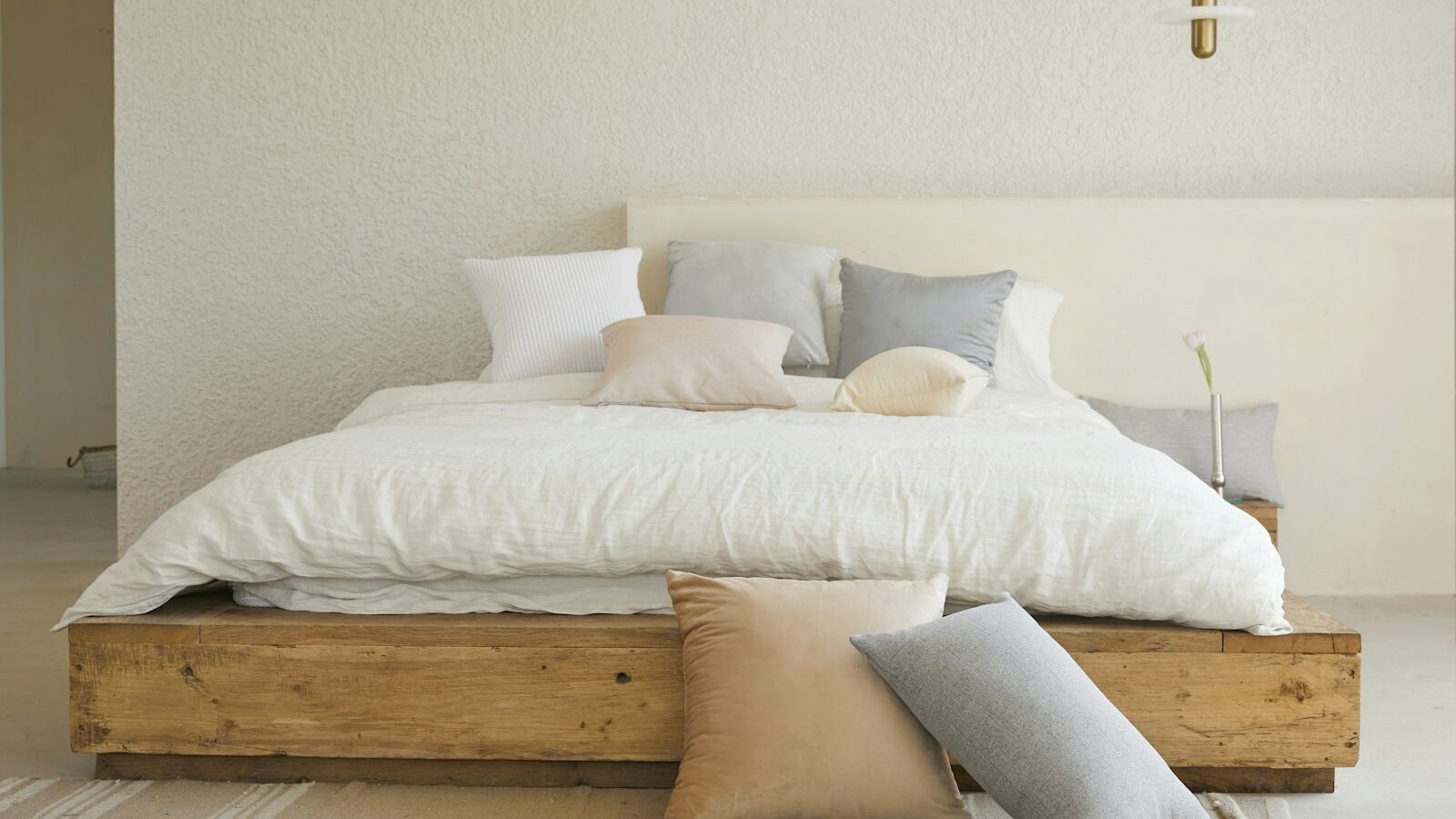
In a fast, polished city, there is deep appeal in a home that feels calm, grounded and quietly imperfect. A wabi sabi interior embraces natural materials, gentle imperfection and warm, understated minimalism to create exactly that kind of sanctuary. Here is what the style really means and how to bring its restful spirit into a Singapore flat.
What Wabi-Sabi Really Means
Wabi sabi is a Japanese aesthetic that finds beauty in imperfection, impermanence and the natural passing of time. Rather than chasing the flawless and the brand new, it celebrates the weathered, the handmade and the honest. A cracked glaze on a bowl, the grain of raw timber, the soft fade of natural linen: these are not flaws to hide but qualities to treasure.
In interiors, this translates into a warm, pared back look that feels lived in and human. It shares minimalism’s love of calm and space, but where pure minimalism can feel cold and clinical, wabi sabi is soft, tactile and forgiving. That warmth is why many people now describe the look as warm minimalism.
The Core Principles
A few ideas guide the whole style.
- Embrace imperfection. Handmade, uneven and worn pieces have character.
- Favour natural materials. Wood, stone, clay, linen and cotton over plastic and high gloss.
- Keep a muted, earthy palette. Think warm whites, sand, clay, taupe and soft greys.
- Value empty space. Restraint and breathing room are part of the beauty.
- Choose quality over quantity. Fewer, meaningful pieces rather than many.
Why It Suits Singapore Homes
The style is a natural antidote to city life. It calms a busy mind and asks little of a compact flat, since it thrives on restraint rather than abundance. Natural textures also read as warm and inviting in our humid climate, and the earthy palette pairs well with the greenery so many of us grow indoors. Best of all, wabi sabi forgives an imperfect home, which is a relief for anyone living in a flat with a few honest signs of age.
Build a Warm, Earthy Palette
Start with the walls and large surfaces. Choose warm, off white and beige tones with a soft, matte finish rather than a shiny one. Layer in earthy accents: clay, terracotta, muted olive, warm greys and soft browns. Avoid stark bright white and cold blue greys, which pull the room towards clinical minimalism. A limewash or textured paint effect, where you are allowed to apply one, adds subtle depth that suits the look perfectly.
Layer Natural Textures
Texture does the heavy lifting in a wabi sabi interior, because the palette is quiet. This is what stops a muted room from feeling flat.
Materials to reach for
- Raw or lightly finished timber for tables, shelves and stools.
- Natural linen and cotton for curtains, cushions and bedding, creases welcome.
- Handmade ceramics and stoneware in imperfect, organic shapes.
- Stone, clay and rattan for accents, planters and small furniture.
- Woven jute or wool rugs to ground the space.
Mixing several natural textures in similar earthy tones creates a rich, calming layered effect without needing bold colour.
Comparing the Two Minimalisms
It helps to see how warm minimalism differs from the cooler, stricter version.
| Aspect | Cool minimalism | Wabi-sabi warm minimalism |
|---|---|---|
| Palette | Bright white, cool grey | Warm white, clay, taupe |
| Materials | Glass, metal, high gloss | Wood, linen, clay, stone |
| Finish | Sleek and perfect | Matte, handmade, imperfect |
| Feeling | Sharp and pristine | Soft, calm and lived in |
| Objects | Few and hidden | Few, meaningful, on show |
Choose Fewer, Better Things
At its heart, wabi sabi is about editing. Rather than filling shelves, choose a small number of pieces you genuinely love and let them breathe. A single handmade vase on an empty console says more than a crowded display. This restraint is a gift in a small flat, where every object competes for space. When you shop, favour natural materials, honest craftsmanship and items that will age gracefully rather than perfect, mass produced pieces that look tired the moment they scuff.
Let In Soft, Natural Light
Light shapes the mood of a wabi sabi home. Aim for soft, diffused daylight by day and a warm, low glow by night. Sheer linen curtains filter harsh sun beautifully and suit the natural palette. In the evening, choose warm toned bulbs and layer a few gentle light sources, such as a paper shade lamp or a small table light, rather than one bright ceiling fixture. The goal is a calm, shadowy warmth rather than a flat, even brightness.
Add Life and Imperfection
Nature and time are central to the style, so bring both indoors. A branch in a simple vase, a leafy plant, a bowl of stones or a piece of driftwood all echo wabi sabi’s love of the natural world. Do not over style. A slightly wonky handmade mug, a linen throw left casually folded, a well worn wooden board: these small imperfections are the whole point. The look should feel unforced, as though the home simply settled into itself over time.
Keep It Practical for Daily Life
A calm home still has to work. Build in quiet storage, such as a timber cabinet or woven baskets, so everyday clutter has somewhere to disappear. Choose durable natural finishes that will age well with use rather than delicate ones that stain at the first spill. And resist the urge to buy a whole new set of things at once. Wabi sabi rewards a slow, considered approach, so let the home evolve piece by piece as you find items that truly belong.
Bring It Together
A wabi sabi interior asks you to slow down and value calm, natural and imperfect beauty over shine and excess. Start with a warm, earthy palette, layer plenty of natural textures, choose fewer meaningful pieces and let soft light and living things finish the room. Do that, and your Singapore home becomes a grounded, restful retreat that feels genuinely human, imperfections and all.
Explore more: Japandi interior design for HDB flats · Muji style minimalist home · Interior design styles in Singapore