
Surrounded by sea and dotted with reservoirs, Singapore is far better set up for water sports than many residents realise. From a first kayak paddle on a calm reservoir to dragon boat training in the open channel, the range of water sports Singapore offers means there is an entry point for almost every age and fitness level. Many activities are cheap to try once, run from public facilities, and need no gear of your own to begin. This guide covers the main options, where to do them, and how to start safely without spending a fortune on equipment you may not use again.
The Main Water Sports to Try
Water sports here fall into a few broad families, each with a different pace and learning curve.
- Flatwater paddling. Kayaking and stand-up paddleboarding (SUP) on reservoirs and sheltered coasts are the gentlest entry. You can be moving competently within an hour.
- Team paddling. Dragon boat and outrigger canoeing are social, physical and hugely popular, often run through clubs with fixed training slots.
- Wind and sail. Sailing, windsurfing and kitesurfing depend on the breeze and take longer to learn, but reward patience with genuine skill.
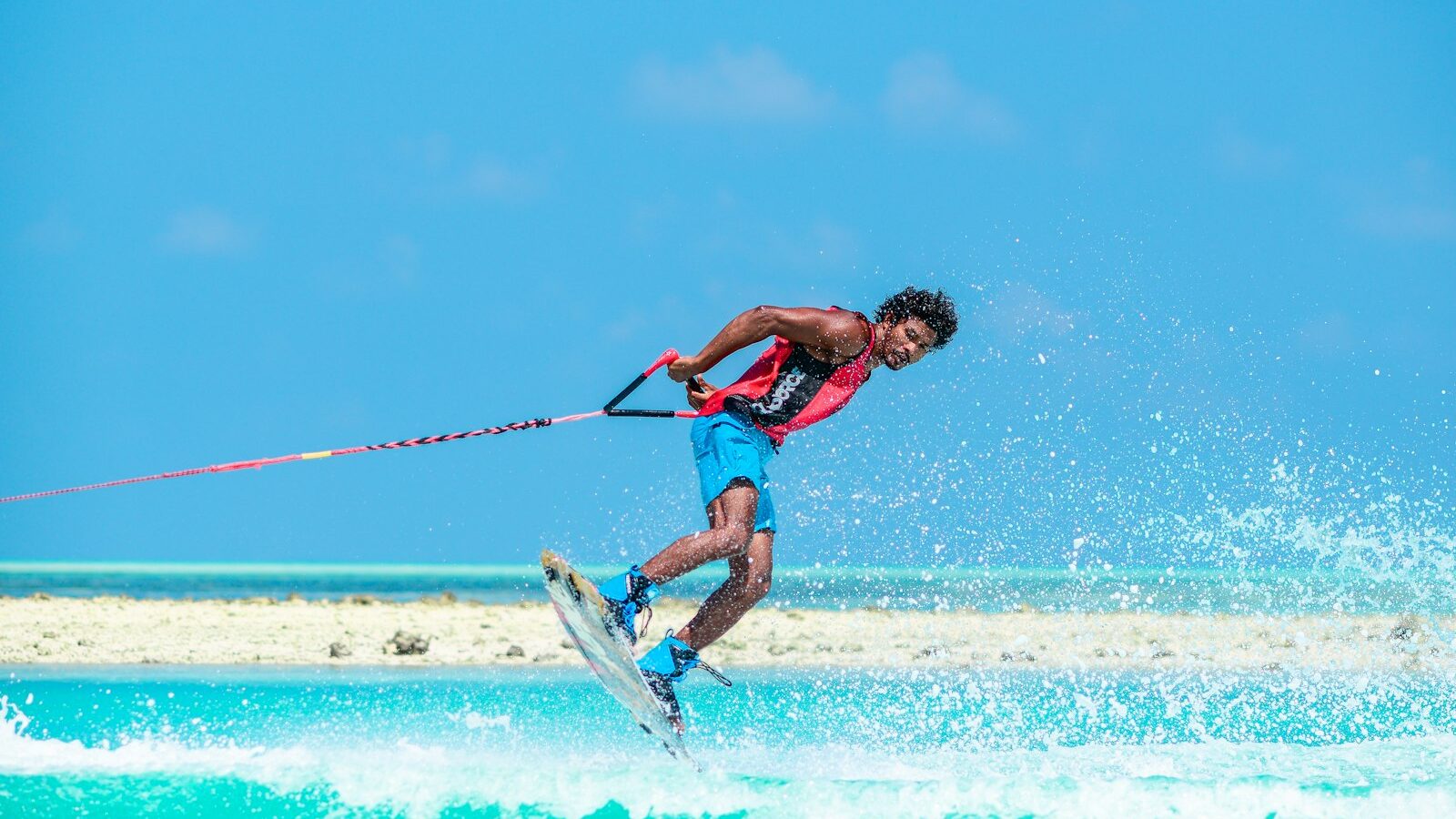
- Powered and towed. Wakeboarding and water skiing use a cable park or a boat, giving an adrenaline hit with a steeper cost.
- Under the surface. Scuba diving and freediving courses run out of local dive centres, usually with pool sessions before any open water.
You do not have to commit to one. Many residents dabble across several before settling on a favourite.
Where to Get on the Water
Singapore concentrates its water sports in a handful of well-known spots, most reachable by public transport.
The East Coast Park stretch is the busiest hub, with kayak and SUP rentals, a cable ski park nearby, and calm coastal water for beginners. MacRitchie and the other reservoirs offer sheltered, motor-free paddling that suits nervous first-timers and families. Kallang and the Marina area host dragon boat and canoe clubs, with the wide basin giving room for team training. For sailing and windsurfing, clubs around Changi and the East Coast run courses and hire out dinghies once you are certified.
ActiveSG and SportSG facilities also run introductory programmes at accessible prices, which is often the cheapest legitimate way to try a structured lesson rather than just renting gear. Booking usually happens online, and popular weekend slots fill quickly, so plan ahead.
Comparing Your Options
Costs, difficulty and how social each sport is vary a lot. The table below gives a rough sense of where each sits, to help you pick a starting point.
| Activity | Ease for beginners | Rough cost to try | Best venue type |
|---|---|---|---|
| Kayaking | Easy | Low | Reservoir, East Coast |
| Stand-up paddleboarding | Easy | Low | Reservoir, calm coast |
| Dragon boat | Moderate | Low via club | Kallang, Marina |
| Sailing | Harder, needs a course | Moderate | Changi, East Coast |
| Wakeboarding | Moderate | Higher | Cable ski park |
| Scuba diving | Moderate, needs certification | Higher | Dive centre plus pool |
Prices shift with operators, seasons and whether you own gear, so treat these as relative rather than fixed. Confirm current rates directly with the venue or club before booking.
Starting Safely and Building Skill
Water carries real risks, and a little caution keeps a fun day from turning serious. A few habits matter regardless of which sport you choose.
- Always wear a personal flotation device. For paddling and towed sports, a properly fitted life jacket is not optional, even if you swim well.
- Learn the venue’s rules. Reservoirs, the sea and cable parks each have their own zones, signals and hours. Watch the flags and listen to staff.
- Check the weather and tides. Thunderstorms build fast in Singapore, and lightning over open water is dangerous. Come off the water at the first rumble of thunder.
- Start supervised. Book an introductory lesson or join a club session rather than heading out solo on your first go. Instructors catch bad habits early.
- Mind the sun and heat. Reflected glare off water burns quickly. Use water-resistant sunscreen, a hat and plenty of drinking water.
Being a confident swimmer helps enormously, and if you are not one yet, that is worth fixing first. If you have a heart condition, are pregnant, or have concerns about a strenuous new activity, check with a doctor before you begin, especially for the more demanding sports. This is general information and not personalised medical advice.
Making It a Regular Part of Life
The residents who stick with water sports tend to treat them as a routine rather than a one-off novelty. Joining a dragon boat or paddling club gives you a fixed schedule, a group that expects you, and shared equipment, which removes the two biggest barriers of cost and motivation. If clubs are not your style, keeping a paddle session as a standing weekend fixture works just as well. Rotating between a gentle reservoir paddle on tired days and a harder open-water or cable session when you have energy keeps things fresh.
Water sports also pair naturally with the rest of an active lifestyle. The core and shoulder strength you build from paddling carries over to swimming and climbing, while the cardio base from running or cycling makes long sessions on the water feel easier. Once you are comfortable on the water, Singapore’s compact geography means you are rarely far from the next thing to try.
Explore more
If getting on the water has whetted your appetite for staying active, our guide to swimming complexes in Singapore is a natural next step and helps you build the water confidence these sports reward. You can also cross-train on land with our running routes guide or learn how to make the most of ActiveSG facilities, which run many affordable introductory water programmes.