
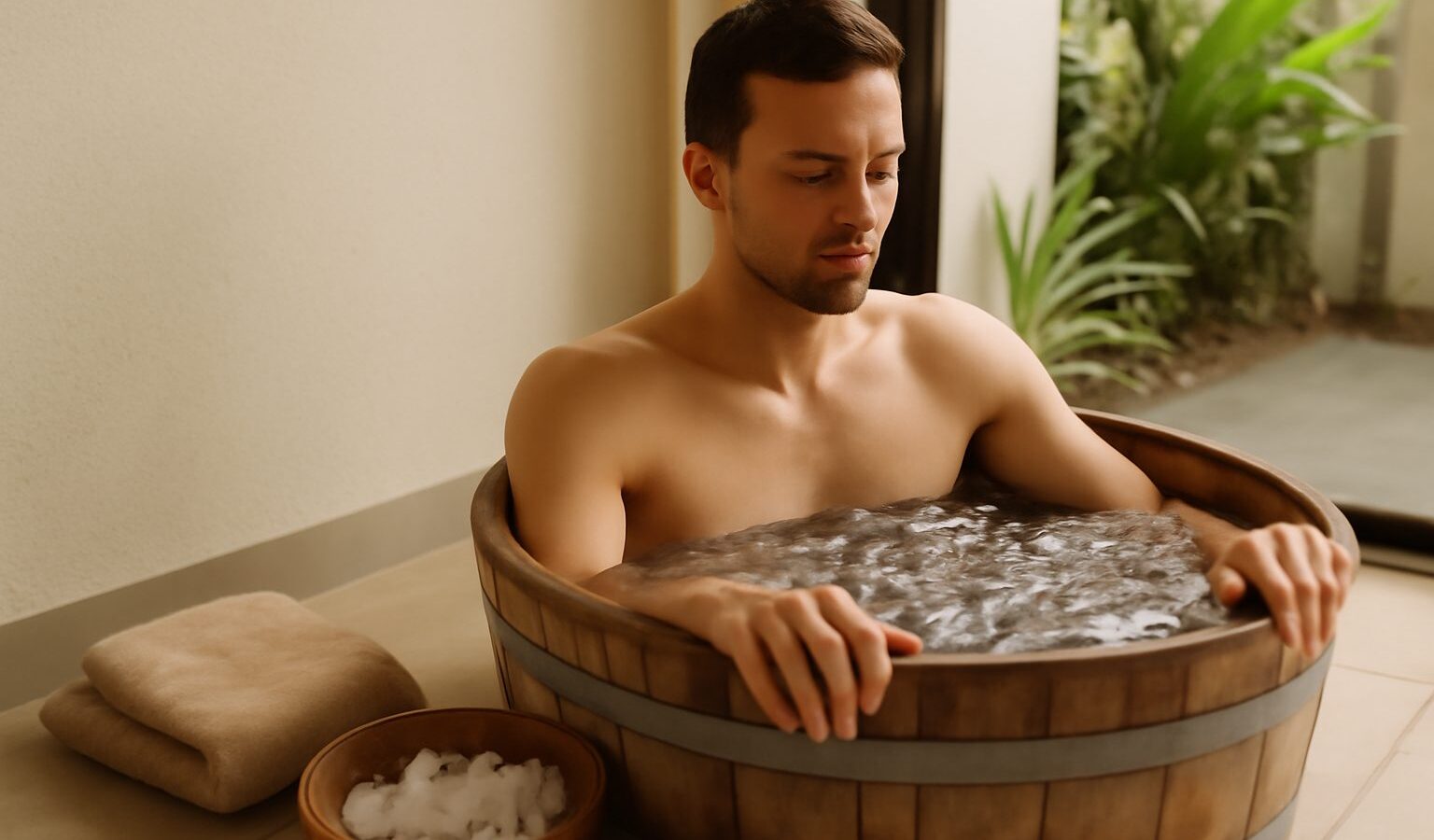
Cold water therapy, from a brisk cold shower to a full ice bath, has surged in popularity, with athletes and influencers alike plunging into freezing water and swearing by it. The promise is faster recovery, less soreness and a sharper mind. In warm, humid Singapore, a cold plunge can feel especially inviting after a sweaty session. But how much of the hype holds up, and is it safe for everyone? The honest picture is mixed: cold exposure can ease soreness and feels refreshing, but it carries real risks and is not for everybody. This guide explains what cold water therapy can and cannot do, and how to approach it sensibly.
This is general wellbeing information, not medical advice. Cold immersion is not suitable for everyone. If you have a heart condition, high blood pressure, circulation problems, or are pregnant, check with your doctor before trying it. Never do cold exposure alone in open water, and stop at once if you feel unwell.
What Cold Water Therapy Involves
Cold water therapy, also called cold exposure or cold hydrotherapy, means deliberately exposing your body to cold water for a short time. It ranges from the gentle to the extreme: a cold shower at the end of your normal wash, immersing your legs in cold water, a cold plunge or ice bath where you sit in water chilled with ice, or contrast therapy that alternates hot and cold.
When you hit cold water, your body reacts sharply. Blood vessels near the skin narrow, your breathing quickens, and your heart rate jumps in what is known as the cold shock response. Advocates believe this, followed by the rewarming afterwards, helps reduce inflammation and soreness and leaves you feeling alert and refreshed. The subjective “feel good, wide awake” effect is one of the most consistent things people report.
What the Evidence Actually Shows
The research on cold water therapy is genuinely mixed, so it pays to be honest about it.
- May reduce muscle soreness. There is reasonable evidence that cold immersion after hard exercise can lessen the delayed onset muscle soreness described in our guide to understanding muscle soreness and DOMS, at least in the day or two afterwards.
- Feels refreshing and alerting. Many people find it a genuine mood and alertness boost, which is a real benefit even if hard to measure.
- May blunt some training gains. Here is the catch: regularly using ice baths straight after strength training may slightly reduce muscle and strength adaptations, because some inflammation is part of how muscles get stronger. If building muscle is your goal, do not ice every session.
- Not a cure-all. It will not fix an injury or replace the basics. The strongest recovery tools remain sleep, nutrition and sensible training.
The sensible takeaway is that cold water therapy is an optional extra that some people enjoy and find helpful for soreness, not an essential you are missing out on.
Cold Water Therapy Compared With Gentler Recovery
Cold immersion is one of many recovery options, and it is far from the only or the safest one. This comparison puts it in context.
| Method | What it offers | Main caution |
|---|---|---|
| Ice bath or cold plunge | May reduce soreness, feels refreshing | Cold shock risk; unsafe for some health conditions |
| Cold shower | Milder cold exposure, easy and low risk | Modest effect; still a shock if very cold |
| Gentle active recovery | Aids circulation and mood, whole-body, free | Takes more time than a quick plunge |
| Rest and sleep | The foundation of all recovery, no risk | Requires patience |
For most people, the gentler options do the job with none of the danger. A foam rolling for recovery session, an easy active recovery walk, and above all the down time covered in why rest days matter will carry you further than any ice bath. Cold therapy is the optional garnish, not the meal.
The Safety Risks You Must Take Seriously
This is the most important section, because cold water can be genuinely dangerous if treated carelessly.
- Cold shock is real. The sudden gasp and rapid breathing when you hit cold water can cause you to inhale water or panic. This is why you ease in and never plunge headlong.
- Some people should not do it. If you have a heart condition, high blood pressure, circulation disorders, Raynaud’s, or are pregnant, cold immersion can be risky, so speak to your doctor first. When in doubt, do not.
- Never do it alone in open water. Cold shock and cramping cause drownings. Reservoirs, the sea and other open water are not places for solo cold plunges. Cold exposure at home should be somewhere you can get out easily and, ideally, with someone nearby.
- Keep it short. A few minutes is plenty. Longer exposure risks your core temperature dropping too far, which is dangerous. Prolonged cold can lead to hypothermia.
- Watch how you feel. Numbness beyond mild, shivering that will not stop, dizziness, or feeling faint mean get out and rewarm gradually.
Cold water therapy is not a competition to endure the longest or the coldest. Respect it, and it stays a manageable practice; treat it as a dare, and it becomes a hazard.
How to Try It Sensibly in Singapore
If you have no contraindications and want to give it a go, start gently and build up. There is no need for ice or special equipment to begin.
- Start with a cold shower. Finish your normal shower with thirty seconds to a minute of cold water. This is the easiest, lowest-risk entry point.
- Breathe and stay calm. Focus on slow, steady breathing to manage the initial cold shock, and never hold your breath.
- Keep sessions brief. If you progress to a cold bath, a few minutes is more than enough. Longer is not better and carries more risk.
- Rewarm gradually. Dry off, put on warm clothes and let your body warm up naturally. Gentle movement helps.
- Time it around your goals. If your priority is building strength, avoid icing straight after lifting; save any cold immersion for rest days or well after training.
Given our climate, plain tap water is already fairly warm, so a genuine cold plunge here usually needs ice, which makes home setups fiddly and easy to overdo. For most people in Singapore, a cool or cold shower gives much of the refreshing effect with almost none of the danger. Used cautiously, within your health limits and never alone in open water, cold water therapy can be a pleasant, alerting addition to your routine, but it is a bonus on top of the real work of training, eating and sleeping well, not a substitute for any of it.