
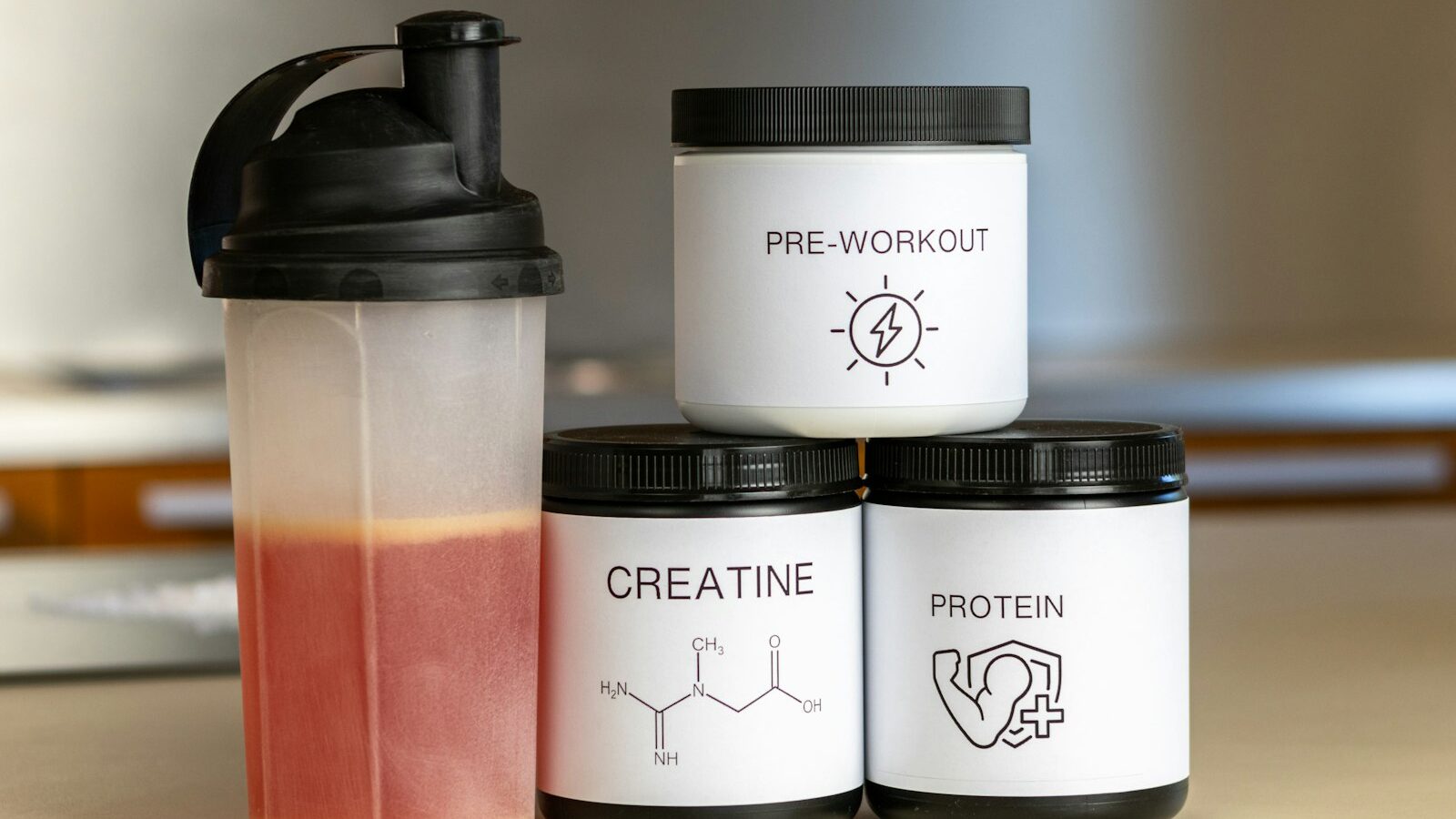
If you have spent time in a gym, you have probably seen someone sipping a brightly coloured drink before training and swearing it gives them energy. That drink is usually a pre-workout, and pre workout supplements have become one of the most popular and most misunderstood products in fitness. This guide explains what they actually are, what is inside them, and how to approach them safely, with a clear-eyed view for readers in Singapore.
The single most important thing to understand up front is that the main active ingredient in most pre-workouts is caffeine, often in a hefty dose. That shapes everything about who should use them and who should steer well clear. This is general information, not medical advice.

What Is Actually Inside
A pre-workout supplement is a blend, usually a powder you mix with water, designed to be taken shortly before exercise to boost energy, focus and perceived performance. The exact recipe varies between products, but a few ingredients turn up again and again.
- Caffeine. The main event, and the reason most people feel anything. It is a stimulant that increases alertness and can make effort feel easier.
- Amino acids and other compounds. Ingredients such as those aimed at reducing fatigue or supporting short bursts of effort, with varying levels of evidence behind them.
- Flavourings and sweeteners. To make the mix palatable.
- A tingling agent. Some products include an ingredient that causes a harmless skin tingle, which people often mistake for the product working.
The honest reality is that the noticeable kick from most pre-workouts comes down to the caffeine. Much of the rest is a mix of ingredients with modest or inconsistent evidence. That does not make them useless, but it does mean you are often paying a premium for a fancy caffeine delivery system.
The Caffeine Catch
Because caffeine is the engine, its downsides are the real story with pre-workout. The doses in some products are substantial, at times equivalent to several cups of coffee in one scoop, and that carries genuine considerations.
Caffeine affects people very differently depending on their sensitivity, body size and habits. For some it sharpens a session; for others the same amount brings jitters, anxiety, a racing heart, nausea or a headache. It can also raise heart rate and blood pressure, which is why anyone with heart concerns needs to be especially cautious and check with a doctor first.
Timing matters too. Caffeine lingers in your system for hours, so an evening session fuelled by pre-workout can wreck your sleep, and poor sleep quietly undermines the very fitness you are training for. Given how much sleep affects recovery, this trade-off is easy to underestimate, and it connects to why rest days matter for genuine progress. In our climate there is a further point: stimulants and intense heat both stress the body, so hydrate well and be sensible about training hard outdoors in the midday sun.
Do You Actually Need One
For most people, the honest answer is no. A pre-workout is a convenience and a nudge, not a requirement, and there are simpler, cheaper ways to arrive at a session ready to train. The table below weighs it against the everyday alternatives.
| Option | Energy boost | Cost | Best for |
|---|---|---|---|
| Commercial pre-workout | Strong, from high caffeine | Higher | Those wanting a big stimulant hit |
| A cup of coffee | Moderate and familiar | Low | A simple, controllable lift |
| A small snack | Steady fuel, no stimulant | Very low | Training on an empty stomach |
| Good sleep and food | The real foundation | Free | Everyone, every session |
Notice the last row. No supplement compensates for being under-slept and under-fuelled, and a decent night’s rest with a light carbohydrate snack beforehand does more for most sessions than any tub. If you simply want a lift and tolerate caffeine well, a plain coffee gives you a controllable dose at a fraction of the price. Your energy also depends on eating enough overall, which eating for muscle gain covers for those training hard.
Using Pre-Workout Safely
If you have decided a pre-workout suits you and you tolerate caffeine well, a few habits reduce the risks.
- Start with a small amount. Try well under the suggested serving first to gauge your sensitivity, rather than diving into a full scoop.
- Check the caffeine content. Read the label so you know exactly how much you are taking, and count any other coffee or tea that day.
- Avoid it later in the day. Keep it to morning or early sessions so it does not sabotage your sleep.
- Buy from reputable sources. Choose established brands and trusted retailers, and be wary of products with enormous stimulant doses or wild claims.
- Never mix stimulants. Do not stack it with other high-caffeine drinks or stimulants.
We are deliberately not prescribing specific doses here, because safe amounts depend on your body, your caffeine habits and your health. Follow the label, listen to how you feel, and stop if you experience anything that worries you.
Who Should Avoid It
Pre-workout is genuinely not for everyone, and some people should skip it entirely. Avoid it, or check with a doctor or pharmacist first, if you are pregnant or breastfeeding, sensitive to caffeine, on any medication, or live with a heart condition, high blood pressure, anxiety, or any other health condition. Young people and anyone with sleep problems should be especially cautious. If in doubt, do not take it.
Because supplements are not regulated as tightly as medicines, ingredients and doses vary, so defer to the Health Sciences Authority and qualified professionals on product safety rather than marketing. The bottom line is simple. Pre workout supplements are essentially a strong, expensive caffeine drink with extras of mixed value. They are optional, carry real considerations because of that caffeine, and are never a substitute for the fundamentals of consistent training, sensible eating and proper rest, the same fundamentals behind building your first workout routine.
Explore more: Do you need protein powder · Is creatine worth it · Eating for muscle gain · Why rest days matter
Frequently Asked Questions
Is pre-workout safe to take on an empty stomach? It can feel harsher, since a strong stimulant on an empty stomach may cause jitters or nausea in some people. Starting with a small amount and having a light snack may help. If it upsets you, skip it.
How long before training should I take a pre-workout? Follow the label of your product, as timings vary. Most are taken a short while before exercise. Avoid it for evening sessions, since caffeine can stay in your system for hours and disturb sleep.
Is coffee just as good as a pre-workout drink? For many people, yes. Caffeine is the main active ingredient in most pre-workouts, and coffee gives a familiar, controllable dose at lower cost. Check how much caffeine you are taking from all sources.
What are the signs I am having too much caffeine from pre-workout? Jitters, a racing or pounding heart, anxiety, nausea, headaches and trouble sleeping are common signs. Stop taking it and rest, and seek medical help if you feel chest pain or very unwell.
Can teenagers use pre-workout supplements? They are best avoided by young people, because of the high caffeine content. Food, good sleep and consistent training do more. If a teenager is interested, speak with a doctor first.
Official sources: Health Sciences Authority (HSA)