
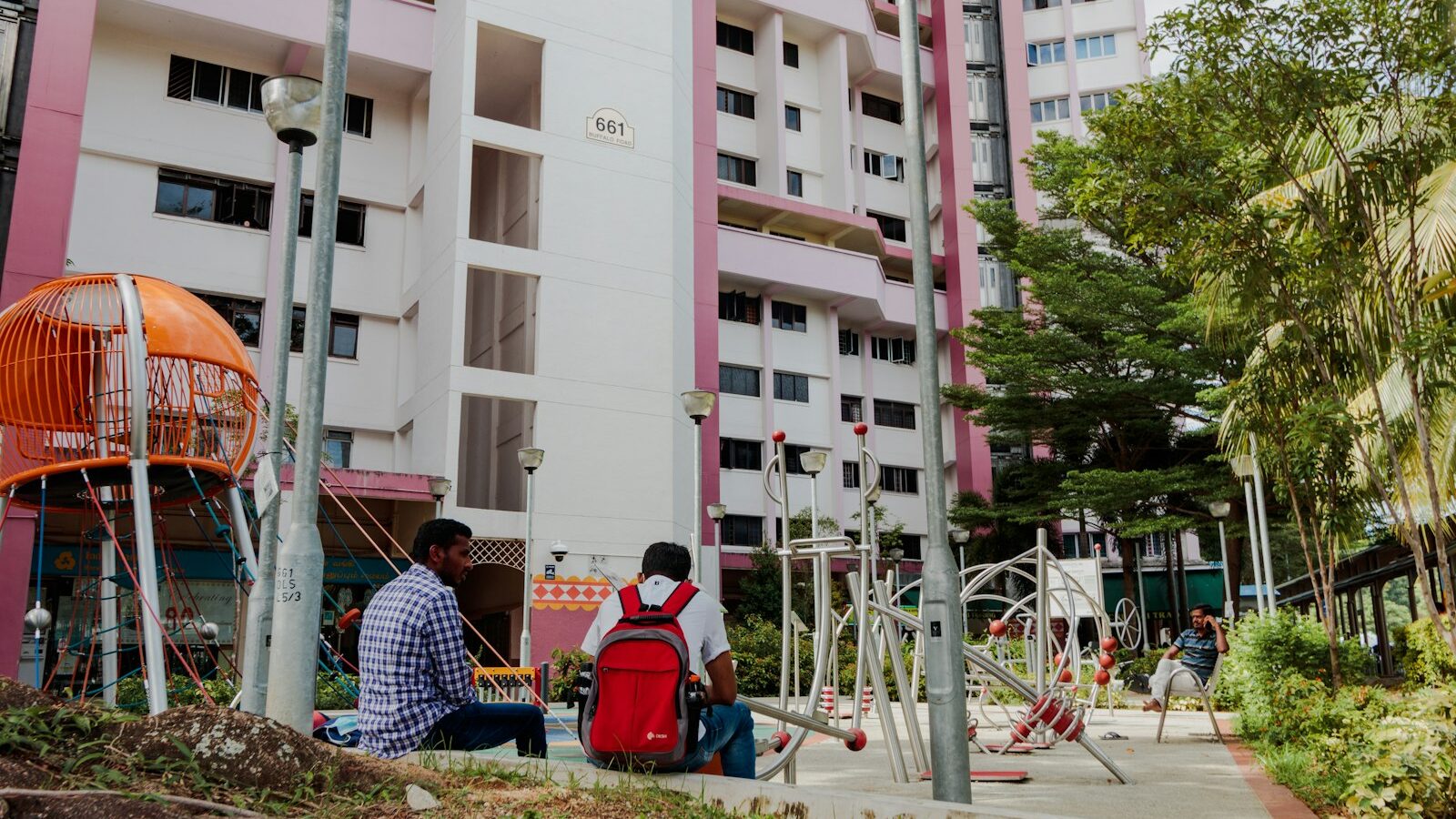
It is one of the most searched and least understood questions among flat owners in Singapore. Your HDB flat sits on a lease, usually 99 years, and that lease has an end date. So what actually happens when your HDB lease runs out? The short answer is straightforward, even if it is uncomfortable: the lease expires, and the flat and the land it sits on return to the state. This guide explains what that means, why it matters long before expiry, and how to plan sensibly.
First, an important note. This is general information, not financial, legal or property advice. Rules on financing, CPF usage and any redevelopment schemes are set by the authorities and change over time. For decisions about your own flat, check the current position with HDB and speak to the right professional.
The Simple Truth About Lease Expiry
When people buy an HDB flat, they are really buying the right to live in it for the remaining years of the lease. They do not own the land forever. When the lease reaches zero, ownership of the flat and the land reverts to the state, which in practice means HDB as the leaseholder on behalf of the Government.
This is not a loophole or a hidden penalty. It is how a leasehold works, and it applies to the vast majority of flats. A few things follow from it:
- There is no automatic renewal or top-up that owners can simply request at the end. An ageing flat is a wasting asset, and its remaining lease shrinks every year.
- The flat is returned in an orderly way. HDB and the authorities plan the redevelopment of land whose leases are ending; residents are not left in limbo overnight.
- Most owners will move long before expiry, because a 99-year lease is longer than most people’s time in one home. The end of the lease is a real event, but it usually arrives many decades away.
Understanding this simple truth is the foundation for every other decision about an older flat.
Why It Matters Long Before The End
You do not need to be near lease expiry for the running-down clock to affect you. The effects show up decades earlier, mainly through financing, CPF and resale.
- Loans depend on remaining lease. How much a buyer can borrow is influenced by how many years are left when they buy. The rules are set by MAS and the banks and change from time to time, so never assume an old figure still applies.
- CPF usage is affected too. How much of your CPF savings you can put towards a flat is linked to the lease covering the youngest buyer to a certain age. The CPF Board sets these rules; check the current position with them, and see our guide on using CPF for your monthly instalments for how CPF fits into ownership.
- Resale gets harder as the lease shortens. A shorter lease limits who can buy and how they can pay, which can affect how quickly a flat sells and at what price. Our explainer on lease decay and property value covers how prices tend to behave.
The table below gives a general sense of how considerations shift as a flat moves through its lease. It is illustrative only and not a statement of any rule or value.
| Stage of lease | General financing picture | What owners often weigh |
|---|---|---|
| Long lease left | Widest access to loans and CPF, subject to current rules | Living, upgrading, growing a family |
| Middle of the lease | Financing still broad but the clock is noticed | Whether to hold, sell or right-size |
| Shorter lease left | Loan and CPF limits tighten under current rules | Resale demand, suitability for older owners |
| Near expiry | Financing is very limited | Planning the eventual move and next home |
Will SERS Or VERS Save My Flat?
This is the hope many owners hold onto, and it needs a clear, honest answer. SERS, the Selective En bloc Redevelopment Scheme, and VERS, the Voluntary Early Redevelopment Scheme, are two routes by which the Government may buy back and redevelop ageing flats before the lease fully expires. Both exist, but neither is a guarantee for any particular block.
- SERS is rare and offered only to a small number of selected sites. You can read more in our guide to understanding SERS.
- VERS is voluntary and long-term, aimed at many ageing precincts over the coming decades, with residents voting on whether to proceed. Our explainer on VERS and aging leases sets out how it is meant to work.
The safe way to plan is to assume no scheme will be offered to your block, because most will simply live out their lease. If a scheme does come, treat it as a bonus rather than a plan. Never buy, hold or overpay for a flat on the assumption that SERS or VERS will step in, and never treat any older flat as a “sure” bet. Property can fall as well as rise.
Planning Ahead Without Panic
None of this means an ageing flat is a bad home. Many mature estates are central, spacious and well connected. The goal is to plan calmly with the lease in mind.
- Know your numbers. Find out exactly how many years remain on your lease. HDB records this and it appears in transaction documents.
- Match the flat to your stage of life. A shorter lease may suit an older owner intending to stay put, while a young family may prefer a longer runway. If you are weighing formats, our comparison of HDB versus condo can help.
- Budget honestly. Factor the lease into any purchase and resale expectation, and do not stretch your finances on optimistic assumptions.
- Get the right advice. Speak to a bank or a MAS-regulated mortgage adviser for loans, the CPF Board for CPF rules, a conveyancing lawyer for legal and ownership matters, and HDB for eligibility, lease and any scheme.
Where To Check The Real Rules
Because financing rules, CPF limits and redevelopment schemes all change, do not rely on old news or word of mouth. The authorities to trust are HDB for the flat, the lease and the schemes, the CPF Board for CPF usage, MAS for loan limits, and URA for planning and redevelopment context. A conveyancing lawyer can advise on the legal side of any purchase or sale.
When your HDB lease runs out, the flat returns to the state, and that reality should shape decisions long before the final year. Understand your remaining lease, plan for the home you actually own rather than a scheme you hope for, and confirm the current rules with the official sources before making any major move.
Related across Sky Media: Understanding Your HDB Lease and MOP as a PR · The HDB Lease Buyback Scheme Explained: A Guide for Seniors