
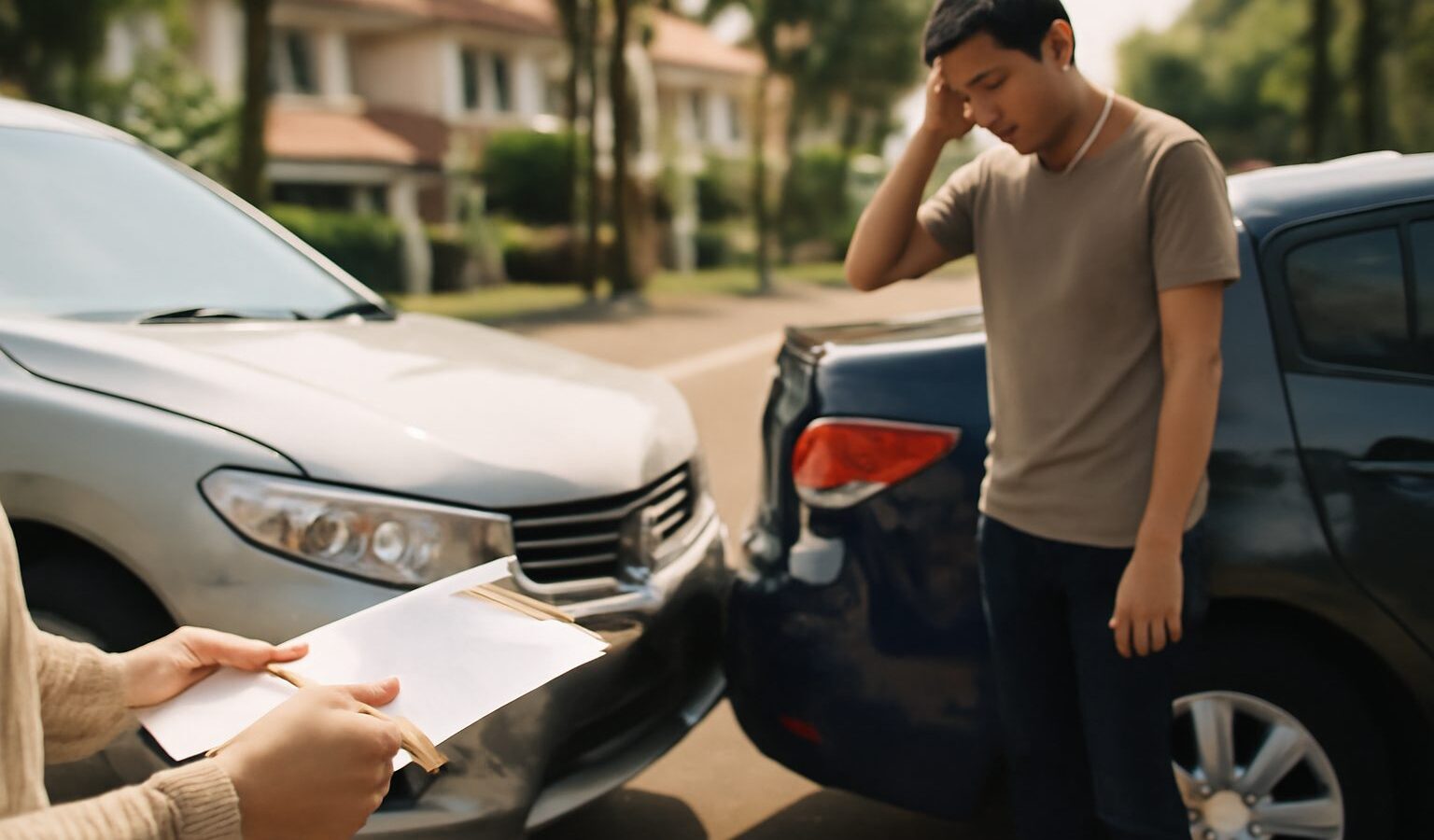
A collision, even a minor one, is a jolt, and it is hard to think clearly when your heart is pounding. Knowing the steps in advance is what keeps a car accident singapore drivers dread from turning into a worse mess than it needs to be. The priorities are simple and in order: keep everyone safe, gather what you need, and follow the correct reporting process afterwards. This guide walks through those steps calmly and practically. It is general guidance, not legal advice, and because the exact requirements for reporting and claims can change, always confirm the current rules with the Traffic Police, the Land Transport Authority (LTA) and your own insurer.
The First Few Minutes: Safety Before Anything Else
Before you think about damage, blame or claims, look after people. Stop your vehicle; leaving the scene of an accident is a serious matter. Take a breath, then check yourself and your passengers for injuries, and check on anyone in the other vehicle or any pedestrians involved. If anyone is hurt, call 995 for an ambulance straight away, and call the police where the situation requires it, such as when there are injuries or the road is blocked.
Next, make the scene safe so a small incident does not become a bigger one. Switch on your hazard lights. If the vehicles are drivable and it is safe to do so, and there are no injuries, moving them out of live traffic to the side reduces the danger to everyone, though you should photograph the positions first if you can. If the cars cannot be moved or anyone is hurt, leave them where they are and keep well clear of moving traffic while you wait for help. Do not stand in a live lane to argue or inspect damage.
Documenting the Scene and Your Dashcam Footage
Once everyone is safe, gather evidence while it is fresh, because a good record is your best protection later. Use your phone to take clear photographs from several angles: the damage to each vehicle, the wider scene showing the position of the cars, the road markings and traffic lights, any skid marks or debris, and the number plates of every vehicle involved. If there are visible injuries or property damage such as a broken barrier, capture those too.
If you have a dashcam, this is where it earns its keep. Note the time so you can find the clip, and protect or save the footage before it is overwritten by the loop recording, because that video is often the clearest evidence of what actually happened. Look around for witnesses and, if anyone is willing, take down their contact details. All of this documentation feeds directly into the reporting and claims steps that follow, so a few careful minutes now saves a great deal of dispute later.
Exchanging Particulars With the Other Driver
You and the other driver should exchange the information each of you will need. Stay calm and businesslike; this is not the moment to argue over fault, and admitting or assigning blame at the roadside can complicate your insurance position. Simply collect and share the essentials.
- Full name and contact number of each driver.
- Vehicle number plates and the make and model of each vehicle.
- The name of each driver’s insurance company.
- The identity of the vehicle owner, if different from the driver.
Keep the exchange brief and factual. If the other party is aggressive, refuses to cooperate, or you suspect something is off, do not force a confrontation; note what you can, rely on your photos and dashcam, and let the proper process handle the rest.
When Police Reporting Is Needed and How Reporting Works
Not every knock requires the police at the scene, but certain situations do, and the requirements can change, so this is an area to verify. As a general guide, you should involve the police in cases such as injuries or a fatality, a hit-and-run, damage to public property, when a foreign-registered vehicle is involved, or where a driver appears to be drink-driving or otherwise committing an offence. When in doubt about whether a case needs a police report, check the current guidance from the Traffic Police.
Separately from any police report, there is the insurance reporting process. In Singapore, drivers are generally required to report an accident to their own insurer within a set window, and this reporting is often done at an authorised reporting centre, where the vehicles can be inspected and the details recorded properly. The important point is that you should report even if the damage looks minor and even if you do not intend to claim, because failing to report within the required time can affect your No Claim Discount or your ability to claim later. Your insurer will tell you which reporting centre to use and what to bring.
| Situation | What to do |
|---|---|
| Someone is injured | Call 995, do not move the injured, involve the police as required |
| Minor damage, both cars drivable, no injury | Photograph positions, move to safety, exchange particulars, report to insurer |
| Hit-and-run or the other driver flees | Note the plate, save dashcam footage, make a police report |
| Damage to public property (railing, lamp post, kerb) | Report to the police as required |
| Foreign-registered vehicle involved | Involve the police and check the current requirements |
| Other party pressures you to settle on the spot | Decline, exchange particulars, and report through the proper channels |
Reporting to Your Insurer and the Claims Process
Contact your insurer as soon as you reasonably can, within the required window, and follow their instructions on using an authorised reporting centre. Bring your identification, your vehicle documents, the photographs and dashcam footage, and the particulars you collected. At the reporting centre, the vehicle is typically inspected and the accident details are logged, which starts the claims process cleanly. If your car needs repair, your insurer can usually direct you to an approved workshop, which helps keep the claim straightforward. Because timelines, forms and centre locations can change, confirm the current process with your insurer directly.
Keep copies of everything you submit and note the reference numbers you are given. A tidy paper trail makes the whole process smoother if any question arises about the claim later on.
Avoiding Roadside Settlement Scams and Touts
A car accident singapore drivers face can attract opportunists. Be wary of anyone who turns up quickly and urges you to settle in cash on the spot, or who pressures you to use a particular workshop, tow truck or “reporting” service they conveniently recommend. Roadside settlements can leave you exposed: hidden damage may surface later, and an informal cash deal offers you no protection if the other party changes their story. Touts may also inflate repair costs or steer you into inflated claims that create problems down the line.
The safe path is the boring one. Decline on-the-spot settlements, do not sign anything you do not understand, and route everything through your insurer and, where required, the police. If a tow is needed, use your insurer’s recommended service where possible. Requirements and best practice can shift over time, so keep your insurer’s hotline saved in your phone and check the current guidance from the Traffic Police and LTA, so that on the day, you can stay calm and simply work through the steps.
Explore More
The aftermath of a knock leans heavily on being prepared. Read Car Insurance in Singapore to understand coverage, excess and your No Claim Discount before you ever need to claim, and see Choosing a Car Workshop in Singapore so you know where to send your car for repairs you can trust.
Related across Sky Media: What to Do After a Car Accident in Singapore