
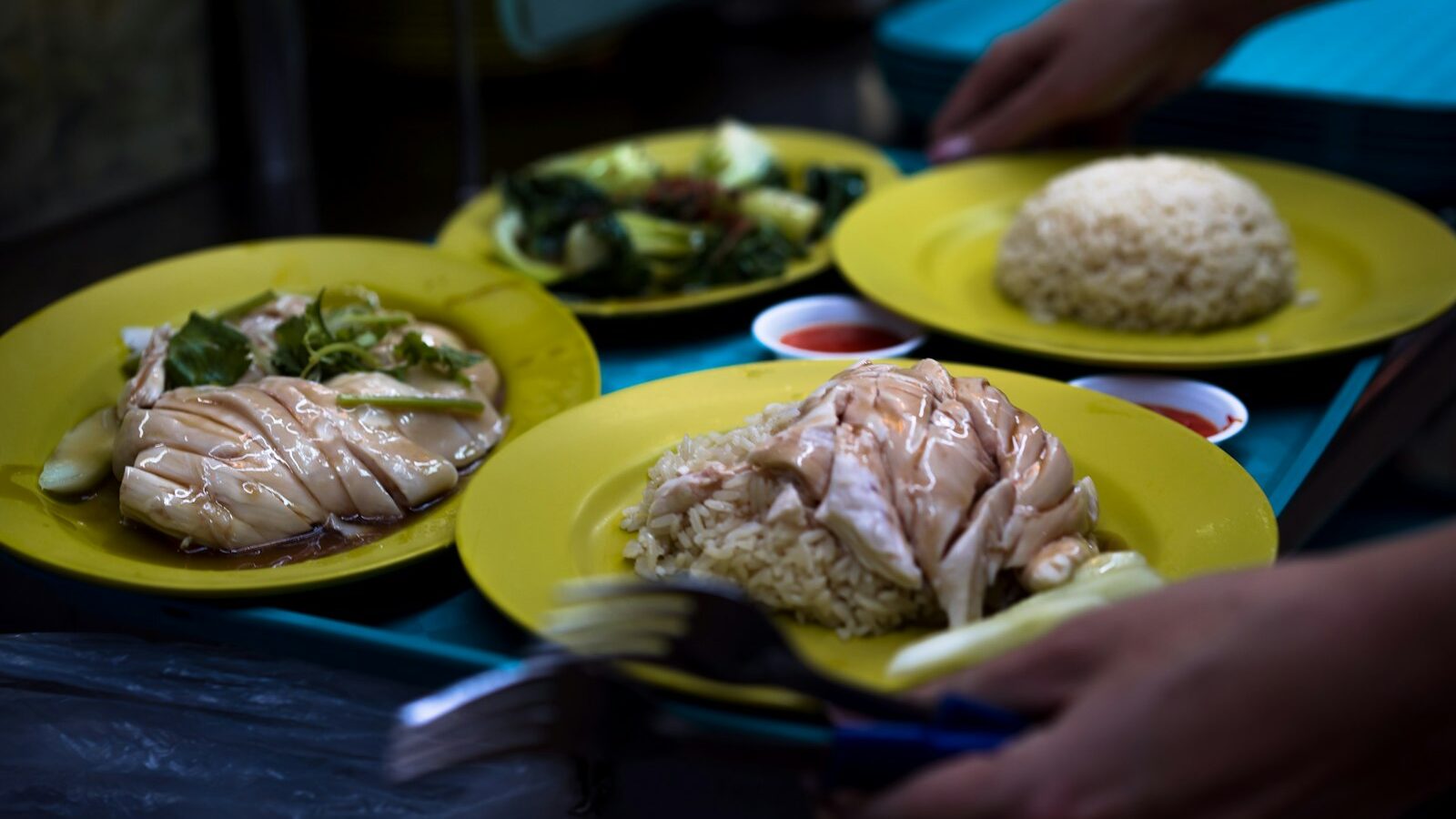
Opening the fridge and finding something past its date is a very familiar moment in most Singapore homes. The instinct to avoid waste is a good one, but when it comes to expired food in Singapore, safety has to come first. The good news is that dates on packaging are not all the same, and once you understand what they actually mean, you can make calmer, smarter decisions. Some food is perfectly fine to enjoy a little later, while other items genuinely need to go. This guide walks you through the difference so you waste less without ever taking a risk with your health.
Use-By Versus Best-Before: The Difference That Matters
The single most important thing to learn is that “use-by” and “best-before” are not the same, and mixing them up is where people get into trouble.
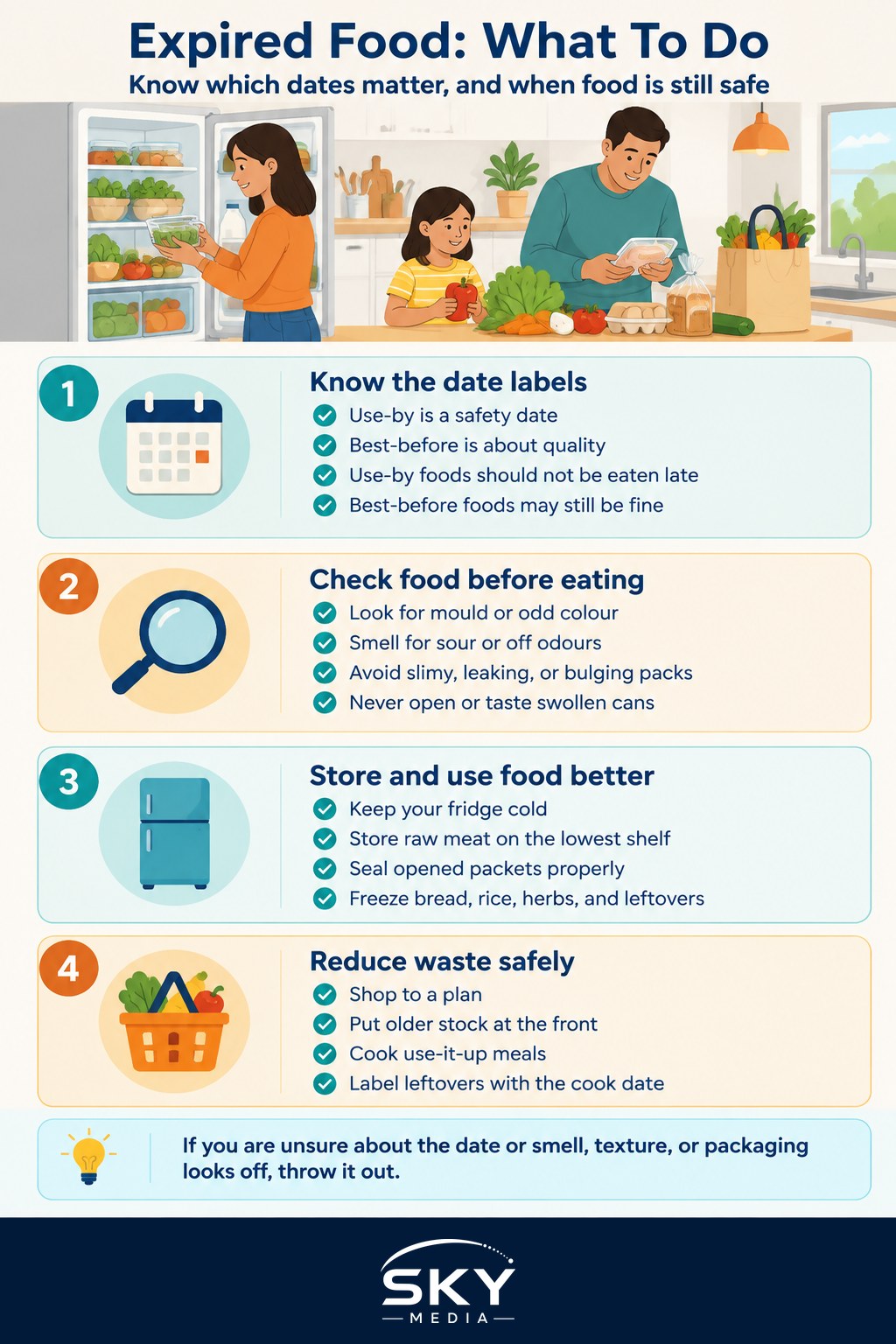
A use-by date is a safety date. It is used on foods that can spoil in ways that make you ill even when they look and smell fine, such as fresh meat, poultry, fish, ready-to-eat chilled meals, and some dairy. Once a use-by date has passed, the food may no longer be safe, so you should not eat it. Do not try to rescue these items to save money or cut waste. The Singapore Food Agency (SFA) advises treating use-by dates as a firm line.
A best-before date is a quality date. It tells you when the food is at its best for flavour, texture, or crunch. Many dry and shelf-stable foods, such as biscuits, rice, canned goods, and dried pasta, are often still safe to eat after this date, though the quality may have dropped a little. A slightly stale cracker is a quality issue, not a safety one.
When you are unsure which type of date you are looking at, or the food gives you any doubt at all, the safest rule is simple: when in doubt, throw it out. No meal is worth food poisoning.
How to Judge Food Safely
For best-before items, use your senses alongside common sense. Look for mould, an off or sour smell, a slimy texture, bulging or leaking packaging, or any colour that seems wrong. Any of these is a clear sign to bin the item, regardless of the date printed on it. Swollen cans in particular should never be opened or tasted.
Singapore’s warm and humid climate speeds up spoilage, so food here can turn faster than the same product might in a cooler country. Rice and cooked dishes left at room temperature are a common culprit for stomach upsets. If cooked food has been sitting out for more than a couple of hours in our heat, do not gamble on it.
Storing food well buys you time and cuts waste before dates even become an issue. Keep your fridge cold, store raw meat on the lowest shelf so it cannot drip onto other food, and seal opened packets properly. For more ideas on keeping ingredients fresh for longer, our guide to eco-friendly food storage that lasts is a helpful companion.
Reducing Waste Without Cutting Corners
The best way to deal with expired food is to have less of it in the first place. A little planning goes a long way, and it saves money too.
- Shop to a plan. Buy what you will realistically cook and check dates as you pack items away, putting older stock at the front.
- Use the freezer. Bread, cooked rice, herbs, and many leftovers freeze well and pause the clock on spoilage.
- Cook a “use it up” meal. A fried rice, soup, or stir-fry is a friendly home for vegetables that are on their way out but still perfectly good.
- Track what you have. A quick weekly fridge check helps you spot best-before items to enjoy soon.
Our guide to meal planning to cut food waste has more practical routines that fit busy Singapore households.
When Food Really Does Have to Go
Sometimes throwing food away is the right and responsible choice, and there is no guilt in that when safety is on the line. What matters is how it leaves your home. Food scraps and spoiled food can still be handled thoughtfully rather than simply adding to the bin. If you have a garden or a compost setup, suitable scraps can be composted, and even flat dwellers have options, as our guide to handling food scraps without a garden explains.
For anything you are keeping, label leftovers with the date you cooked them so future you is not left guessing. And remember that the “when in doubt, throw it out” rule always overrides the wish to save a little food.
Dealing with expired food is really about building small habits: understanding your dates, storing food well, planning your meals, and trusting your senses. Do that, and you will waste far less while keeping every meal safe and enjoyable.
Frequently Asked Questions
Is it safe to eat canned food past its best-before date? Often it is, provided the can is undamaged. Never open or taste a can that is swollen, leaking, rusty or badly dented, and discard it if the contents smell or look wrong. For doubts, check with SFA.
How long can cooked rice or leftovers stay out before they are unsafe? Not long in our heat. Cooked rice and dishes left out for more than a couple of hours can cause stomach upsets, so refrigerate leftovers promptly. When you cannot tell how long something sat out, throw it away.
Can I freeze food that is close to its use-by date? Often yes, if you freeze it before the date passes, in a sealed container. Label it with the date and cook it thoroughly after thawing. Food already past its use-by date should not be frozen to rescue it.
Are supermarket markdowns on near-expiry food safe to buy? They can be, if you plan to eat or freeze the food promptly. Check the date type, choose items you will use that day, and look at the packaging for damage. Avoid buying more than you can finish.
What should I do if I ate food that had expired and feel unwell? Rest, drink fluids and watch your symptoms. See a doctor if you have severe or lasting vomiting, diarrhoea, fever, blood in stools or signs of dehydration, and seek urgent care for young children and older adults.
Official sources: Singapore Food Agency (SFA)
Further reading: How to Donate Surplus Food to Food Banks in Singapore · Understanding Food Miles