
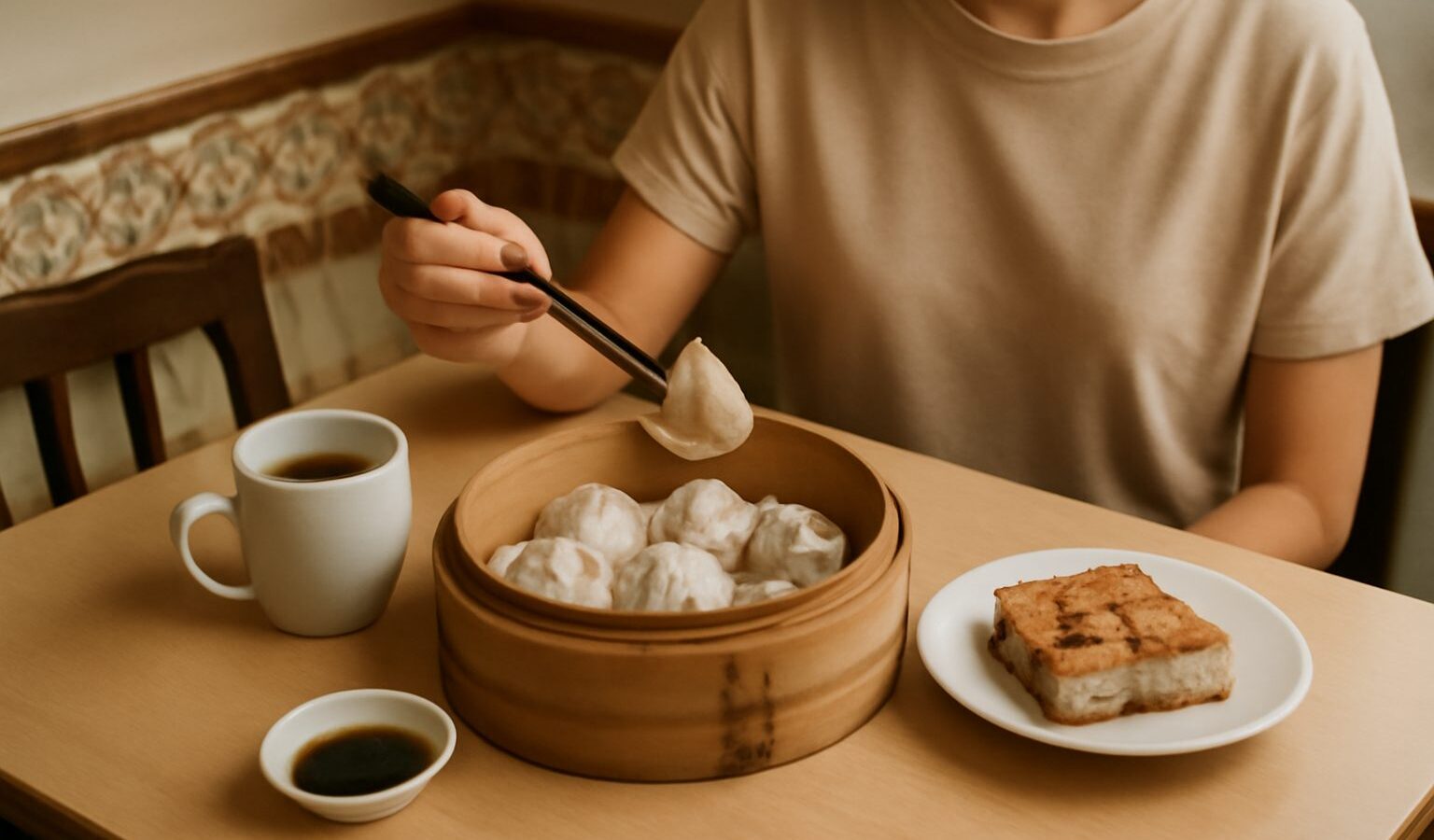
For anyone from Fujian, or with roots in the Minnan region around Xiamen, Quanzhou and Zhangzhou, arriving in Singapore comes with a lovely surprise: the flavours of home are woven right through the local food scene. Finding good Fujian food in Singapore is easier than in most cities outside China, because so much of Singapore’s own cuisine grew from Hokkien roots. This guide walks you through the classic Minnan dishes to look out for and the kinds of places where you can find them, so a taste of home is never far away.
The Deep Hokkien Link
To understand why Minnan food feels so at home here, it helps to know a little history. A very large share of Singapore’s Chinese community traces its ancestry to Fujian, and the Hokkien dialect, which is Minnan, has long been one of the most widely spoken among older Chinese Singaporeans. Waves of migrants from southern Fujian brought their recipes, ingredients and cooking styles, and over generations these blended into the wider local kitchen.
The result is that many dishes newcomers assume are purely Singaporean actually carry unmistakable Minnan DNA. The seasonings, the love of seafood, the use of sweet potato and peanuts, and the comforting soups all speak of southern Fujian. For a Minnan newcomer, this means you are not hunting for a rare cuisine tucked away in one corner. Instead, echoes of home appear across hawker centres, coffee shops and family restaurants throughout the island.
That said, Singaporean versions have evolved their own character over the decades, so a familiar dish may taste a little different from your hometown. Part of the fun is noticing both the similarities and the gentle local twists.
Classic Minnan Dishes to Seek Out
Here are some of the beloved dishes that Minnan travellers tend to recognise and enjoy. You will find these in hawker centres and coffee shops rather than fancy restaurants, which is exactly where the best versions usually live.
Oyster omelette, known locally as orh luak, is a Minnan classic made with eggs, plump oysters and a starchy batter fried until crisp at the edges and soft in the middle, finished with a tangy chilli sauce. It is a direct descendant of the Fujian favourite and a must try.
Popiah, the fresh soft spring roll filled with braised turnip, vegetables and a sweet sauce, comes straight from the Minnan tradition of thin skinned rolls. It is light, moreish and often made to order.
Oyster mee sua, thin wheat noodles in a savoury soup with oysters, offers the same comforting warmth as the mee sua enjoyed back home, where the noodle also carries meaning at birthdays and celebrations. You will also find mee sua served in other styles.
Hokkien mee is worth a special mention. In Singapore the name usually refers to a fried prawn and pork noodle dish, part of a broader Hokkien noodle lineage that spread with migrants. It differs from what you may know in Fujian, so treat it as a cousin rather than a copy.
Peanut soup, a sweet warm dessert of soft peanuts, is a gentle taste of home often found at dessert stalls and traditional dessert shops.
Ang ku kueh, the little red tortoise shaped cake with a chewy skin and sweet filling, carries deep cultural meaning in Minnan tradition, appearing at births and celebrations as a symbol of good fortune and long life. Seeing it in a Singapore shop window is a warm reminder of festivals back home.
| Dish | What it is | Where to look |
|---|---|---|
| Oyster omelette (orh luak) | Crispy egg and oyster fry | Hawker centre cooked food stalls |
| Popiah | Fresh soft spring roll | Hawker and coffee shop stalls |
| Oyster mee sua | Thin noodles in savoury soup | Noodle and porridge stalls |
| Peanut soup | Sweet warm peanut dessert | Traditional dessert stalls |
| Ang ku kueh | Chewy sweet festive cake | Traditional kueh shops |
Where to Find These Foods
The heart of everyday Fujian flavour in Singapore is the hawker centre. These large collections of food stalls sit in almost every neighbourhood, and among them you will usually find stalls selling oyster omelette, fried noodles, mee sua and traditional desserts. Wander, look at what locals are queuing for, and do not be shy about pointing at a dish that looks familiar.
Old style coffee shops, known as kopitiam, are another reliable source, especially for popiah, noodles and simple home cooking. Traditional kueh and pastry shops are the place for ang ku kueh and other festive cakes, particularly around Chinese festivals when displays are at their most colourful.
For a fuller sit down meal, some Chinese restaurants specialise in Hokkien or Teochew cooking, which shares much with Minnan cuisine, offering braised dishes, seafood and soups in a more leisurely setting. Neighbourhoods with long standing Chinese communities tend to have the deepest choices.
A friendly tip for newcomers: many stall owners and older customers speak Hokkien, so a few words in dialect can spark a warm conversation and sometimes a recommendation for the best dish of the day. Prices at hawker centres are generally very reasonable, making it easy to try several dishes across a few visits.
A Taste of Home Awaits
It is also worth keeping an eye on the festival calendar, as some of the most special Minnan foods appear at particular times of year. Around the Lunar New Year, the Mid Autumn Festival and other celebrations, traditional shops fill with festive kueh and pastries that many newcomers remember from childhood. Visiting a hawker centre or old neighbourhood during these periods is a wonderful way to feel connected to home while discovering how Singapore marks the same occasions.
Settling into a new country is so much easier when your favourite flavours are within reach, and for Minnan newcomers Singapore is unusually generous in this respect. From a crisp oyster omelette to a bowl of comforting mee sua and a sweet ang ku kueh for luck, the tastes of southern Fujian are all around, waiting to be rediscovered. Explore slowly, follow the crowds, and let each familiar dish remind you that home is closer than it seems.
Explore more
Where to Find Hunan Food
Where to Find Sichuan and Mala Food
Vegetarian Food in Singapore