
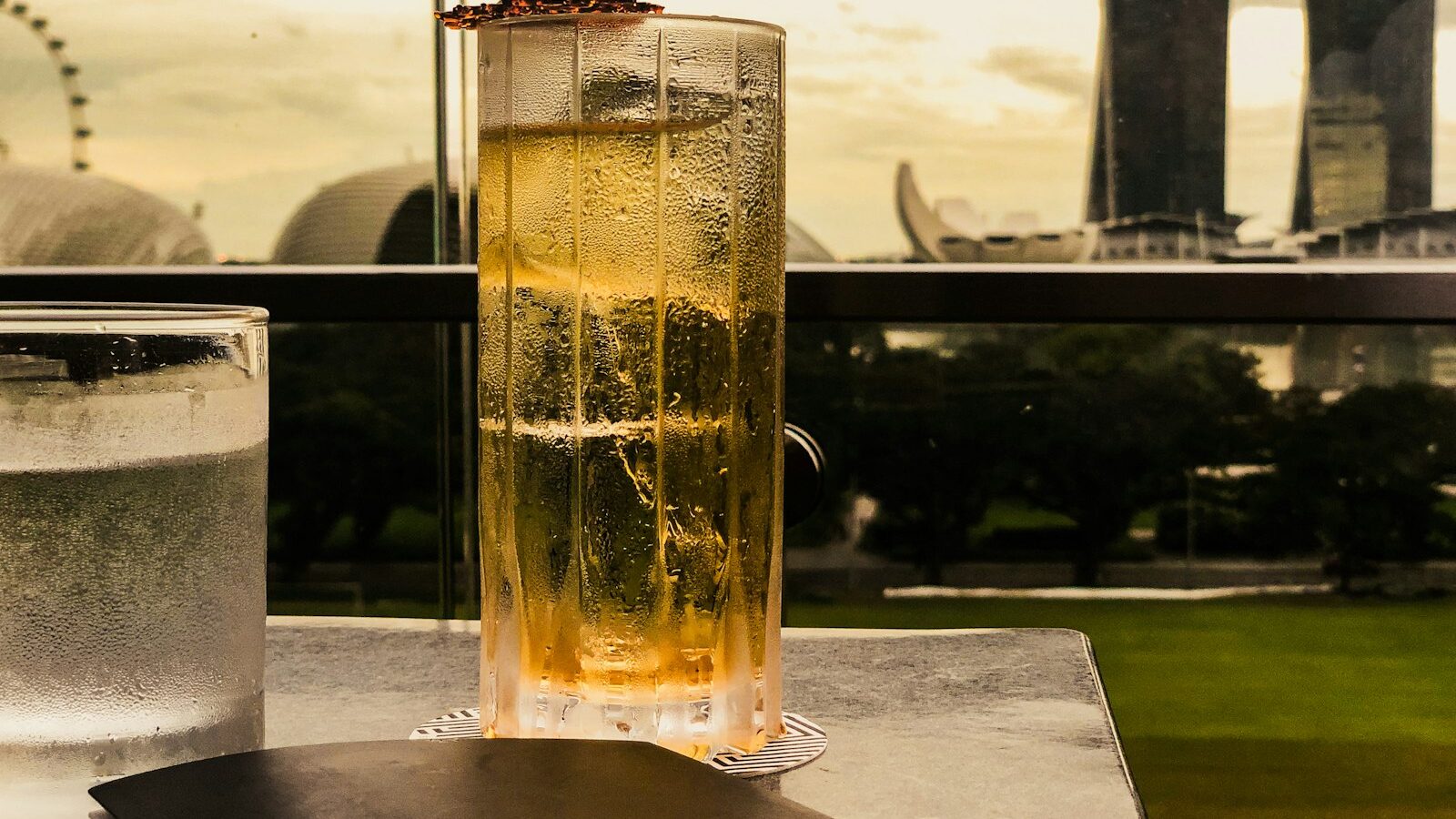
Whisky can seem like the preserve of connoisseurs, with its talk of peat, casks and regions, but at heart it is a spirit to be enjoyed. Singapore has a keen whisky culture, with specialist bars and shops offering bottles from around the world. This beginner’s guide explains the main styles and how to start appreciating whisky.
What whisky is
Whisky is a spirit distilled from fermented grain and aged in wooden casks, which give it much of its colour and flavour. The type of grain, the production methods, and the ageing all shape the final character, producing an enormous range from light and sweet to rich and smoky. Different countries have their own traditions and even spellings, whisky or whiskey, and understanding the main styles is the key to navigating this variety. The cask ageing is particularly important, since years spent in wood develop the depth and complexity that whisky lovers prize.
The main styles
A few major styles form the foundation of whisky appreciation.
- Scotch whisky, from Scotland, ranging from light and floral to intensely smoky and peated, often as single malts or blends.
- Bourbon, an American whiskey made mainly from corn, typically sweeter with vanilla and caramel notes.
- Irish whiskey, often smooth and approachable.
- Japanese whisky, celebrated for its refinement and balance, inspired by Scotch traditions.
- Other world whiskies, as quality distilling spreads globally.
Each style offers a different experience, and exploring across them is a rewarding way to discover your preferences.
Understanding key terms
| Term | What it means |
|---|---|
| Single malt | Malt whisky from a single distillery |
| Blend | A mix of whiskies for a consistent style |
| Peated | Whisky with smoky character from peat |
| Age statement | The minimum years the whisky was aged |
| Cask | The wooden barrel that shapes flavour |
These terms recur constantly, and knowing them helps you read labels and understand what you are drinking.
How to taste whisky
Appreciating whisky is about slowing down and paying attention.
- Look at the colour, which hints at the cask and age.
- Nose it gently, letting the aromas emerge, from fruit and honey to smoke and spice.
- Sip slowly, noticing the flavours and how they develop.
- Consider the finish, the flavours that linger after.
- Add a drop of water if you like, which can open up the aromas.
Take your time; whisky rewards contemplation, and there is no rush to finish a good pour.
How to drink it
There is no single correct way to enjoy whisky, despite what purists may say. Neat, meaning on its own at room temperature, lets you taste it fully. A few drops of water can soften a strong whisky and release aromas. On the rocks, over ice, chills and dilutes it, which some prefer especially in the heat. And whisky also stars in cocktails like the Old Fashioned. The right way is the way you enjoy it, so experiment and do not let anyone tell you your preference is wrong.
Starting your exploration
- Begin approachable. Smoother styles like many bourbons, Irish whiskies or gentler Scotches are friendly starting points.
- Try before you buy by ordering drams at a whisky bar to sample widely.
- Explore one style at a time, such as comparing a few Scotches, to train your palate.
- Ask for guidance at specialist bars and shops, describing what you like.
- Keep notes on whiskies you enjoy, building your understanding.
Peated, smoky whiskies can be an acquired taste, so beginners often ease in with gentler styles before deciding whether they enjoy the smoke.
The whisky bar experience
For beginners and enthusiasts alike, a good whisky bar is one of the best places to learn, and Singapore has a strong selection of them. These bars typically offer whisky by the dram, meaning a single measure, which lets you sample widely without committing to whole bottles, an ideal way to explore different countries and styles affordably. The staff are often genuinely knowledgeable and enjoy guiding newcomers, so describing what you like, or asking to try something contrasting, opens doors. Some bars hold tastings or flights that walk you through a theme, such as comparing regions or ages. Settling in at a whisky bar, dram in hand, in no rush, is not just a way to drink but a way to learn, and it is where many casual sippers discover a lasting passion.
The takeaway
Whisky is a spirit of remarkable variety, from smooth bourbons and refined Japanese whiskies to the floral and smoky range of Scotch. Appreciating it is not about jargon or snobbery but about slowing down, nosing and sipping with attention, and discovering what you enjoy. Learn the main styles and key terms, taste across different countries, and drink it however suits you, neat, with water, or over ice. Start with approachable styles, sample widely at whisky bars, and lean on knowledgeable staff. With Singapore’s lively whisky scene to explore, the journey from curious beginner to confident enthusiast is a genuinely enjoyable one.
Common mistakes beginners make
Getting into whisky is meant to be fun, but a few habits can hold newcomers back or put them off before they have really started. Avoiding these early on makes the learning curve gentler and far more enjoyable.
- Starting with the most intense drams. Diving straight into a heavily peated, high-strength Islay Scotch can overwhelm the palate. Ease in with gentler styles first, then build up to the smoky ones once you know what you are tasting.
- Judging by age alone. A higher age statement does not automatically mean a better whisky, and it often means a higher price. Younger whiskies can be vibrant and delicious, so drink what tastes good to you rather than chasing the number on the label.
- Rushing the pour. Whisky is not meant to be knocked back like a shot. Sipping too fast means you miss most of the aromas and flavours you are paying for.
- Drowning it in ice. In Singapore’s heat a chilled dram is tempting, but a big block of melting ice quickly dilutes and mutes the flavour. If you want it cold, whisky stones or a single large cube melt more slowly.
- Assuming pricier is always better. Some excellent bottles sit at modest prices, while some expensive ones trade on rarity rather than taste. Sample before committing, especially to a full bottle.
None of these are hard rules, but sidestepping them helps you form your own preferences instead of someone else’s.
Glassware, storage and enjoying it responsibly in Singapore
A little attention to how you serve and keep whisky at home goes a long way. A tulip-shaped nosing glass, wider at the base and narrower at the rim, concentrates the aromas far better than a tumbler, which is why tasting glasses are shaped that way. For casual sipping over ice, a heavy-based tumbler is perfectly fine. Store bottles upright, away from direct sunlight and heat, since Singapore’s warmth and humidity can degrade a whisky left near a window. Unlike wine, whisky does not continue to age in the bottle, but an opened bottle will slowly lose character over months as air gets in, so there is gentle encouragement to enjoy it rather than hoard it.
Do remember the local context too. Alcohol brought into Singapore or bought here carries duty and GST, and duty-free allowances on spirits are limited, so check the current rules with Singapore Customs before assuming a bottle from overseas will be cheap. Public drinking is restricted during certain hours and in some areas under the Liquor Control regulations, so buy and drink mindfully. Above all, never drink and drive; Singapore enforces strict blood-alcohol limits and heavy penalties, and you can confirm the current thresholds and rules with the Traffic Police. Booking a ride home is always the smarter end to a good dram.
Explore more: Cocktails in Singapore: a beginner’s guide · Wine for beginners in Singapore · Singapore nightlife guide