
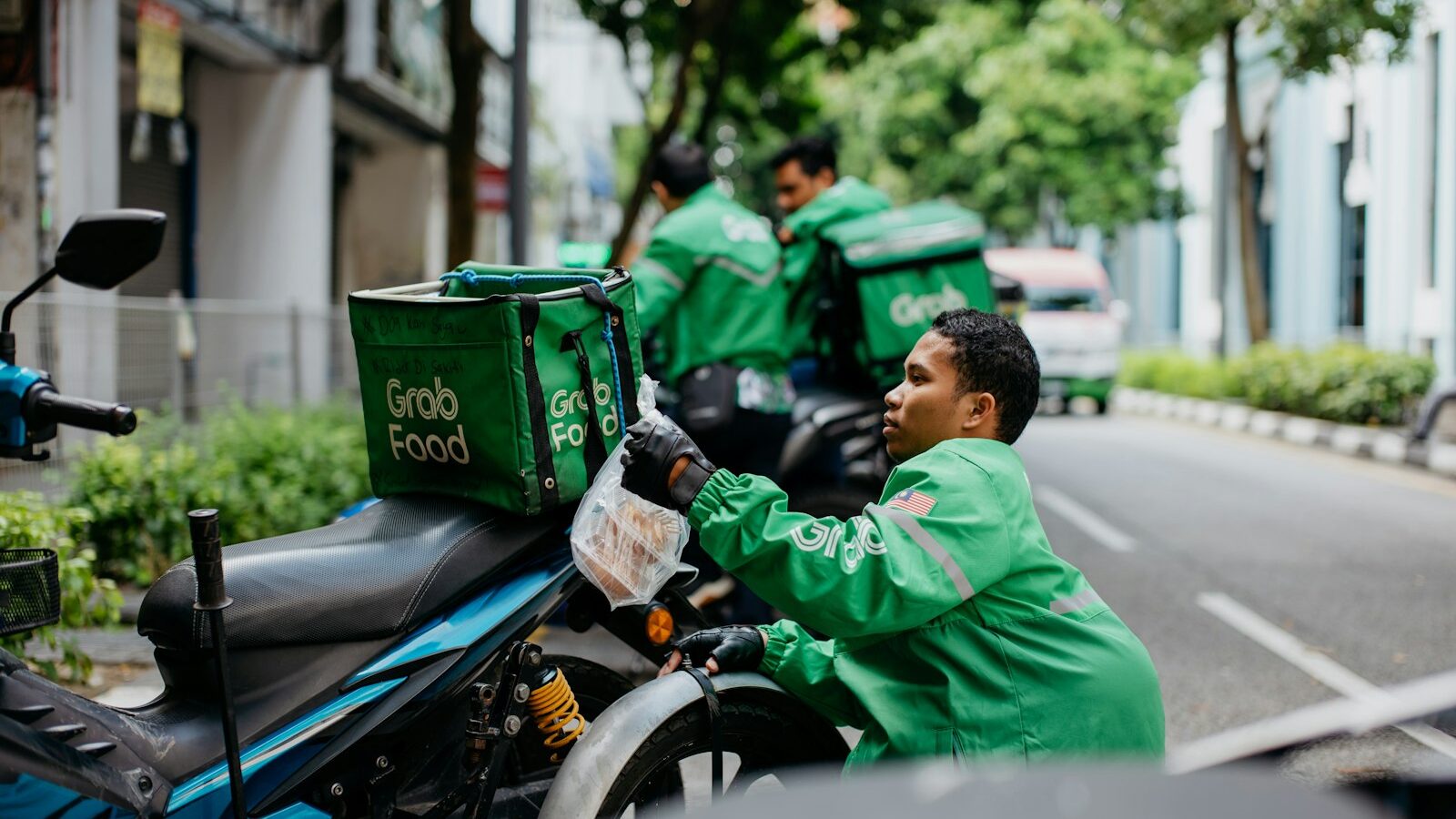
Delivering food is one of the most visible flexible jobs in Singapore, and many newcomers wonder whether it could work for them. Becoming a food delivery rider singapore option can offer flexible hours and a quick way to start earning, but there are important things to understand first, especially around who is actually allowed to do this work, how you get paid, and how to stay safe on the road. This guide walks through the practicalities from a newcomer’s point of view.
This is general information, not legal or financial advice. Rules on who may take up this work are set by the authorities and can change, so verify your own eligibility before you start.
First, Check Whether You Are Allowed To Do It
This is the single most important point, so it comes first. Not every pass holder in Singapore is permitted to work as a food delivery rider. Your ability to take up this kind of work depends on your immigration and work-pass status, and the rules are set by the Ministry of Manpower.
Some passes allow certain kinds of work and not others, and platform delivery work may not be open to everyone. Do not assume that because you see many riders on the road, anyone can simply sign up. Before you invest time or buy equipment, confirm directly with MOM, and with the platform itself, whether your specific status allows you to do this work. Working when you are not permitted to can have serious consequences.
If you are unsure how to interpret the rules, ask MOM directly or seek help from a qualified professional. Getting this right protects you.
How Platform Onboarding Generally Works
If you have confirmed that you are eligible, the next step is signing up with a delivery platform. Several companies operate in Singapore, and while their exact processes differ, the general path is similar.
You usually register through the platform’s app or website, provide identification and proof that you are allowed to work, and complete any onboarding steps the platform requires. This can include a short briefing, agreeing to the platform’s terms, and setting up how you will receive payment. You will also choose how you deliver, whether on foot, by bicycle, or by another permitted mode, since this affects the areas and orders you can take.
Read the platform’s terms carefully. As a rider you typically work as a self-employed person rather than an employee, which shapes your pay, your responsibilities, and your protections. Understanding this before you start avoids nasty surprises later.
Income Is Variable and You Are Self-Employed
One of the biggest differences from a regular job is that delivery income is not a fixed salary. What you earn depends on how many deliveries you complete, the times and areas you work, demand on the day, and the platform’s payment structure. Some periods are busier and potentially more rewarding than others, and earnings can rise and fall week to week.
Because you are generally treated as self-employed, several responsibilities fall to you rather than an employer. The table below highlights the main ones. Treat it as a prompt to plan ahead and to check current requirements with the relevant authorities.
| Area | What it means for a self-employed rider |
|---|---|
| Income | Varies with deliveries completed; no fixed monthly salary |
| MediSave | Self-employed persons generally have MediSave obligations to check |
| Insurance | Consider personal accident and other cover for road work |
| Budgeting | Save for quieter periods and set money aside for obligations |
| Records | Keep track of earnings for your own planning and any obligations |
MediSave deserves particular attention. Self-employed persons in Singapore generally have obligations to contribute to MediSave, which is part of the national healthcare savings system. The exact position depends on your status and income, so confirm what applies to you with the relevant authorities rather than assuming. Setting money aside regularly makes meeting any obligations far less painful.
On insurance, because you spend time on the road, it is worth considering personal accident or other cover suited to delivery work. Some platforms provide certain protections, but you should understand exactly what is and is not covered and decide whether you need more.
Staying Safe on the Road
Road safety is not optional in this job. You will be out in all weather, moving through traffic, and often under time pressure to complete orders. A few habits make a real difference.
Follow the rules for whichever mode you use, whether walking, cycling, or another permitted option, and use the correct paths and crossings. Wear appropriate safety gear, keep your equipment in good condition, and make yourself visible, especially at night or in rain. Resist the urge to rush dangerously for an extra order, because your safety is worth more than any single delivery. Plan for Singapore’s heat and sudden downpours by staying hydrated and taking sensible breaks.
Being calm and careful also protects your earnings in the long run, since an accident can stop you working altogether.
Deciding If It Suits You
Delivery work can suit newcomers who value flexible hours, enjoy being active and outdoors, and want to start earning relatively quickly, provided they are eligible to do it. It is less suited to anyone who needs a stable, predictable income from day one, since earnings fluctuate and you carry self-employed responsibilities yourself.
If you are considering it, work through this order. Confirm your eligibility with MOM and the platform first. Understand the self-employed nature of the work and its effect on pay, MediSave, and insurance. Plan your budget around variable income, and commit to safe habits on the road.
Approached with open eyes, becoming a food delivery rider singapore option can be a practical way to earn while you settle in, or a flexible supplement alongside other plans. Just make sure you check your eligibility and obligations properly first, so you build on solid ground rather than assumptions.
Explore more
How to Budget for Life in Singapore
Understanding Retrenchment and Your Rights
Understanding Your Payslip Deductions
Working on a Letter of Consent as a DP Holder