
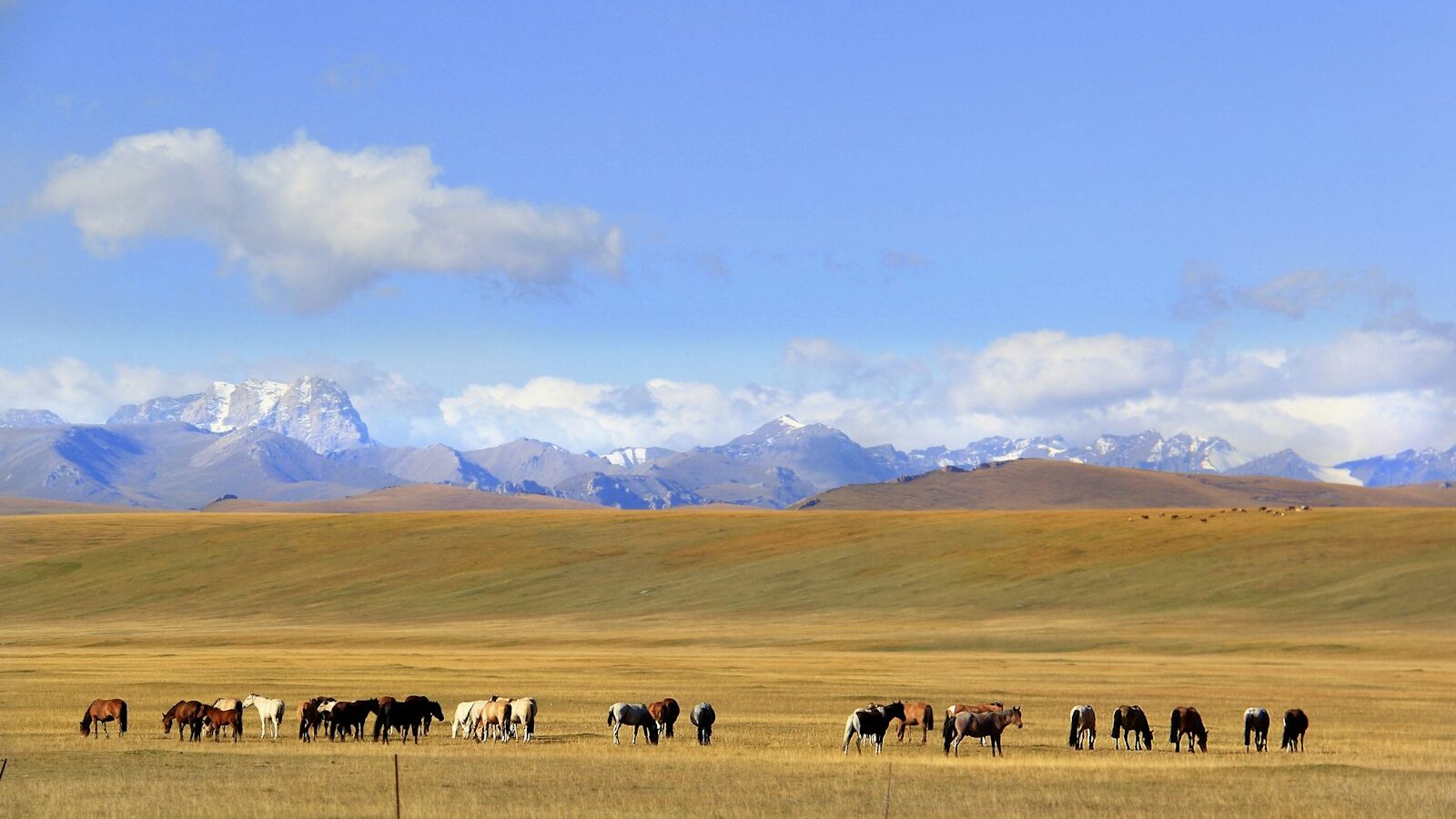
Xinjiang is China’s largest region, a land of snow peaks, deserts, alpine lakes, grasslands and oasis towns. For many mainland newcomers in Singapore it is a long-awaited trip home in a different sense: a part of China that feels very far from the coastal cities. For Singaporeans, it is one of the most rewarding long-haul trips in Asia. This Xinjiang travel guide covers how to get there from Singapore, what documents to think about, when to go, where to base yourself and what to eat.
If you have already done the Dunhuang and Gansu stretch of the Silk Road, Xinjiang is the next chapter further west, with a very different feel.

Getting There From Singapore
Most travellers fly from Singapore to a major Chinese hub, then connect to Ürümqi (乌鲁木齐), the regional capital. Common connecting cities include Guangzhou, Shanghai, Beijing, Chengdu, Chongqing and Xi’an. Some travellers continue onward by domestic flight to Kashgar, Yining (for Ili) or Altay. Routes and airlines change often, so check current schedules before planning.
Things to know about the distances:
- Xinjiang is enormous. Driving between major areas can take a full day. Many travellers combine domestic flights, high-speed or regular trains, and hired drivers.
- Allow buffer days. Weather and connections can shift plans, especially in the mountains.
- Time zone. Official clocks run on Beijing time, but some locals also use an informal “Xinjiang time” two hours behind. Always confirm which time a tour, train or meeting refers to.
Documents, Permits and Checkpoints
Requirements depend on your passport and can change, so treat this as a starting point and confirm with official sources.
- Chinese citizens travel with their national ID card. Some areas close to international borders fall within frontier zones that may need an additional frontier pass (边境通行证). Check with the local public security bureau or your tour operator before heading to border areas such as the Khunjerab Pass or parts of the Pamirs.
- Singapore citizens and other foreigners should check current entry rules with the Chinese Embassy in Singapore. Singapore and China have had a mutual visa exemption arrangement for short visits, but conditions and duration can change. Foreigners may also face extra rules for certain border areas.
- Carry your ID or passport at all times. Expect frequent identity and security checks at train stations, highways, petrol stations and some attractions. Allow extra time and keep documents easy to reach.
- Hotels. Not every hotel may be able to register foreign guests. Book through a reputable platform and check that your hotel accepts your passport type.
This is general information, not legal or immigration advice.
When to Go and Where to Base Yourself
Xinjiang has a strongly continental climate: hot summers, cold winters and big day-to-night swings. Late spring to autumn is the main travel season.
| Region | Highlights | Best general season |
|---|---|---|
| Ürümqi and Tianchi | Regional capital, Grand Bazaar, Heavenly Lake (天池) | Late spring to early autumn |
| Ili (伊犁) valley | Grasslands, Sayram Lake, lavender fields, Nalati | Early to late summer for flowers |
| Kanas and Altay | Alpine lakes, Tuvan villages, autumn larch forests | Late summer to early autumn; winter for snow sports |
| Turpan (吐鲁番) | Grapes, Flaming Mountains, ancient city ruins, karez wells | Spring and autumn; summer is extremely hot |
| Kashgar (喀什) and the Pamirs | Old town, bazaars, Karakoram Highway, Karakul Lake | Late spring to autumn |
A popular first-time plan is a northern loop (Ürümqi, Tianchi, Sayram Lake, Ili, then Kanas if you have time) or a southern route (Kashgar and the Karakoram Highway towards Tashkurgan). Trying to do both in under two weeks usually means too many hours on the road.
Kashgar and the Old Silk Road Towns
Kashgar is the cultural heart of southern Xinjiang. The restored old town has alleys of mud-brick style houses, craft workshops, teahouses and bakeries turning out fresh nang bread. The Id Kah Mosque, one of China’s best-known mosques, sits at the centre.
- Dress modestly, especially near mosques and in residential lanes. Shoulders and knees covered is a good rule.
- Ask before photographing people, and respect signs where photos are not allowed.
- Visit the bazaars for dried fruit, nuts, spices, textiles and carpets. Bargain politely.
- Head up the Karakoram Highway towards Karakul Lake and Tashkurgan for dramatic mountain views. Altitude is high, so take it slowly and speak to a doctor beforehand if you have heart or lung conditions.
What to Eat in Xinjiang
Food is one of the great joys of the trip. Much of it is halal, reflecting the Uyghur, Hui, Kazakh and other communities who live there.
- Laghman (拉条子 / 拌面): hand-pulled noodles with a stir-fry of lamb, peppers and tomato.
- Polo (手抓饭): rice cooked with lamb, carrots and onions, often served in huge pans.
- Kebabs (烤肉串): lamb skewers over charcoal with cumin and chilli.
- Big plate chicken (大盘鸡): a spicy chicken and potato stew served over flat noodles.
- Samsa (烤包子): baked pastries filled with lamb and onion.
- Nang (馕): round flatbreads in many styles, great for long drives.
- Fruit: Turpan grapes, Hami melon, dried apricots and raisins, best in late summer and autumn.
Portions are generous and lamb dominates, so vegetarians should learn a few phrases to ask for meat-free dishes. If you cannot wait for the trip, our guide to Xinjiang and halal Chinese food in Singapore shows where to find similar dishes locally.
Practical Tips for a Smooth Trip
- Pack layers. Even in summer, mountain lakes and evenings can be cold, while deserts are scorching by day.
- Sun protection matters. Altitude and dry air mean strong sun and dry skin. Bring sunscreen, lip balm and a hat.
- Payments. Mobile payments such as Alipay and WeChat Pay are widely used. Foreigners can usually link an international card, but carry some cash for rural areas.
- Connectivity. Mobile data can be patchy in remote valleys. Download offline maps and translation tools before you go.
- Book transport early in peak season, especially trains and domestic flights in July and August.
- Respect local customs. Xinjiang is home to many ethnic groups. Be courteous, follow guides’ advice, and treat religious sites with care.
- Travel insurance. Choose a policy that covers remote areas, high-altitude travel if relevant, and medical evacuation.
Explore more: Xinjiang and Halal Chinese Food in Singapore · Taiwan from Singapore: Taipei and Beyond · Jordan from Singapore: A Travel Guide to Petra and Beyond
Frequently Asked Questions
Is Xinjiang suitable for a first-time China trip from Singapore? It can be rewarding but is a long trip with huge distances, frequent security checks and some border-area rules. Allow buffer days and book transport early. Check current entry rules for your passport with the Chinese Embassy in Singapore.
How many days do I need for Xinjiang? Plan for at least two weeks if you want a full route, since driving between areas can take a whole day. Pick either a northern loop or a southern route rather than both. Trying both in under two weeks usually means too many hours on the road.
Is Xinjiang food halal, and can vegetarians cope? Much of the food is halal, reflecting the Uyghur, Hui and Kazakh communities there. Lamb dominates and portions are generous, so vegetarians should learn a few phrases to ask for meat-free dishes. Nang bread and fruit are easy fallbacks.
Can foreigners use Alipay and WeChat Pay in Xinjiang? Foreigners can usually link an international card to Alipay or WeChat Pay, which are widely used. Carry some cash for rural areas, and download offline maps and translation tools because mobile data can be patchy in remote valleys.
Do I need to worry about altitude on the Karakoram Highway? Yes, altitude is high near Karakul Lake and Tashkurgan, so take it slowly. Speak to a doctor beforehand if you have heart or lung conditions, and choose travel insurance that covers high-altitude travel and medical evacuation.
Further reading: Dunhuang and the Silk Road From Singapore