
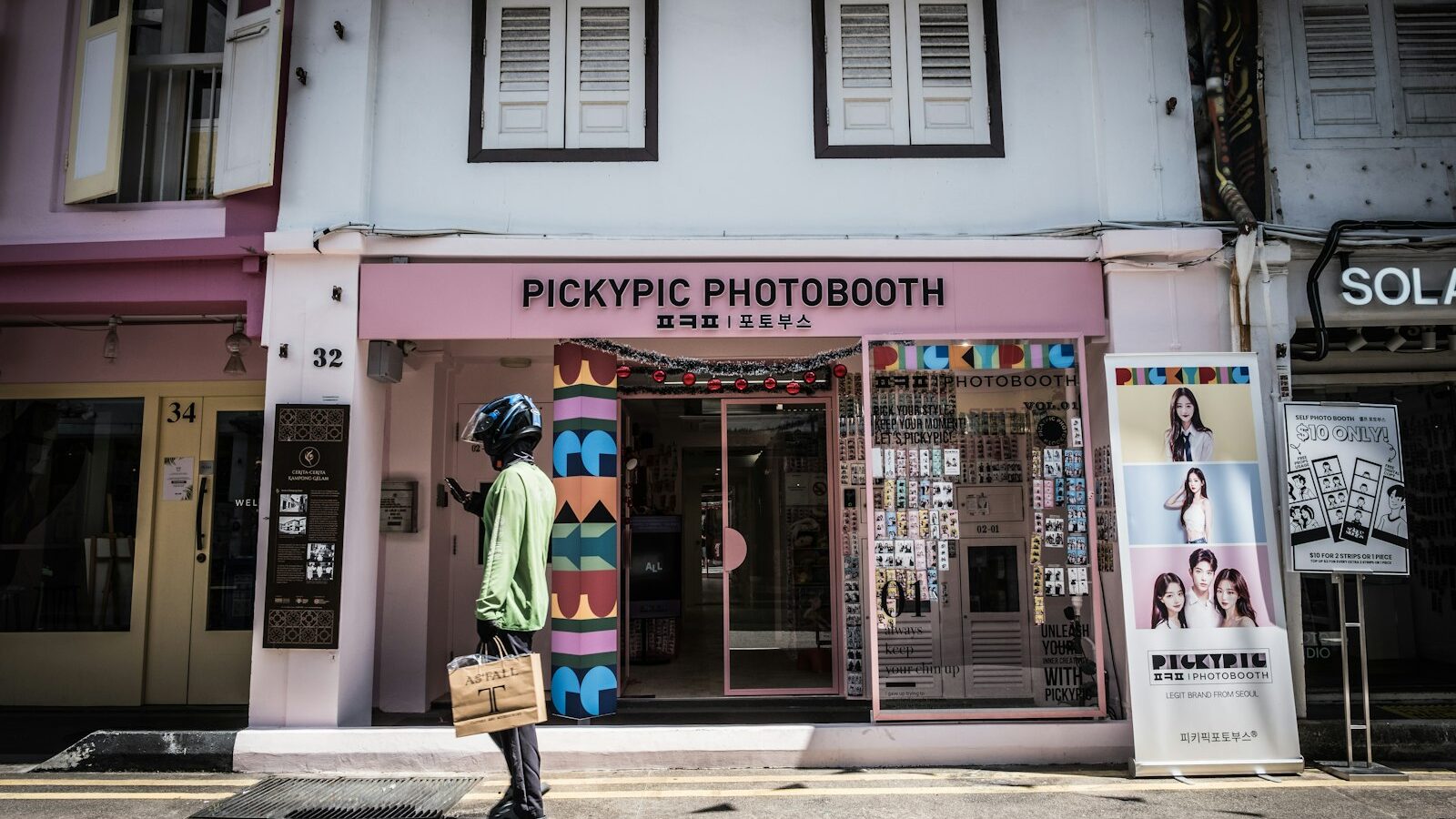
Vintage fashion Singapore style is having a long, well-deserved moment, and it is easy to see why: older clothes are often better made, cheaper than new, and full of character you cannot buy off a fast-fashion rack. This guide explains the difference between vintage and retro, how to spot the good stuff, and how to wear a decade or two of history without looking like you are in costume.
Vintage Versus Retro
The two words get used interchangeably, but they mean different things. Vintage refers to genuine older garments, usually at least twenty years old, that were made in the era they evoke. Retro refers to new clothes made recently that imitate an older style. A 1970s denim jacket is vintage; a brand-new jacket cut to look like the 1970s is retro.
Neither is better than the other. Genuine vintage rewards you with construction and fabric that are hard to find now, but it comes in fixed sizes and whatever condition the years left behind. Retro gives you the look in modern sizing and easy care, but without the history or the individuality. Many people mix both, using one authentic hero piece alongside newer reproductions.
| Feature | Genuine vintage | Retro reproduction |
|---|---|---|
| Age | Twenty years or older | Made recently |
| Sizing | Era-specific, often runs small | Modern, consistent |
| Condition | Variable, may need repair | New |
| Character | One of a kind | Widely available |
| Price band | $ to $$$ by rarity | $ to $$ |
Reading the Decades
Part of the fun is learning the visual shorthand of each era so you can borrow it on purpose.
- 1950s and 1960s. Structured waists, full skirts, tailored collars and clean silhouettes. Polished and put together.
- 1970s. Flares, earthy tones, suede, wide collars and relaxed knitwear. Warm and easy.
- 1980s. Bold shoulders, bright colour, statement outerwear and sportswear crossover. Confident and loud.
- 1990s. Minimal slip dresses, straight-leg denim, band tees and understated grunge. Effortless and still very current.
You do not need to reproduce a full look. Pull one signal from a decade, such as a wide 1970s collar or a 1990s slip, and let the rest of the outfit stay modern.
Spotting Quality and Authenticity
The joy of older clothing is that a lot of it was simply built to last. When you are hunting, turn the garment inside out. Look for tidy, finished seams, natural fibres such as cotton, wool and silk, and older-style labels or union tags that hint at age. Check zips and buttons; metal zips and real horn or shell buttons suggest an older make.
Inspect the damage honestly. Small repairs and faded dye are part of the charm, but check underarms, elbows, collars and crotch seams where fabric wears thin, and test zips and closures before you buy. A stain you can wash is fine; a hole in a stress seam may not be worth it. Our guide on how to spot quality clothing carries over neatly to second-hand hunting.
Where to Hunt in Singapore
You have more options than you might think. Haji Lane and the lanes around Bugis have long been happy hunting grounds for retro and second-hand pieces, and thrift and vintage racks turn up steadily across the island. Online resale is arguably the richest source, letting you search by decade, size and style from home.
- Physical thrift and vintage shops for the pleasure of the rummage and trying things on.
- Weekend flea markets for lower prices and unpredictable finds.
- Online resale for range and convenience.
Our walkthrough on a guide to thrifting in Singapore covers the physical hunt, while our notes on buying secondhand clothes on Carousell help with the online side, including how to check measurements before you commit.
Making It Work in the Heat
Older clothes were not designed for a tropical commute, so edit with the climate in mind. Favour natural fibres that breathe, and be wary of heavy 1980s synthetics that trap heat. A vintage cotton shirt, a light retro sundress or a pair of well-worn straight-leg jeans will serve you far better at midday than a thick wool blazer.
Fit is the other consideration. Vintage sizing rarely matches modern labels, and clothes often run smaller than their tag suggests, so always go by measurements, not the number. A good tailor is your best friend here. Taking in a waist, shortening a hem or slimming a sleeve turns a near-miss into a piece that looks made for you, often for a modest cost.
Styling It So It Reads Modern
The line between stylish and costume comes down to balance. Wear one vintage or retro element as the star, then ground it with contemporary basics. A 1970s printed shirt looks current tucked into plain modern trousers with clean trainers. A slip dress from a resale rack looks now with a simple tee underneath and everyday sandals.
Mixing eras works too, as long as you keep the palette or the mood consistent. What you want to avoid is dressing head to toe in one decade, which tips the look into fancy dress. Let the old piece feel like a discovery, not a uniform.
A Kinder Way to Shop
Beyond the style, buying older clothes keeps wearable garments in use for longer and gives you something with genuine character. It is a modest but real way to lean towards a more considered, less wasteful wardrobe, which pairs naturally with wider habits in how to build a sustainable wardrobe. Start with one piece you genuinely love, learn to read quality and measurements, and let your eye develop. Vintage and retro dressing rewards patience with a wardrobe that looks like nobody else’s.
Explore more: A guide to thrifting in Singapore · Buying secondhand clothes on Carousell · How to build a sustainable wardrobe