
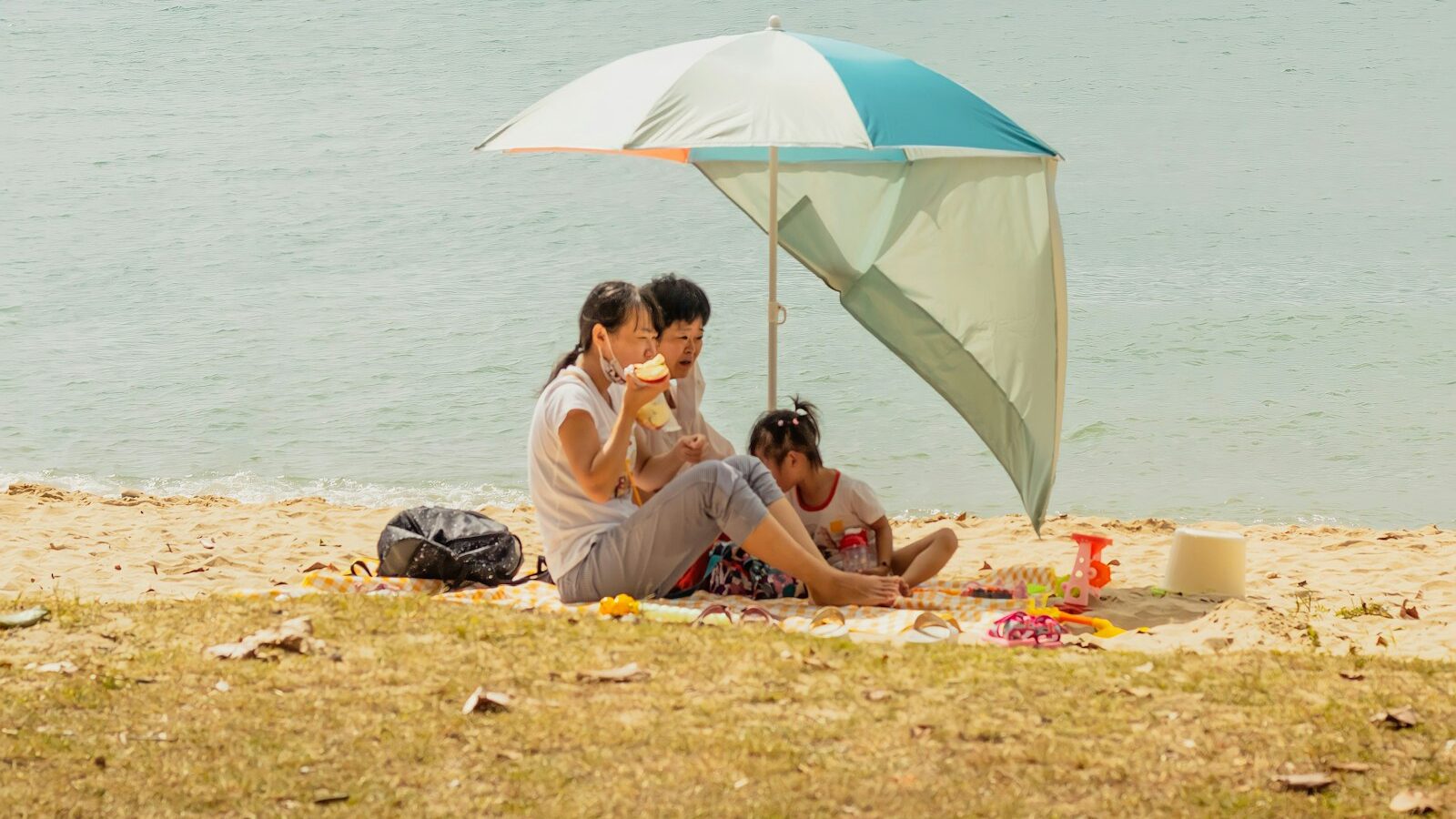
A long afternoon at the beach, a full day at the pool, or a lazy hike can catch up with you by evening, when your shoulders start to feel tight, hot and tender. Good after sun care singapore residents can rely on is not complicated, but it does matter, because how you treat freshly burnt skin in the first day or two shapes how quickly it calms and heals. The other half of the story is prevention, which is far kinder than any cure.
This is general information, not medical advice. Sunburn can range from mild to serious, and blistering, severe or widespread burns need proper medical attention rather than home care alone.
First Steps When Skin Is Burnt
Sunburn is essentially a burn, and it keeps developing for a while after you leave the sun, so the sooner you respond, the better. The first priority is to get out of the sun completely. Staying out for the rest of the day, and covering up if you must go outside, stops you adding injury to already damaged skin.
Next, cool the skin down. A cool, not icy, shower or a cool damp cloth pressed gently against the burnt areas helps take the heat out and eases the sting. Avoid very cold ice straight on the skin, which can be too harsh on an already sore surface. Keep it gentle and repeat as needed over the first few hours.
Once the skin is cool, lock in comfort with moisture. A light, fragrance free moisturiser or a gel formulated to soothe helps calm tightness and supports the skin as it recovers. Many people reach for aloe based gels for that cooling, hydrating feel. Apply softly rather than rubbing, and reapply through the day whenever the skin feels dry or hot. Steer clear of thick, greasy ointments on a fresh burn, since these can trap heat.
Hydrate from the inside too. A sunburn draws fluid to the skin’s surface and a hot day often leaves you dehydrated anyway, so drink plenty of water over the following day or two. In our climate it is easy to underestimate how much fluid you have lost.
Finally, leave the skin alone. Do not scrub, exfoliate or use active ingredients such as retinoids or strong acids on burnt areas, and resist the urge to pick at any peeling that appears later. Peeling is a normal part of healing, and pulling at it can cause marks or slow things down.
What To Use And What To Avoid
When your skin is already sore, the products you choose can either help it settle or make it angrier. The theme is simple: soothe and hydrate, do not irritate. Here is a quick guide to steer by.
| Situation | Helpful approach | Better to avoid |
|---|---|---|
| Cooling the burn | Cool shower or cool damp cloth | Ice pressed directly on skin |
| Moisturising | Light, fragrance free lotion or soothing gel | Thick, greasy ointments that trap heat |
| Comfort | Loose, soft cotton clothing | Tight or rough fabrics that rub |
| Skincare routine | Pause actives until skin recovers | Retinoids, strong acids and scrubs |
| Going outside | Cover up and stay in the shade | More sun exposure on burnt skin |
A few extra habits help. Wear loose, breathable clothing over the burn so nothing rubs, keep any peeling skin moisturised rather than picking at it, and give your usual actives a rest until the redness and soreness have fully gone. If blisters form, do not pop them, as intact skin is your best defence against infection while things heal.
When Sunburn Needs A Doctor
Most mild sunburn settles at home over a few days with cooling, moisture and patience. But some burns are more serious and deserve medical care, and it is worth knowing the signs so you do not wait too long.
Seek medical advice if the burn blisters extensively, covers a large area of the body, or is very painful. Take it seriously too if you feel unwell alongside the burn, with symptoms such as fever, chills, headache, dizziness, nausea or feeling faint, which can point to heat related illness rather than just skin damage. Signs of possible infection in a blistered area, such as increasing pain, swelling, warmth or oozing, also warrant a check. Sunburn on a baby or young child should always be treated cautiously, since their skin is more vulnerable, and a doctor’s input is wise. If you are ever unsure how serious a burn is, it is better to get it looked at than to guess.
None of this is meant to alarm you. The vast majority of sunburns are mild and heal on their own. The point is simply to respect the difference between a bit of tender pink skin and a burn that is blistering, extensive or making you feel ill.
Prevention Beats Any Cure
The most important part of after sun care is the sun protection that stops you needing it so often. Singapore sits close to the equator, so the sun is strong all year, not just on obviously hot beach days. Everyday errands, lunchtime walks and time near reflective water or pavement all add up.
Sunscreen is the backbone of prevention. Apply a broad spectrum sunscreen generously to exposed skin before you head out, and reapply regularly when you are outdoors, sweating or swimming, because a single morning layer rarely lasts a full day of activity. Most people also apply less than they think, so being generous makes a real difference.
Back sunscreen up with shade and clothing. Seek shade during the strongest hours around the middle of the day, wear a wide brimmed hat and sunglasses, and choose light, covering clothing for long stretches outdoors. These simple physical barriers do a lot of quiet work, especially on children.
Plan around the sun where you can. If you are heading out for a full day, pack sunscreen to reapply, carry water to stay hydrated, and build in shady breaks rather than baking straight through. Getting into these habits means fewer evenings spent nursing tight, burning shoulders, and far less cumulative damage to your skin over the years.
Treat after sun care as your safety net, not your main plan. Cool, moisturise, hydrate and rest a burn when it happens, watch for the warning signs that need a doctor, and lean hard on prevention so that sunburn becomes the rare exception rather than a regular part of your weekends.
Explore more
Sunscreen and Sun Protection in Singapore
Mineral vs Chemical Sunscreen: Which Is Best in Singapore?
Repairing Your Skin Barrier
Caring for Sensitive Skin in Singapore