
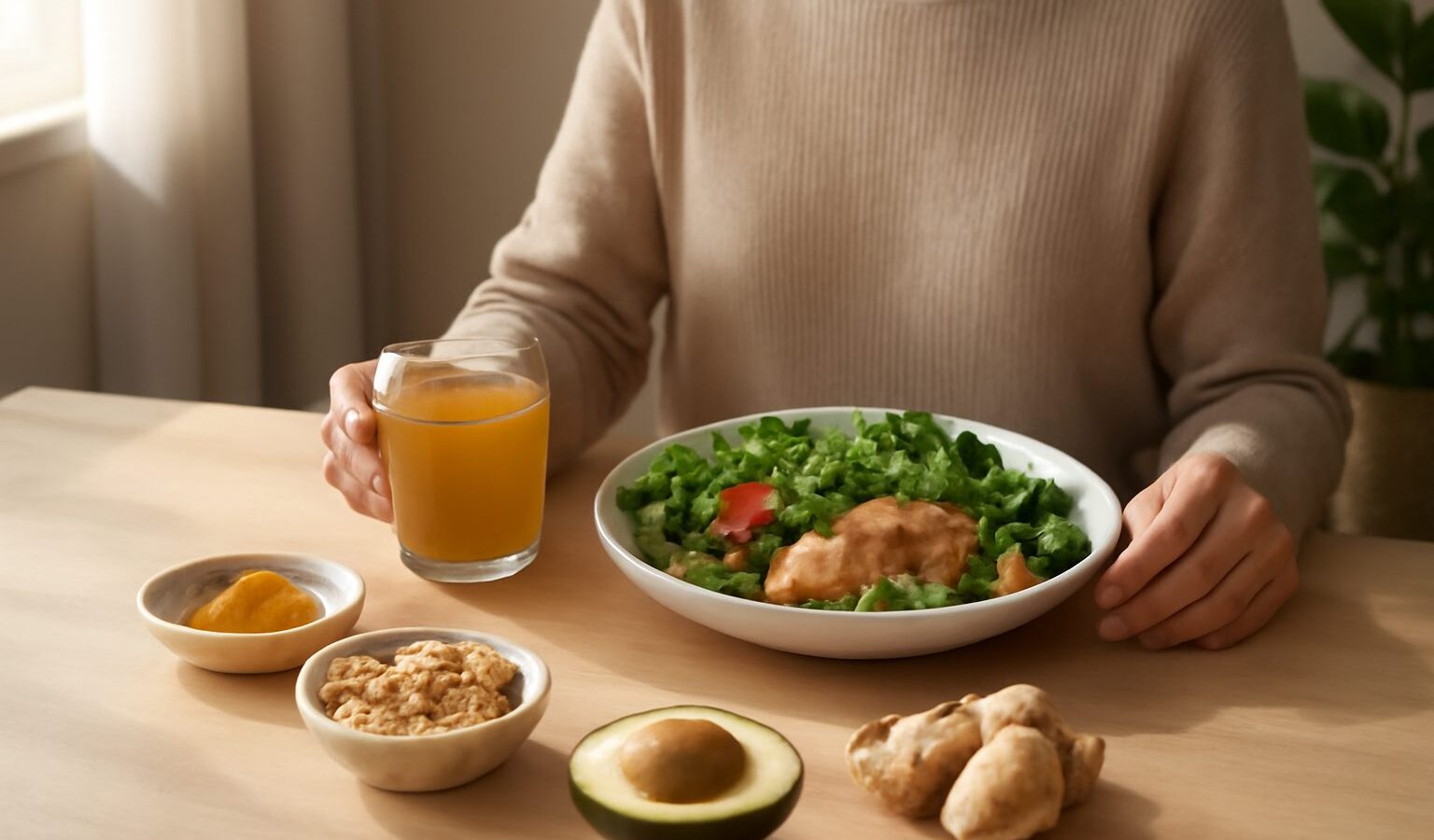
You have probably seen the phrase pop up on food packaging, social media and wellness blogs, often promising to fix everything from tiredness to joint aches. The idea behind anti inflammatory eating in Singapore is far simpler and far less dramatic than the headlines suggest. At its heart it is just a balanced, whole foods way of eating that leans on vegetables, fruit, wholegrains, healthy fats and fish, while going easy on ultra processed items. This guide explains what it really means, how to apply it to everyday local meals, and where the honest limits lie.
Before we go on, one important note. This article is general wellness information, not medical advice. A whole foods eating pattern can support your overall health, but it is not a cure or a treatment for any disease. If you live with a medical condition, or you are considering big changes to your diet, please speak to a doctor or a registered dietitian who can advise on your situation.
What Inflammation Is, in Plain Terms
Inflammation is a normal and helpful part of how your body works. When you cut your finger or fight off a bug, your immune system responds with short term inflammation to protect and repair you. That kind is a good thing and you want it.
The concern people talk about is long term, low grade inflammation that quietly lingers in the background. Researchers link this pattern to general poor health over many years. The useful takeaway is not to fear a single meal, but to build everyday habits that support your body rather than work against it. Food is only one piece of that picture, alongside sleep, movement, stress and not smoking.
What Anti-Inflammatory Eating Actually Looks Like
Here is the reassuring part. There is no magic ingredient and no expensive superfood you must buy. An anti inflammatory pattern simply describes a plate built mostly from minimally processed foods. Think plenty of colourful vegetables and fruit, wholegrains such as brown rice and oats, beans and lentils, nuts and seeds, healthy fats like olive oil, and oily fish a couple of times a week.
On the other side, it means having less of the things most of us already know to limit. That includes sugary drinks, deep fried food, processed meats and heavily packaged snacks eaten in large amounts. Notice that this is not a strict list of banned foods. It is a gentle shift in the overall balance of your week.
| Enjoy more often | Enjoy less often |
|---|---|
| Vegetables and fruit of many colours | Sugary drinks and desserts daily |
| Wholegrains such as brown rice and oats | Refined white carbohydrates in excess |
| Fish, beans, lentils, tofu | Processed and cured meats |
| Nuts, seeds and olive oil | Deep fried and heavily packaged snacks |
| Water, plain tea | Frequent sweetened beverages |
Making It Work With Local Food
The good news for anyone eating around Singapore is that our food culture already offers plenty of sensible choices. You do not need imported ingredients or a Western style menu to eat this way. It is mostly about small swaps at the hawker centre, the food court and your own kitchen.
At a hawker stall, you might choose a fish soup with lots of vegetables, order thosai or a wholemeal option, or pick a stir fried vegetable dish to go with your rice. Yong tau foo lets you load up on vegetables and tofu with a clear soup rather than a fried, gravy heavy version. When you order kopi or teh, asking for less sugar is a genuinely useful habit given how often we drink them.
Cooking at home gives you the most control. Steaming, boiling and stir frying with a little oil are gentler than deep frying. Adding an extra handful of leafy greens, swapping some white rice for brown, and keeping oily fish on your weekly shopping list are all easy, affordable moves. Herbs and spices such as ginger, turmeric and garlic, which appear in so many local dishes, fit naturally into this style of eating.
Simple Habits Worth Building
Rather than chasing a perfect diet, aim for a handful of steady habits that add up over time. These are practical, realistic and suited to a busy schedule.
Try to fill half your plate with vegetables at your main meals. Reach for water or plain tea as your default drink and treat sweetened beverages as an occasional pleasure. Keep fruit, nuts or plain yoghurt on hand for snacks so you are not always relying on packaged treats. Aim to include fish, beans, tofu or lentils regularly. And when you cook, lean towards steaming, boiling or light stir frying more often than deep frying.
None of these needs to happen overnight. Picking one change and sticking with it for a few weeks is far more effective than a dramatic overhaul you cannot maintain.
Being Honest About the Limits
It is worth being clear about what this way of eating can and cannot do. A balanced whole foods pattern supports general health and gives your body a good foundation. What it is not is a treatment, a cure, or a replacement for medical care. No single food will undo years of other habits, and no eating plan should delay proper attention to a health problem.
Be cautious of anything sold with bold promises, whether it is a pricey powder, a detox programme or a supplement that claims to banish inflammation. Most of the benefit comes from ordinary, affordable foods you can buy at any wet market or supermarket. If a product sounds too good to be true, it usually is.
If you have a diagnosed condition, take regular medication, are pregnant, or simply feel persistently unwell, do not rely on diet alone. See a doctor, and ask for a referral to a dietitian if you would like tailored guidance. Professional advice makes sure any changes are safe and suitable for you specifically.
A Balanced Takeaway
Anti inflammatory eating is best understood as a sensible, everyday way of feeding yourself rather than a special diet with rules to memorise. Lean on vegetables, fruit, wholegrains, healthy fats and fish, keep ultra processed foods to a smaller share of your week, and drink mostly water. Add regular movement, decent sleep and less stress, and you have covered the habits that genuinely matter.
Kept in perspective, it is a calm and achievable approach. You do not have to eat perfectly or spend a lot of money. Small, steady choices at your usual hawker stall and in your own kitchen are more than enough to support your general wellbeing over the long run.
Explore more
Nutrition Basics: A Beginner’s Guide
Eating for a Healthy Heart
Gut Health and Digestion