
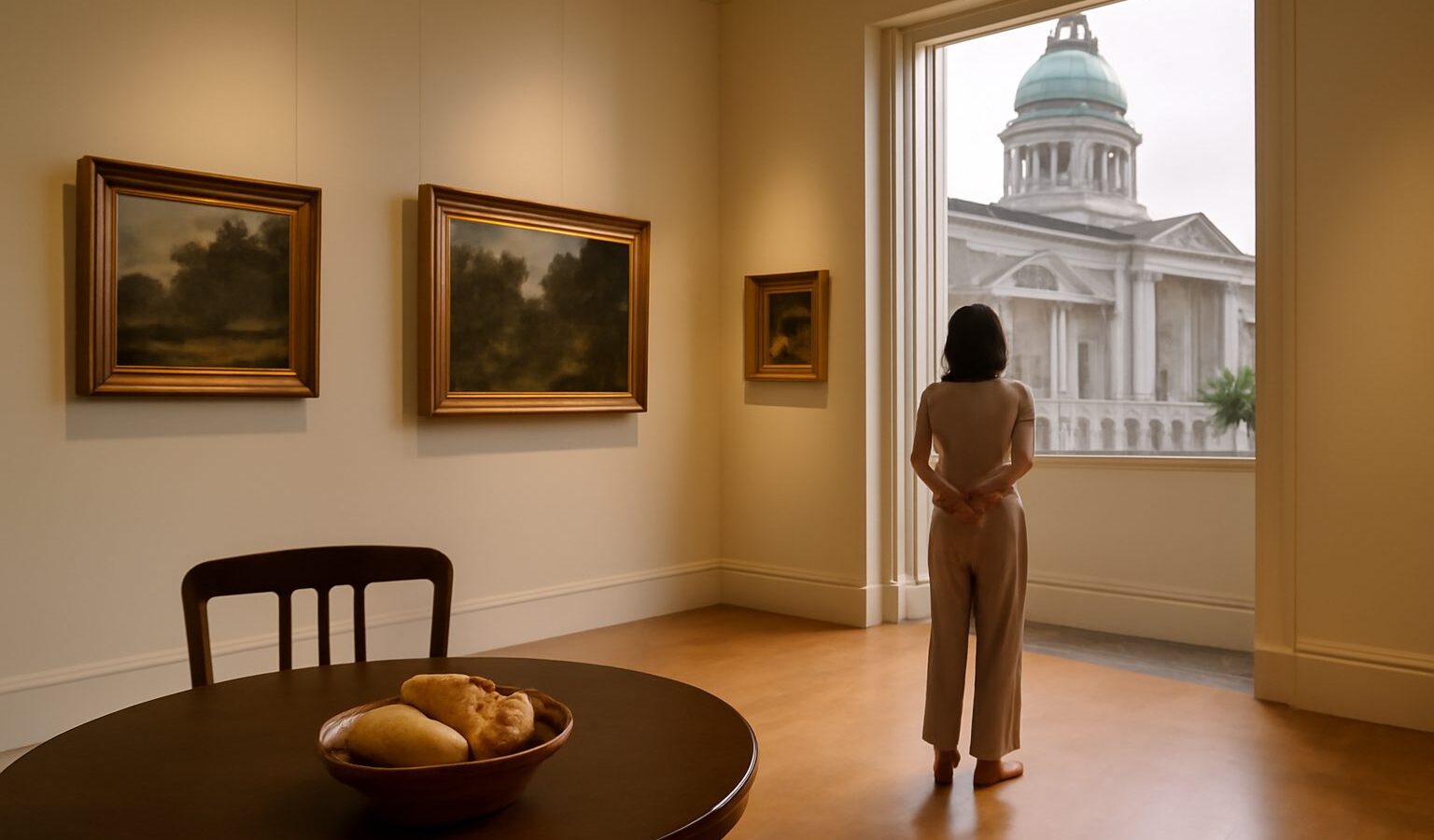
If you want to understand Singapore beyond its food courts and skyline, the art galleries in Singapore are a good place to start. They hold the country’s collection of Southeast Asian painting, they show new work by living artists, and they turn old colonial buildings into public spaces you can wander for free or for a modest ticket. The scene ranges from the grand halls of the National Gallery to small commercial rooms tucked into shophouses and former army barracks. This guide walks you through the main players, what each one is good for, and how to plan a visit that does not leave you footsore and overwhelmed.
The National Gallery as the anchor
The National Gallery Singapore is the natural starting point, and not only because of its size. It occupies two restored civic landmarks in the heart of the city, linked together and reworked into one of the region’s largest art museums. The building itself is part of the experience. You can look up at the layered metal and glass roof, walk out onto rooftop terraces with views over the Padang and the bay, and feel the weight of the old halls that once served very different public functions.
The collection focuses on modern art from Singapore and the wider region. Rather than treating Southeast Asian art as a footnote to Western movements, the galleries place it at the centre and let you trace how artists here responded to colonialism, independence, migration and rapid modern change. You will see everything from early oil paintings and social realist works to sculpture, prints and photography. Because the holdings are broad, most visitors dip into a few sections rather than trying to see it all in one go.
Practical points worth knowing before you visit:
- The permanent galleries and rotating special exhibitions are usually ticketed separately, so check what is on and what is included before you buy.
- Ticketing arrangements often differ for Singapore residents and overseas visitors, and there are sometimes free-entry windows, so verify the current details on the official channels rather than assuming.
- The building has cafes, restaurants and a rooftop bar, which makes it easy to break a long visit into two halves with a meal in between.
Museum galleries beyond the National Gallery
The National Gallery leans historical and regional, but it is one node in a larger museum district. Within walking distance you will find several institutions whose galleries each carry a distinct flavour, and together they let you build a full day of looking without moving your car.
The Singapore Art Museum concentrates on contemporary and often experimental work, including installation and media art, and it has shown work in temporary venues while its main premises undergo redevelopment. The Asian Civilisations Museum, set by the river, frames art through material culture and cross-regional trade, so its galleries are strong on ceramics, textiles, jewellery and religious objects. The National Museum of Singapore weaves art into the story of the nation and stages ambitious visual installations alongside its history galleries. Together these venues mean the phrase “art galleries Singapore” covers far more than paintings on white walls.
If you are trying to understand how these museum galleries relate to one another, see our overview of history museums and heritage centres in Singapore, which maps out the wider institutional landscape.
The independent and commercial gallery scene
Beyond the big public institutions sits a livelier, faster-changing layer of independent and commercial galleries. This is where you meet the current market, discover younger names, and often speak directly with gallery staff about the work.
A cluster of contemporary galleries occupies a set of former military barracks in the south of the island, a leafy compound that has become a recognised destination for gallery-hopping. Elsewhere, dealer galleries and artist-run spaces are scattered through conserved shophouses, arts precincts and repurposed industrial buildings. Entry to commercial galleries is generally free, since their business is selling art, and you are welcome to browse without any pressure to buy. Openings, where a new show is launched, are often relaxed public events and a good way to feel the pulse of the scene.
A few habits make gallery-hopping more rewarding:
- Check opening days carefully, as many independent galleries close on Mondays or open only from midweek.
- Group nearby galleries into one trip so you are not zig-zagging across the island.
- Do not be shy about asking questions, since staff generally enjoy talking about the artists they represent.
- Look out for gallery weekends and art seasons, when multiple spaces coordinate shows and events.
Comparing where to see art
Different venues suit different moods, budgets and levels of interest. The table below gives a rough sense of what each type of space offers so you can match it to your day. Treat the details as general guidance and confirm current specifics before you go, since programmes and arrangements change.
| Venue type | Best for | Typical cost | Good to know |
|---|---|---|---|
| National Gallery Singapore | Southeast Asian modern art and grand architecture | Ticketed, with some free windows | Large; plan for a focused visit |
| Other museum galleries | Contemporary, historical and material culture | Ticketed, varies by show | Clustered in the civic district |
| Former-barracks gallery cluster | Contemporary and commercial work | Usually free | Leafy setting; check opening days |
| Shophouse and artist-run spaces | Emerging artists and local scene | Usually free | Smaller, more intimate rooms |
Planning a visit that actually works
The most common mistake is trying to see everything. The National Gallery alone can fill several hours, so pairing it with one nearby museum is plenty for a single outing. If your interest runs to the contemporary and commercial side, dedicate a separate day to the gallery cluster and a shophouse district, where the pleasure is as much in the walking as the looking.
Wear comfortable shoes, since gallery floors are hard and you will cover more ground than you expect. Singapore’s heat and sudden showers make indoor, air-conditioned galleries an easy refuge in the middle of the day, so slot them into the hottest hours. Photography rules vary between permanent collections and loaned special exhibitions, so watch for signs and ask if you are unsure. Many galleries run free tours, talks and family programmes, and these can transform a passive walk-through into something you actually remember.
Finally, let the buildings themselves be part of the appeal. So much of Singapore’s art now lives inside conserved civic halls, barracks and shophouses that a gallery visit doubles as a lesson in how the city reuses its past. You leave having seen not only the art on the walls but the architecture that frames it.
Explore more
For the buildings that house these collections, read our guide to Singapore architecture styles and our look at the wider Singapore design and creative scene. To place galleries within the country’s performing and visual arts, see Singapore’s theatre and arts scene and the venues at the Esplanade and other arts venues.