
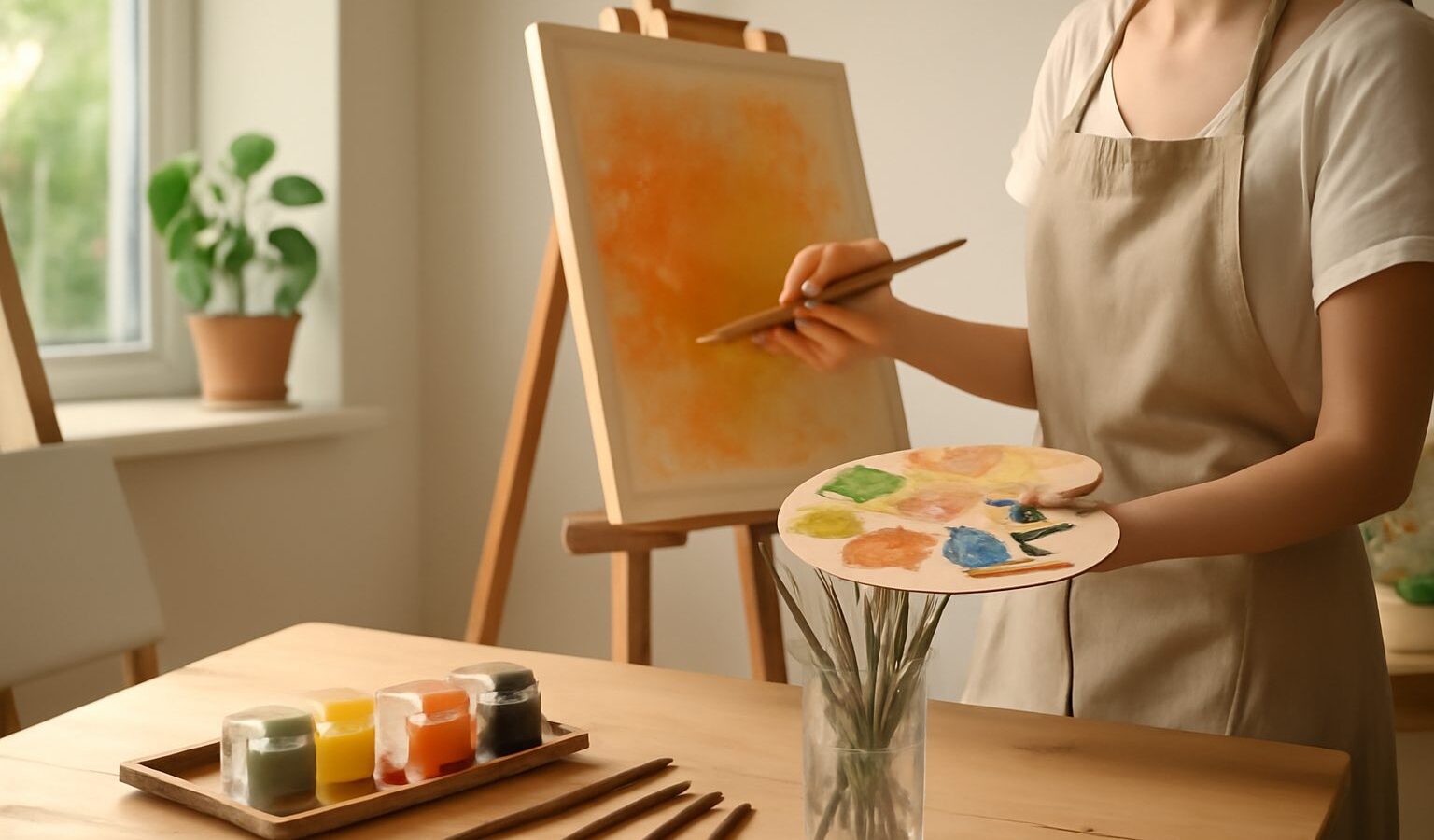
Art jamming in Singapore has quietly become one of the easiest ways to spend a few unhurried hours making something with your own hands. The idea is simple: you turn up at a studio, get handed a blank canvas and a spread of paints, and you go for it. No instructor breathing down your neck, no exam at the end, just you, a brush, and whatever mood you walk in with. It suits people who want a creative outlet without any pressure to be good at it, and it has become a reliable pick for birthdays, date nights, team bonding, and the occasional solo afternoon when you just need to switch your brain off.
If you have never done it, the phrase can sound a bit intimidating, as though you need to already know how to paint. You do not. That is the whole point. This guide walks through what a session actually involves, who tends to enjoy it, the different formats you will come across, and how to get the most out of your time and money.
What Art Jamming Actually Is
At its core, art jamming is unguided, self-directed painting in a shared studio space. You pay for a slot, usually a block of a couple of hours, and within that time you have free run of the materials on offer. Most studios work with acrylics on canvas because acrylic dries quickly, cleans up with water, and forgives mistakes: if you hate what you did, you wait a few minutes and paint straight over it.
The atmosphere is deliberately relaxed. Studios tend to play music, keep the lighting warm, and let people chat while they work. Some run their sessions in comfortable silence, others feel more like a casual social gathering. You are not being taught technique step by step, which is exactly what separates art jamming from a structured painting class. There is no reference image you must copy and no correct result. You might paint an abstract mess of colour, a wobbly landscape, a portrait of your cat, or block letters spelling out something rude. All of it is fair game.
Because the format is so open, it works for a huge range of moods. On a bad week it can be genuinely therapeutic, a form of low-stakes play that adults rarely give themselves permission to do. On a good week it is simply a fun thing to do with people you like.
Who It Suits
The short answer is almost everyone, but a few groups get particular value out of it.
- Complete beginners who feel self-conscious about art. Nobody is grading you, and the low commitment means you can experiment freely.
- Couples looking for something to do beyond dinner and a film. Painting side by side, then swapping canvases or making a matching pair, is a genuinely nice way to spend an evening.
- Groups and colleagues who want a shared activity that does not require athletic ability or awkward icebreakers. It gives everyone something to do with their hands while they talk.
- Parents with children, since many studios welcome families and kids take to it instantly.
- Solo visitors who want a quiet, absorbing way to spend an afternoon, especially handy when the weather rules out anything outdoors.
If you are someone who needs structure and wants to leave with a specific skill, a taught class may suit you better. Art jamming rewards people who are happy to figure things out as they go.
What to Expect in a Session
Arriving at a studio is low-fuss. You will usually be shown to a table or easel, given an apron, and pointed toward the paints, brushes, palettes, and water pots. Canvas sizes vary, and larger canvases generally cost more, so studios often let you choose or size up for an extra fee.
From there, the time is yours. A typical block runs a couple of hours, which sounds long until you are mid-painting and realise it has flown by. Acrylic is the standard medium, though some studios offer alternatives on request. You mix your own colours, layer as much as you like, and let sections dry between coats. Staff are generally on hand if you want a nudge on how to blend a colour or stop your sky turning to mud, but they will not hover.
At the end you take your canvas home. Fresh acrylic can stay tacky, so studios usually advise carrying it flat and giving it time to cure fully before hanging it. Aprons cover most of the mess, but wearing clothes you do not mind getting a fleck of paint on is always the smart move.
Formats and Where to Find Studios
Art jamming is not a single fixed thing. Over the years the format has branched out, and it helps to know the main variations before you book.
| Format | What it involves | Best for |
|---|---|---|
| Classic canvas jam | Free painting on canvas with acrylics, self-directed | First-timers, groups, relaxed afternoons |
| Guided paint session | An instructor walks the room through one themed piece | People who want a little direction and a finished look |
| Fluid or pour art | Pouring thinned paint to create marbled, flowing patterns | Anyone who wants a striking result with less brushwork |
| Private room booking | A whole space reserved for your group | Birthdays, celebrations, team events |
You will find studios spread across the island rather than clustered in one spot. Many sit in central and city-fringe neighbourhoods, tucked into converted shophouses, arts precincts, and creative enclaves where rents suit small independent operators. Others operate out of the heartlands, closer to residential estates, which makes them easy to reach without heading downtown. Some cafes and lifestyle spaces also run art jamming alongside food and drink, blending the activity with a hangout.
Because operators, their session lengths, and their pricing change over time, it is worth checking current details directly before you go rather than relying on old listings. As a rough guide, expect to pay a per-person rate that scales with canvas size and session length, with private bookings and larger groups priced separately. Confirm what is included, since some rates bundle materials fully while others charge extra for bigger canvases or premium paints.
Tips for a Better Session
A few small things make a noticeable difference:
- Book ahead, especially for weekends and evenings, which fill up fast. Walk-ins are sometimes possible but never guaranteed.
- Come with a loose idea, not a rigid plan. A colour scheme or a vague theme gives you a starting point without boxing you in.
- Do not overwork the canvas. Acrylic can go muddy if you keep fiddling. Knowing when to stop is half the skill.
- Let layers dry. Rushing wet paint over wet paint is the most common way to ruin a promising piece.
- Dress for mess and tie back long hair if you are doing pour art, which is gloriously chaotic.
- Ask about photos and drying. Some studios have a nice corner for a snap of your finished work, and most can advise on carrying a wet canvas home safely.
Above all, drop the expectation that it needs to be good. The people who enjoy art jamming most are the ones who treat the result as a souvenir of a pleasant afternoon rather than a masterpiece. Prices and session details change, so verify the current offering when you book.
Explore More
If you like the idea of a low-key, hands-on afternoon, art jamming pairs naturally with other relaxed outings. For quieter creative options, browse our terrarium and candle workshops in Singapore, or see our roundup of rainy day activities in Singapore for when the weather turns. It also makes a lovely, unusual entry on any list of date ideas in Singapore.