
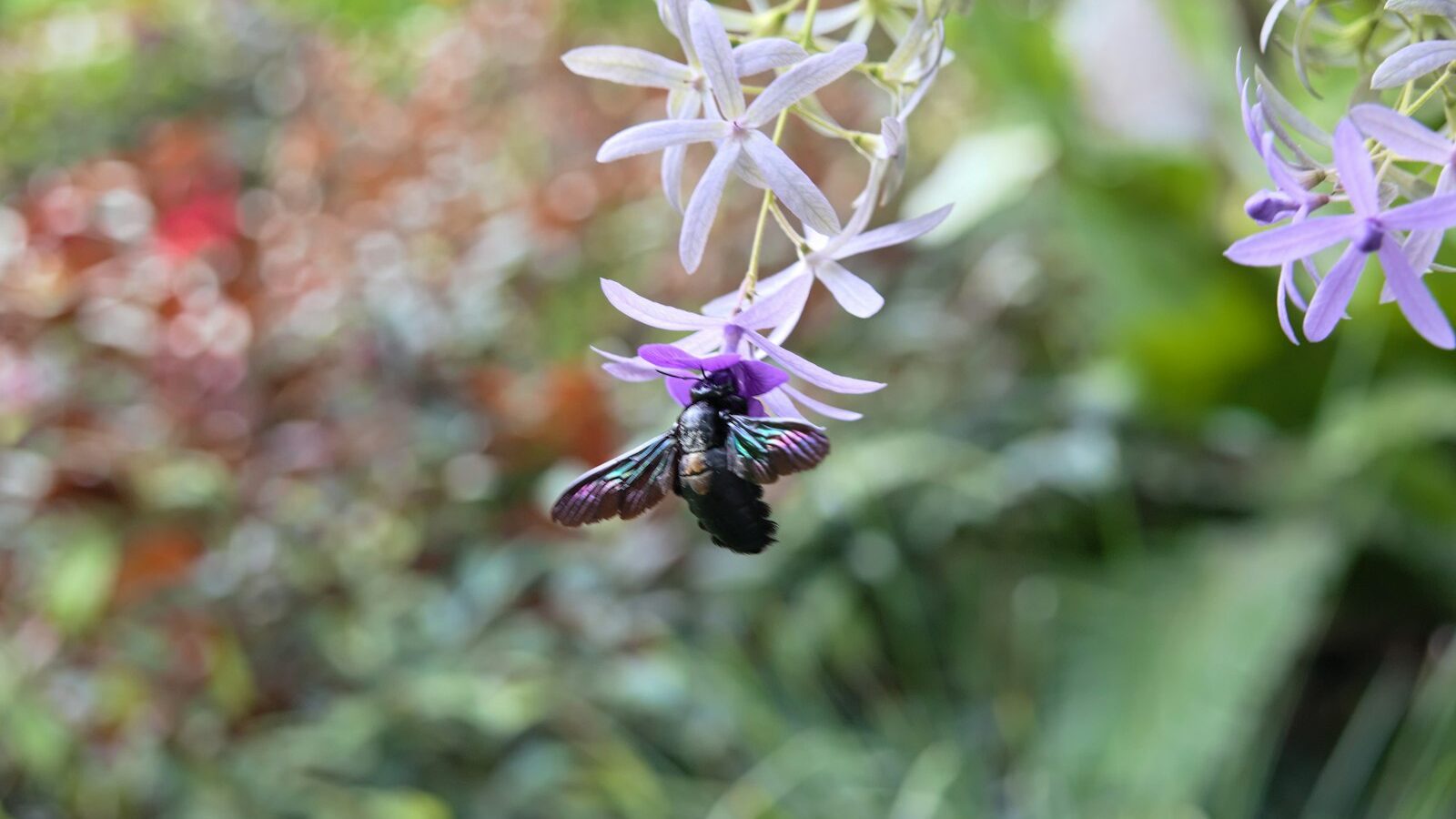
Attracting pollinators to a balcony or small garden is one of the most rewarding things you can do as a home gardener in Singapore. Bees, butterflies, hoverflies and other insects move pollen from flower to flower, which means more fruit on your chilli plant, more beans on your vine and a garden that hums quietly with life. You do not need a big plot or a landed garden to help them. Even a sunny corridor rail lined with the right flowers can become a refuelling stop. This guide covers which plants draw pollinators in our tropical climate, how to arrange a small space to welcome them, and, just as importantly, how to garden in a way that keeps bees safe rather than harming them.
Why Pollinators Matter in a Small Space
It is easy to think of pollinators as a concern only for farms and big gardens, but they matter just as much on a balcony. If you grow anything to eat, from chilli and brinjal to passionfruit and cucumber, those plants need pollen carried between flowers before they can set fruit. Without visiting insects you may see plenty of blooms drop off with nothing behind them. Invite pollinators in and the same plants suddenly begin to crop.
Singapore sits in a warm, flower-rich part of the world, and our pollinators are a diverse bunch. Alongside honeybees you will meet tiny stingless bees, solitary carpenter bees, butterflies, moths and busy hoverflies that many people mistake for wasps. Most are gentle and far more interested in your flowers than in you. A balcony that offers food and a little shelter gives these useful insects somewhere to feed in a city that has fewer wild spaces than it once did, and you get healthier, more productive plants in return.
Plants That Draw Bees and Butterflies
The heart of attracting pollinators is simple: grow flowers that offer nectar and pollen, and keep something in bloom as much of the year as you can. Our climate makes this easy, because there is no real winter and many plants flower continuously if you feed and trim them. Single, open flowers work far better than showy double blooms, whose extra petals often hide or replace the nectar and pollen that insects come for.
Reliable choices for a sunny Singapore balcony include flowering herbs such as basil, mint and Thai basil, which bees adore once you let a few stems flower. Cosmos, sunflowers, zinnias, marigolds, pentas and the humble blue porterweed are all easy, generous nectar sources, and pentas in particular is a well-known butterfly magnet here. If you want to raise butterflies rather than just feed the adults, add host plants such as curry leaf, lime or rue for their caterpillars to eat, and accept that a few chewed leaves are the whole point. Herbs allowed to bloom pull double duty, feeding you and the bees at once, though you should wash any leaves you pick and only eat parts you know are edible.
Designing a Pollinator-Friendly Balcony
How you arrange your plants matters as much as which ones you choose. Pollinators find flowers by sight and scent, so plant in generous clumps of the same colour rather than dotting single plants about; a bold patch of one flower is far easier for a passing bee to spot than a scattered mix. Aim for a run of blooms across the seasons so there is always something open, since a gap with no flowers sends visitors elsewhere.
A few small touches make a big difference in a compact space. Bees get thirsty, so a shallow dish with pebbles poking above a thin film of water gives them a safe place to drink without drowning. Here you must be careful: any standing water in Singapore can breed Aedes mosquitoes, so tip this dish out and refresh it at least every day or two, never let it sit, and follow current NEA and NParks guidance on preventing mosquito breeding. Leave a sunny, sheltered corner a little wild if you can, as many solitary bees nest in hollow stems or bare soil. Group pots to create a layered, sheltered planting that shrugs off strong sun and monsoon wind, and secure everything against falls in line with HDB, town council or MCST rules so nothing tumbles onto a neighbour below.
Gardening Without Harming Bees
Welcoming pollinators means changing how you deal with pests, because the sprays that kill aphids will just as happily kill bees. This is the single most important habit to get right. Insecticides, including many general bug sprays, are toxic to bees and other pollinators, and even so-called natural products can harm them if used carelessly on open flowers.
Always reach for the least-toxic approach first. Pick pests off by hand, blast them away with a jet of water, or use insecticidal soap or neem oil spot-treated onto the affected leaves rather than doused over the whole plant. If you ever do use any pesticide, follow the product label exactly, keep it well away from children, pets and anything you will eat, and never spray open flowers or apply it while bees are active; treating in the evening when pollinators have gone home reduces the risk. Better still, build a garden that needs little spraying at all by keeping plants healthy, encouraging natural predators like ladybirds and hoverflies whose larvae eat aphids, and tolerating a few blemishes. The comparison below sums up the choices that help pollinators against the ones that hurt them.
| Choice | Helps pollinators | Harms pollinators |
|---|---|---|
| Flower shape | Single, open blooms rich in nectar | Double blooms with little nectar |
| Planting style | Clumps of one colour, blooms year-round | Single scattered plants, long flowerless gaps |
| Pest control | Hand-picking, water spray, spot-treated neem | Broad insecticide sprays over open flowers |
| Timing of any spray | Evening, when bees have left | Midday, when pollinators are feeding |
| Water source | Shallow dish emptied every day or two | Standing water left to stagnate |
Keeping Pollinators Coming Back
Once bees and butterflies find a reliable source of food, they will return again and again, so the goal is a garden that keeps giving. Deadhead spent flowers to push plants into producing more blooms, feed lightly and regularly so growth stays lush through our leaching monsoon rains, and top up flowering herbs by sowing fresh batches before the old ones tire. Let a few herbs and vegetables run to flower on purpose rather than pulling them the moment they bolt, as this keeps nectar flowing between your main flushes of bloom.
Give it a little time and observe who visits. You will soon recognise the regulars, from the fat carpenter bee that buzzes your pentas to the tiny stingless bees working your basil. Every flowering pot you add strengthens a small network of food across the neighbourhood, and the payoff shows up on your plate as fuller harvests. Start with two or three easy nectar plants, keep the sprays away, and let your balcony do the rest.
Explore more
A pollinator-friendly balcony works best alongside gentle, natural pest control. See our guides to companion planting in the tropics and growing a fragrant garden to draw in more helpful insects. If aphids or other pests appear, our guide to dealing with mealybugs and scale shows how to treat them without harming bees.