
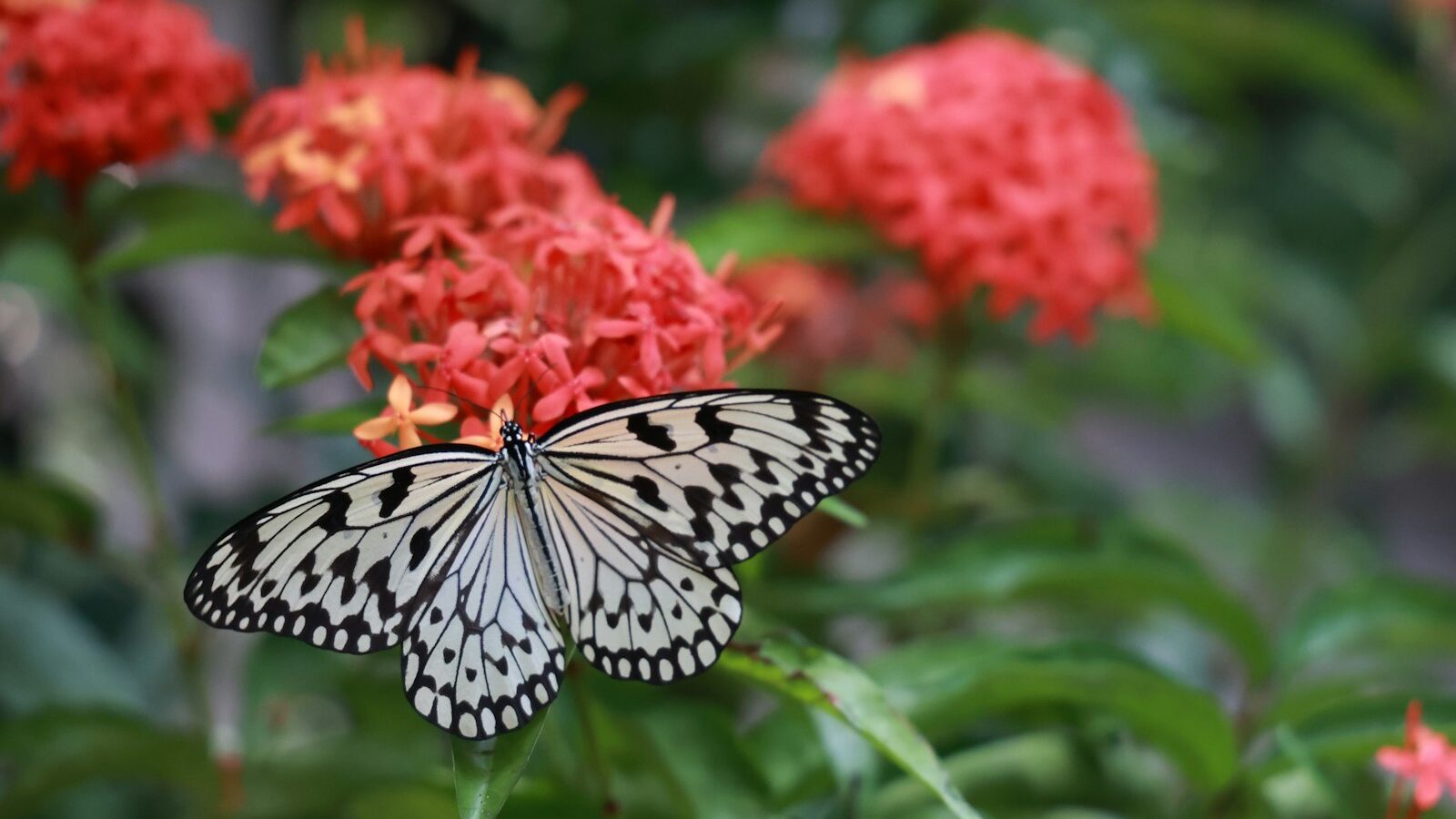
There are few nicer ways to enjoy your green space than watching a butterfly settle on a bloom or a sunbird flit past your balcony. The good news is that a thriving butterfly garden in Singapore does not need acres of land or years of experience. With the right plants and a little patience, even a sunny HDB balcony or a cluster of pots along a corridor can become a small pocket of life. This guide walks you through how to attract butterflies and birds using nectar and host plants that suit our tropical climate, and how to do it responsibly.
Understand What Butterflies and Birds Actually Want
Wildlife visits a garden for two simple reasons: food and shelter. Butterflies need two kinds of plants. Nectar plants feed the adults, offering the sweet fuel they sip through their long tongues. Host plants feed the caterpillars, which are fussy and will only eat specific leaves. A garden with nectar plants alone is like a cafe with drinks but no kitchen; the adults visit, but they do not stay to breed. Plant both and you give butterflies a full life cycle, which means more of them, more often.
Birds want a slightly different mix. Sunbirds and flowerpeckers, two of our most common garden visitors, sip nectar and pick off tiny insects. Others are drawn to small fruits and seeds, or simply to dense foliage where they can perch and shelter from the midday sun and sudden monsoon downpours. Layering your planting, with low herbs, mid-height shrubs and a taller plant or climber, creates the variety of perches and hiding spots that make wildlife feel safe.
Choose the Right Nectar and Host Plants
The plants below thrive in our heat and humidity and are widely loved by local pollinators. Where possible, lean towards native and native-friendly species, which our butterflies and birds have evolved alongside. Crucially, do not plant known invasive species, and do not dig up or harvest wild or protected plants from parks and nature areas. If you are unsure whether a plant is suitable or invasive, check with NParks before you buy or propagate it.
Here is a simple comparison to help you pick what suits your space:
| Plant | Role | Attracts | Light and space |
|---|---|---|---|
| Ixora | Nectar | Butterflies, sunbirds | Full sun, pot or ground |
| Lantana | Nectar | Many butterfly species | Full sun, compact pot |
| Pagoda flower (Clerodendrum) | Nectar | Butterflies, birds | Sun to part shade, shrub |
| Lime or curry leaf plant | Host | Swallowtail caterpillars | Sun, large pot |
| Milkweed (Asclepias) | Host and nectar | Plain tiger butterflies | Full sun, pot friendly |
A balcony grower can start with two or three pots: one nectar shrub such as ixora or lantana, and one host plant such as a potted lime for swallowtails. A landed garden can build the same idea at a larger scale, with flowering shrubs at the border and a small tree for shade and perching.
Keep Water Available Without Breeding Mosquitoes
Birds are far more likely to visit a garden with water, and a shallow bird bath or a saucer of pebbles with a little water gives butterflies somewhere to sip minerals too. This is where you must be careful. In Singapore, standing water is a genuine dengue risk, because Aedes mosquitoes breed in any container that holds water for a few days.
Follow these habits without fail:
- Change the water in any bird bath, dish or saucer at least every other day, and scrub the sides when you do.
- Never let water pool and stagnate in pot saucers or plant trays; tip it out after watering and after rain.
- Loosen any hardened, compacted soil that traps water on the surface.
- Follow NEA’s anti-mosquito advice and do the regular checks around your home.
A little discipline here keeps your garden safe for you, your neighbours and the wildlife you are trying to welcome.
Garden in a Wildlife-Friendly Way
Attracting butterflies and birds is as much about what you avoid as what you plant. Pesticides are the biggest culprit. A spray that kills aphids will also kill the caterpillars and beneficial insects you want, and can harm the birds that eat them. Where you truly must treat a pest, follow the product label exactly, keep the product away from children and pets, and prefer eco-friendly or organic options. Better still, tolerate a few nibbled leaves; those chewed edges are usually a sign that caterpillars are feeding, which is exactly what you want.
Other gentle habits help enormously:
- Plant in clusters rather than single scattered plants, so pollinators can find your flowers easily.
- Aim for something in bloom year round, which our climate makes easy.
- Leave a slightly wild corner with denser foliage for shelter.
- Avoid over-tidying; a few fallen leaves and seed heads feed and shelter small creatures.
What You Need to Start and Where to Buy
You need surprisingly little: a few pots, a free-draining potting mix, a sunny spot, and one nectar and one host plant to begin. Start small, watch what visits, and add from there. It is perfectly fine to begin with a single flowering shrub and grow your collection as your confidence grows.
For plants, local nurseries are your friend. Far East Flora, the cluster of nurseries around Sungei Tengah and Thomson, community nurseries and even IKEA all stock butterfly-friendly flowering plants, and staff can point you to what is in season. Community gardens under NParks’ Community in Bloom programme are also a wonderful place to see pollinator planting in action and to pick up local tips. Prices vary a lot by plant size and nursery, so check the shop rather than budgeting from a fixed figure; expect a range from very affordable small pots to pricier established shrubs.
Give it a few weeks. Once the first butterfly lays its eggs on your host plant, or a sunbird pauses at your ixora, you will be hooked.
Explore more
If you enjoyed this, keep going with our other Singapore gardening guides. For a shared green space, see our guide to community gardens and how to join a gardening community. For more beautiful blooms to grow at home, try a beginner’s guide to orchids.