
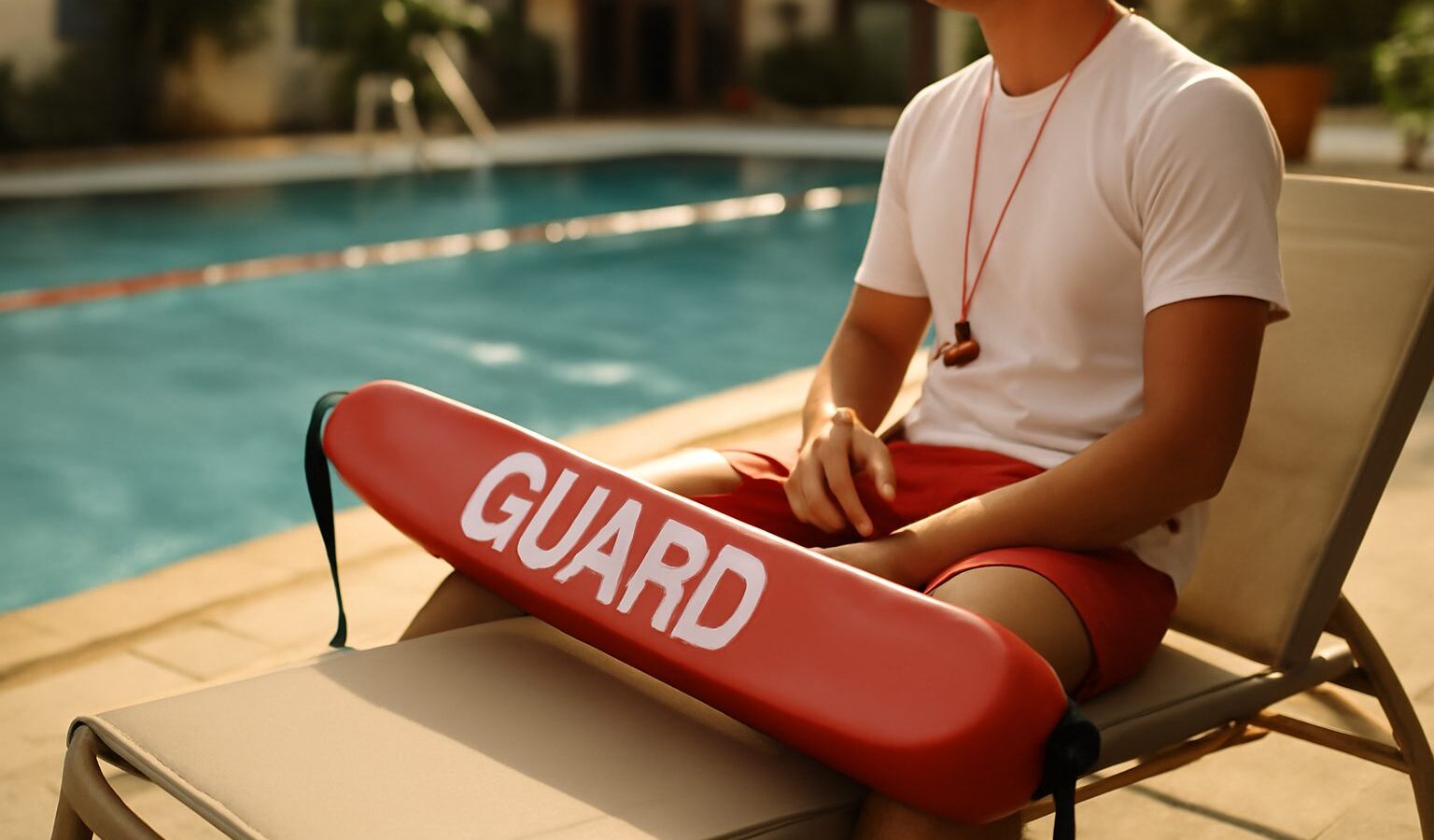
Lifeguarding is one of the few student jobs that comes with a real, transferable qualification. You learn rescue skills, first aid and how to manage crowds, and you can work at public pools, condominiums, clubs, hotels and events. If you are a strong swimmer looking for meaningful part-time work, a lifeguard course in Singapore is a practical first step.
This guide covers the certifications employers usually look for, what training and assessment involve, the kinds of jobs available, and how to keep your qualification valid. Course formats, prerequisites and fees vary by provider and change over time, so always confirm the details with the certifying body or course provider before you sign up.

Who Certifies Lifeguards in Singapore
Lifesaving qualifications in Singapore are awarded by national lifesaving organisations, such as the Singapore Life Saving Society, and delivered through affiliated clubs, schools and training providers. These bodies set the syllabus, run or approve the assessments, and issue the awards.
You will typically come across these types of qualifications:
- Foundation lifesaving awards. These build water safety, rescue strokes and basic rescue techniques. They are often a prerequisite for the lifeguard award.
- A pool lifeguard award. This is the core qualification most pool operators ask for. It covers supervision, rescues, spinal injury management and emergency procedures in a pool setting.
- An open water lifeguard award. For beaches, reservoirs and other open water, where conditions such as currents and visibility add extra challenges.
- CPR and AED certification. Cardiopulmonary resuscitation (CPR) and use of an automated external defibrillator (AED) are core to the role. Some lifeguard courses include this; others require a separate valid certificate.
- First aid. Many employers value or require a recognised first aid certificate in addition to lifesaving awards.
Check with the society or your course provider which awards you need, in what order, and whether your existing certificates are still valid.
What You Need Before You Enrol
Lifeguard courses are physically demanding. Providers usually set prerequisites, which may include:
- A minimum age for the award you are taking.
- Swimming tests, for example a timed distance swim, treading water and surface dives to retrieve an object.
- Holding certain earlier lifesaving awards.
- Being in reasonable health to take part in rescue training.
Prepare honestly. If your swimming is rusty, spend a few weeks building stamina in the pool before your course starts. Practise freestyle and breaststroke over longer distances, treading water with your hands out of the water, and surface dives. Ask your provider for the exact entry tests so you can train for them specifically.
What Training and Assessment Look Like
A typical pool lifeguard course combines classroom theory and pool sessions over several days or weekends. You can expect to cover:
- Supervision and scanning. How to position yourself, scan zones systematically and spot a swimmer in difficulty, who often struggles silently rather than shouting.
- Rescue techniques. Approaches, tows and carries for conscious and unconscious casualties, plus use of rescue equipment such as rescue tubes.
- Spinal injury management. Recognising possible spinal injuries and stabilising a casualty in the water, usually with a team.
- Resuscitation. CPR and AED skills, practised until they become automatic.
- Emergency action plans. Communicating with teammates, clearing the pool and calling for emergency help.
Assessment usually includes a written or oral theory test and practical scenarios in the water. Assessors look for safe, correct technique under pressure, not just speed.
Certification Pathways Compared
| Pathway | Where it leads | Best for |
|---|---|---|
| Foundation lifesaving awards only | Better personal water safety, a stepping stone to lifeguarding | Younger students or those not yet ready for lifeguard training |
| Pool lifeguard award plus CPR and AED | Supervising public, school, condo and hotel pools | Most students seeking part-time lifeguard work |
| Open water lifeguard award | Beach, reservoir and open water events | Experienced pool lifeguards wanting varied work |
| Instructor or assessor awards | Teaching lifesaving and swimming courses | Long-term lifeguards building a coaching path |
Finding Part-time and Full-time Lifeguard Work
Once certified, you have several options:
- Public swimming complexes. Large public pools need lifeguards across long opening hours, often with shift work on weekends and school holidays.
- Condominiums and clubs. Many private pools engage lifeguards directly or through manpower and facility management companies.
- Hotels and resorts. Pool decks and water features may require trained staff.
- Events and water sports. Open water swims, triathlons and water activities often hire lifeguards on a per-event basis.
- Schools and camps. Swimming lessons, school carnivals and adventure camps may need certified lifeguards on standby.
When applying, check:
- Which certificates the employer requires and whether yours are current.
- Shift lengths, rest breaks, and how they handle extreme heat at outdoor pools.
- Whether pay is hourly or per shift, and when you are paid.
- Whether uniforms, sun protection and refresher training are provided.
- Insurance coverage while you are on duty.
For students, lifeguarding can fit around timetables. Weekend and holiday shifts are common, and some lifeguards move into swimming coaching or sports management later. If you are weighing it against other study and career plans, our guides on choosing a course and career fit and taking a short course or microcredential may help.
Keeping Your Certification Valid
Lifesaving awards and CPR certificates do not last forever. They typically need to be renewed or requalified within a set period, which is determined by the certifying body. Keep a note of expiry dates and book requalification early, because popular slots fill up.
Between courses, keep your skills sharp:
- Swim regularly to maintain fitness.
- Join in-service drills offered by your employer.
- Review CPR guidelines, since resuscitation protocols are updated over time.
- Debrief with teammates after any incident to learn from it.
Is Lifeguarding Right for You
The job suits people who stay alert during long, quiet periods, communicate calmly, and are comfortable taking charge in an emergency. It is not just sitting in the sun. You will spend hours scanning the water, enforcing pool rules politely and sometimes dealing with difficult swimmers. In return, you gain a qualification that shows responsibility, physical fitness and first aid skills, all of which look good on a CV for any future job.
Start by contacting a national lifesaving body or an affiliated training provider, ask for the current course list and entry tests, and begin training in the pool now. With a few months of preparation, many confident swimmers can complete a lifeguard course and start working.
Further reading: How to Become a Swimming Coach in Singapore · How to Become a Certified Yoga Instructor in Singapore · How to Become a Firefighter With the SCDF