
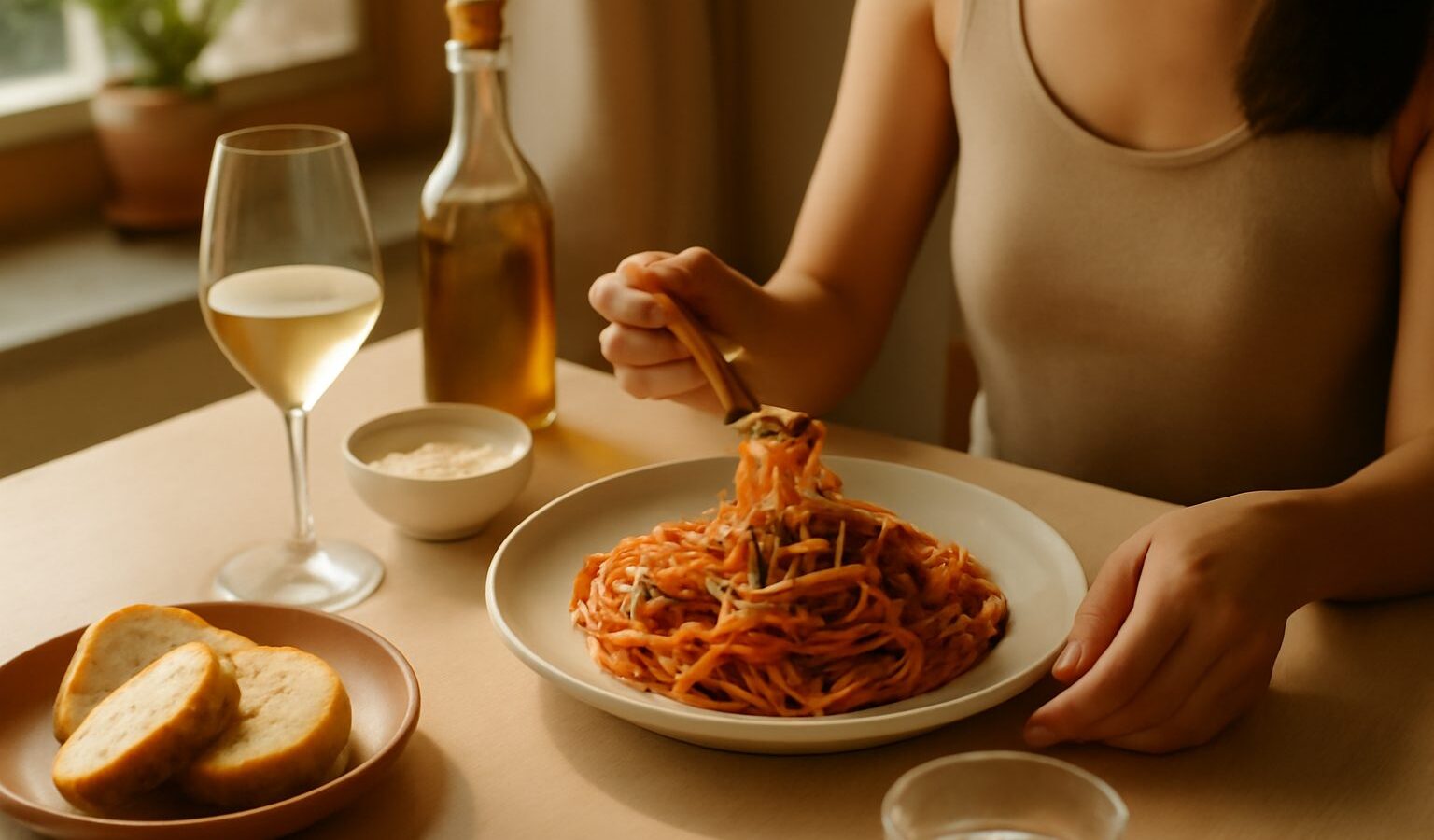
Italian food is one of the most reliable pleasures in the city, and finding the best Italian Singapore has to offer is less about chasing a single famous name and more about understanding what makes a kitchen good. From casual pasta bars to wood-fired pizzerias and proper regional trattorias, the range here is wide. This guide walks through the styles you will encounter, the areas where Italian dining clusters, and simple ways to tell a thoughtful kitchen from a tired one.

Know the Styles Before You Book
Italian cooking is regional at its heart, and the better restaurants make a point of it, so it helps to recognise what you are ordering.
Pasta is the obvious draw, and the key thing to look for is whether it is made fresh or cooked to order properly. Fresh egg pastas like tagliatelle and ravioli have a different texture from dried pasta such as spaghetti and penne, and both are legitimate. What matters is that the pasta arrives al dente, meaning with a slight bite, and that the sauce clings to it rather than sitting in a pool. Classic sauces to know include a simple tomato and basil, a rich ragu, a garlic and oil aglio e olio, and a proper carbonara made with egg and cured pork rather than cream.
Pizza is the other pillar. Neapolitan style pizza, baked fast in a very hot wood-fired oven, gives you a soft, slightly charred, puffy crust and is best eaten immediately. Roman style tends to be thinner and crisper. Neither is more authentic than the other, they are simply different traditions, so pick by preference.
Beyond pasta and pizza, fuller Italian menus offer antipasti to start, such as cured meats, cheeses, and grilled vegetables, followed by secondi like fish or meat mains. A kitchen that handles these well, and that lists regional dishes rather than only the greatest hits, usually signals a cook who cares.
Where Italian Dining Clusters
Italian restaurants are spread across the island, but a few patterns hold. The city centre and the riverside and quayside dining stretches carry a high concentration of Italian restaurants, from smart dinner spots to lively casual places, and they suit an evening out. Lifestyle malls almost always have at least one solid pasta and pizza option, which is convenient for families and groups. Neighbourhood enclaves and the areas popular with the expatriate community tend to hide smaller, owner-run trattorias and delis, and these are often where you find the most personal cooking.
If you are deciding between areas for a night out, our overview of Singapore’s dining districts is a useful companion, and our guide to Italian food in Singapore goes further into dishes and ingredients.
How to Spot a Good Italian Restaurant
A few signals separate the strong kitchens from the forgettable ones.
Look at the menu length. A focused menu, especially for pizza and pasta, usually means the kitchen is cooking to order and doing a smaller number of things well. An enormous menu spanning every cuisine is a warning sign.
Check how they treat ingredients. Good olive oil, real Parmigiano rather than a generic hard cheese, San Marzano style tomatoes, and proper cured meats all lift a meal. Many quality places will name these on the menu, which shows intent.
Watch the pizza oven if there is one. A visible wood-fired or high-temperature oven, and pizzas that come out fast and blistered, is a good sign. Pizzas that arrive slowly and uniformly pale often came from a low oven.
Read recent reviews and photos before you commit, since standards shift with chef changes. Look for comments on the pasta texture and the crust specifically, as those two things reveal the most.
Practical Tips for Eating Well
Book ahead for weekend dinners and for the popular riverside spots, as walk-in space is limited. If you want the best pizza experience, eat it the moment it lands, because a Neapolitan crust softens quickly. Do not be shy about ordering pasta as a first course and a main to follow if you are dining Italian style, though sharing a couple of pastas and a pizza across the table works well for groups too.
Halal status varies from outlet to outlet, so check per restaurant if that matters to you, since many Italian menus feature pork in the cured meats and in dishes like carbonara. Prices and menus change over time, so treat this as a guide to eating well rather than a fixed list, and always confirm current details and reviews before you head out.
For more ideas across cuisines, our roundup of the best restaurants in Singapore sits alongside this one and can help you plan a fuller week of dining. With a little knowledge of the styles and a few checks on quality, finding genuinely good Italian food in the city becomes easy.
Frequently Asked Questions
How do I tell fresh pasta from dried pasta on a menu? Menus often say so, and the shape is a clue. Fresh egg pastas such as tagliatelle and ravioli are usually made in-house, while spaghetti and penne are normally dried. If it is not stated, simply ask your server, since both kinds can be excellent when cooked properly.
Should I order pasta as a starter and a main? You can, because that is how a traditional Italian meal is structured. Pasta comes as a first course, followed by a fish or meat main. Many diners here prefer to share a couple of pastas and a pizza, which also suits groups and smaller appetites.
Is Neapolitan pizza better than Roman style pizza? Neither is better, because they are different traditions. Neapolitan pizza has a soft, puffy, lightly charred crust and is best eaten the moment it arrives. Roman style is thinner and crisper. Choose according to whether you like chewy or crunchy crusts.
Is carbonara supposed to have cream in it? No, a classic carbonara is made with egg and cured pork rather than cream. If a menu lists cream, it is a creamy pasta variant rather than the traditional version. A kitchen that follows the classic method is often a good sign of care.
Can I find halal-friendly Italian food easily? Halal status varies by restaurant, so it is worth checking each place. Italian menus often feature pork in cured meats and in dishes like carbonara. Look for halal certification or ask staff how dishes are prepared before you book.
Further reading: How to Make Fresh Pasta at Home