
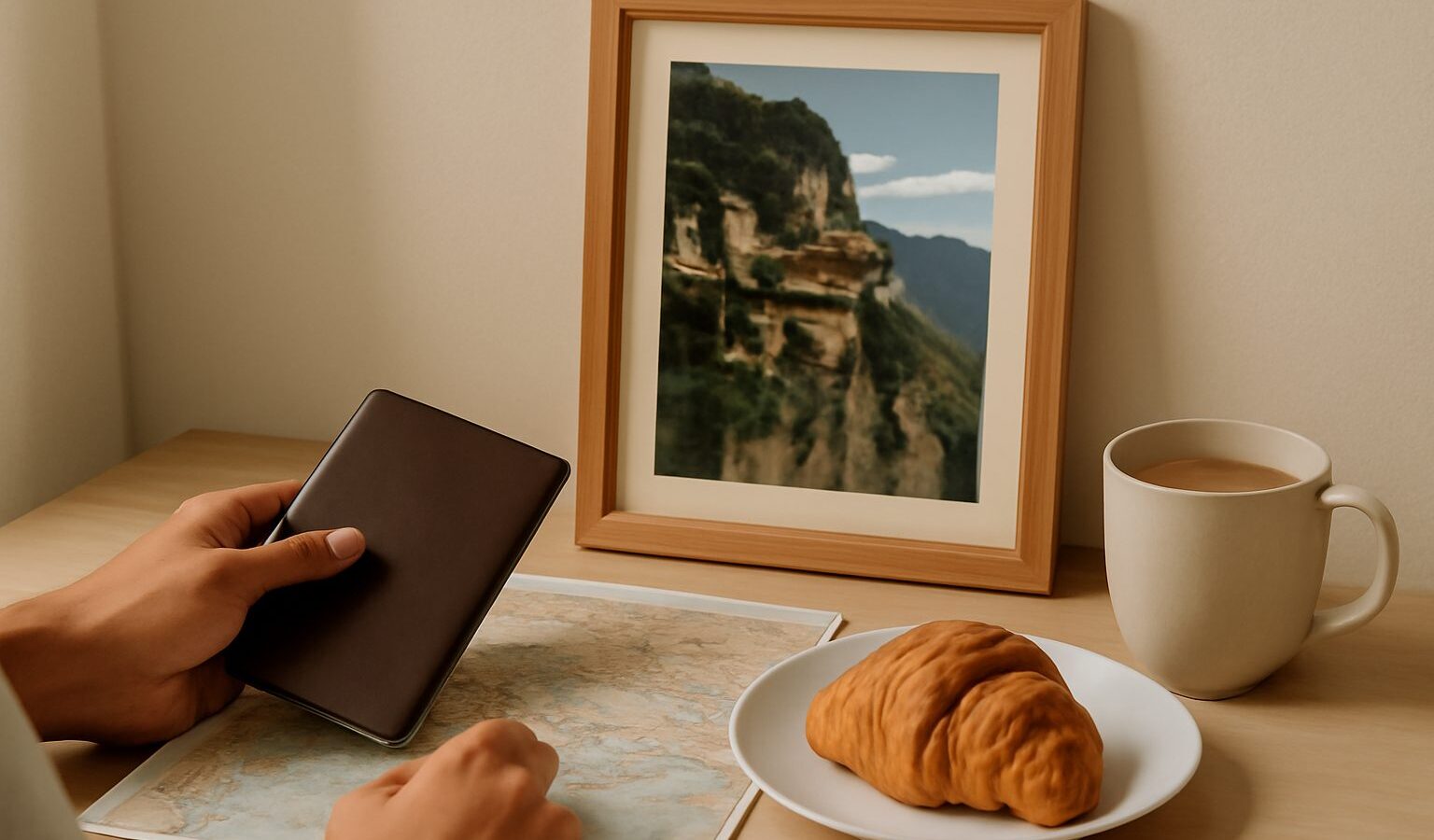
Planning Bhutan from Singapore leads you to a Himalayan kingdom that has chosen a careful, unhurried path, one of monasteries clinging to cliffs, fortress-monasteries in every valley, and a landscape of terraced fields and forested ridges. Bhutan is famous for measuring progress by wellbeing as much as growth, and it manages tourism deliberately to protect its culture and environment. For Singaporeans seeking something rare, respectful and genuinely different, Bhutan is a special, once-considered journey.
This guide covers why Bhutan is worth your time, when to visit, the highlights you should not miss, how to get there and get around, and who the destination suits best, with clear notes on the country’s distinctive travel rules.
Why go to Bhutan
Bhutan feels like nowhere else. Traditional architecture is the norm rather than a relic, with grand dzongs, whitewashed farmhouses and prayer-flag-draped passes shaping every view. Buddhist culture runs deep and visibly, in the monasteries, festivals and daily rituals, and the country’s protected forests and clean air lend the whole place a serene, unspoilt quality.
Crucially, Bhutan manages tourism to keep it sustainable. Independent, unguided budget travel is not the model here. Visitors generally arrange their trip through a licensed operator on a planned itinerary, and travellers typically pay a Sustainable Development Fee that supports the country’s conservation and social programmes. The exact rules, fees and arrangements can change, so verify the current requirements through official Bhutanese channels well before you book, and work with a licensed operator to handle the details.
The reward for this approach is a country that feels calm, cared for and authentic. Sights are rarely crowded, the scenery is magnificent, and the emphasis on culture and nature makes for a thoughtful, immersive trip rather than a checklist of attractions.
When to visit
Bhutan is mountainous, so the weather varies with altitude and season, and timing shapes both the views and the experience. The most popular months are in autumn and spring, when skies are often clear, the air is comfortable and the country’s colourful festivals frequently take place. These periods offer the best balance of weather and cultural spectacle.
Summer brings the monsoon, with rain, cloud and lush green valleys, while winter is cold, especially at altitude, but clear and quiet, with some high passes affected by snow. Here is a simple seasonal comparison to help you plan.
| Season | Weather | What stands out | Crowds |
|---|---|---|---|
| Spring | Mild, mostly clear | Blooms, festivals, good hiking | Busy |
| Autumn | Clear and cool | Festivals, best mountain views | Busy, peak period |
| Monsoon | Wet, cloudy | Green valleys, fewer visitors | Quieter |
| Winter | Cold, often clear | Crisp views, quiet dzongs, snow up high | Quieter |
If you hope to catch a festival, plan around its dates well ahead, as they follow the traditional calendar and draw more visitors. Coming from Singapore, expect cool to cold conditions, particularly in the evenings and at higher altitude, and pack warm layers.
Highlights not to miss
The iconic sight is the cliffside monastery perched high above the Paro valley, reached on a rewarding uphill hike. Its dramatic setting makes it one of the most photographed places in the Himalaya, and standing before it is a highlight of most itineraries. Allow time and reasonable fitness for the walk, and go at a steady pace.
Beyond it, the great dzongs, fortress-monasteries that serve as administrative and religious centres, are architectural marvels in valleys such as Paro, Thimphu and Punakha. The capital, Thimphu, offers craft workshops, markets and viewpoints, while the drives between valleys cross high passes strung with prayer flags and open onto sweeping mountain vistas. Where festivals are on, the masked dances and community gatherings are a vivid window into living tradition.
Throughout, respect is essential. Dress modestly, covering shoulders and knees, especially at religious sites, remove shoes and hats where required, and always ask before photographing people, ceremonies or restricted interiors, as photography is sometimes not allowed. Follow your guide’s advice on etiquette. Some passes and walks reach high altitude, so ascend gently and rest if you feel unwell, treating this as general information rather than medical advice and seeing a travel clinic before you go.
How to get there and get around
Bhutan’s main gateway is the airport at Paro, and flights are limited and operated into a dramatic mountain valley, so schedules and routings should be checked carefully close to your dates. Most travellers reach Paro via a regional transit point, and because tourism is arranged, your operator will usually help coordinate flights and transfers. Always verify current flight routes, connections and prices, and confirm entry requirements, the Sustainable Development Fee and any permits through official Bhutanese channels and Singapore’s MFA travel advisories before you go.
Within Bhutan, travel is typically by private vehicle with a guide and driver as part of your arranged itinerary, which suits the winding mountain roads and scattered sights. Journeys between valleys can be long and slow, so days are planned around realistic drive times. This guided model means logistics are largely taken care of, letting you focus on the culture and scenery, though it also means flexibility is set within your planned programme.
Who it suits and budget
Bhutan suits travellers who value culture, nature and a slower, more meaningful style of travel, and who are comfortable with a planned, guided itinerary rather than spontaneous backpacking. It works well as a trip of several days to a week or more, taking in the key valleys, a festival if timed right, and the signature cliffside hike. Couples and reflective travellers especially appreciate the calm and the scenery, while active visitors can add hikes and higher walks.
Budget reflects the country’s managed model, with the Sustainable Development Fee and arranged services meaning Bhutan is generally a higher-cost destination than some neighbours, though what you receive is a carefully curated, low-impact experience. As always, avoid locking in fixed figures far in advance, verify current fees and rules, and check live prices when you plan. Prepare for cool weather and altitude, respect local customs and religious sites, and arrange suitable travel insurance before departure.
Bhutan is not a spur-of-the-moment trip, but for travellers willing to plan ahead and travel respectfully, it offers a rare kind of journey, and many Singaporean visitors describe it as one of the most memorable places they have ever been.