
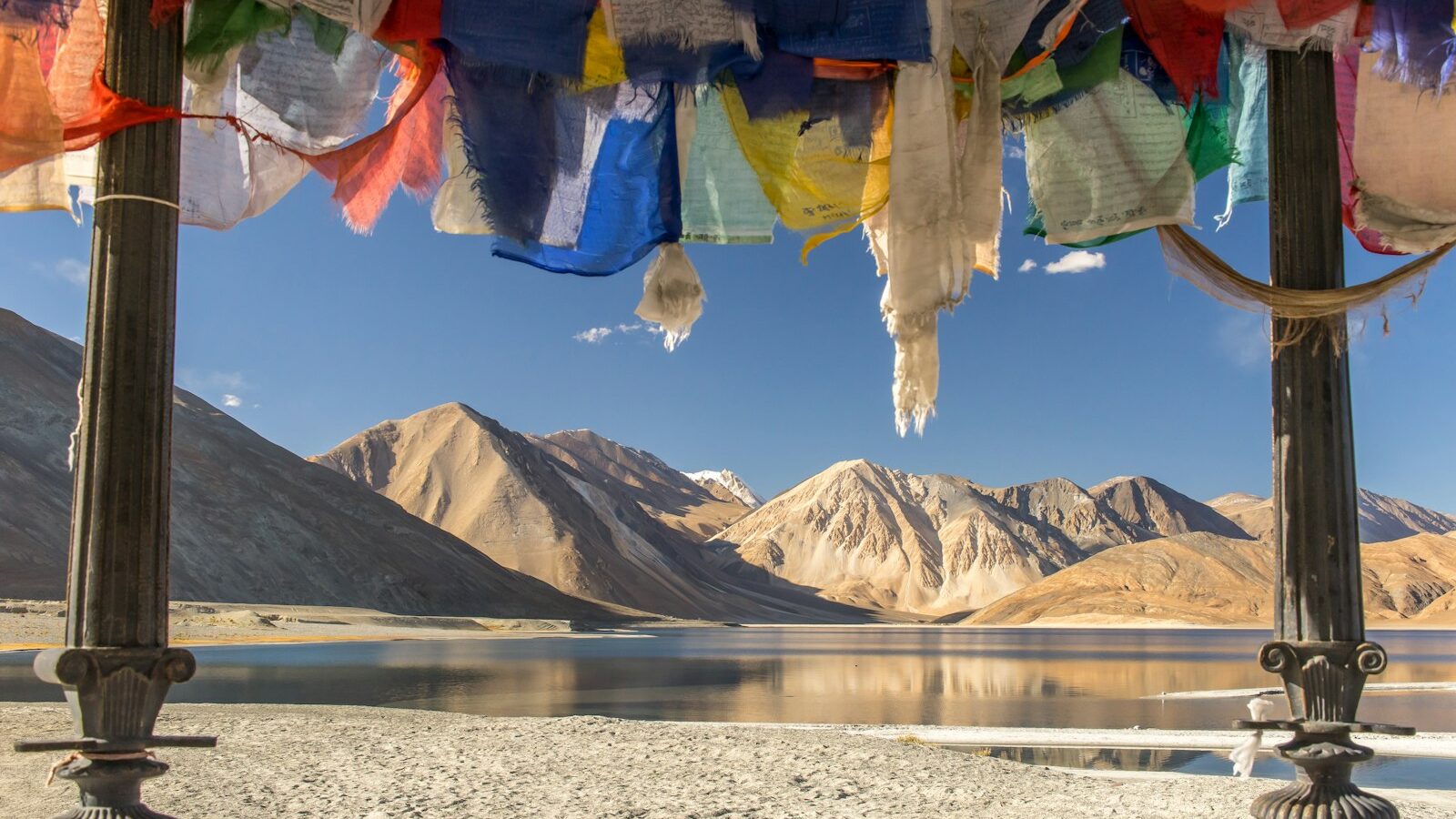
Leh Ladakh from Singapore is a journey to the high Himalayan desert of northern India, a landscape of stark brown mountains, cobalt lakes, ancient monasteries and thin, dazzling air. This guide explains how to get there, when to go and what to see, with a strong focus on the altitude, which shapes every part of a Ladakh trip. Treat this as a general overview only, and always confirm current visa rules, permits, flight options and prices yourself, as these change regularly.
Getting there from Singapore
There is no direct flight. The usual approach is to fly from Singapore to a major Indian hub such as Delhi, then take a domestic flight up to Kushok Bakula Rimpochee Airport (IXL) in Leh, the region’s main town. The mountain flight is short but spectacular, and morning departures are common because afternoon winds can disrupt schedules.
An adventurous alternative is the overland route, driving up from Manali or Srinagar over high passes. These roads are seasonal, physically demanding and only open in the warmer months, but they allow gradual acclimatisation, which is a genuine health advantage over flying straight into Leh. Whichever you choose, keep connections loose, as weather can delay both the mountain flight and the passes. Book domestic legs early, especially over the short peak season.
Best time to visit
Ladakh is effectively a summer destination for most travellers. The main window runs roughly from late May to September, when the passes are open, road access to the valleys is reliable and daytime temperatures are pleasant, though nights stay cold. This is when Pangong Lake, Nubra Valley and the high roads are most accessible.
Outside this window the region turns bitterly cold, many roads close and access narrows to the air link into Leh, though hardy visitors do come for winter landscapes and frozen-river treks with specialist operators. The shoulder edges of the season can be quieter but riskier for road access, so check conditions carefully. Whenever you travel, pack for large swings between warm sun and freezing nights.
Top things to see and do
Leh town itself is the natural starting point, home to its hilltop palace, nearby monasteries such as Thiksey and Hemis, and a compact bazaar. Crucially, your first day or two here should be spent resting and acclimatising rather than sightseeing hard.
Once adjusted, the great draws lie beyond. Pangong Lake, straddling the border region at very high altitude, is famous for water that shifts through astonishing blues as the light changes through the day. Nubra Valley, reached over one of the world’s highest motorable passes, offers sand dunes, villages and a very different desert-and-oasis feel. Monastery visits, short valley walks and the surreal moonscapes around Lamayuru round out a classic itinerary, while the confluence of the Indus and Zanskar rivers is a striking stop on the Leh side. Local festivals at the monasteries, if your dates align, bring masked dances and colour. Every one of these sits at serious elevation, so pace yourself, keep days gentle at first, and never rush to the highest points before your body has properly adjusted.
Comparing your route in
| Route into Ladakh | Season | Altitude consideration |
|---|---|---|
| Fly Delhi to Leh | Most of the year for the flight | Fast ascent, higher acclimatisation risk |
| Overland via Manali | Warmer months only | Gradual gain, better for adjusting |
| Overland via Srinagar | Warmer months only | Gradual gain, generally gentler start |
Where to stay
Leh town is where most visitors base themselves, with a wide spread of guesthouses and homestays clustered around the centre and the quieter lanes uphill, plus more comfortable stays on the outskirts with mountain views. It suits first-timers who want food, permits and transport easily arranged in one place, and it is the natural spot to spend your acclimatisation days close to help if you need it.
For the valleys, Nubra and the Pangong area have simpler guesthouses, homestays and seasonal tented camps that let you overnight rather than making punishing day returns, which is far kinder on your body. Village homestays across the region offer an authentic and low-impact way to experience Ladakhi life. Wherever you stay, confirm heating arrangements for cold nights and book valley accommodation ahead in peak season, as options are limited.
Practical tips
Singapore passport holders will generally need an Indian visa. Confirm the latest requirements through ICA advisories and the Indian visa authorities, and check whether inner-line permits are required for restricted areas such as Nubra and Pangong, arranging these through a registered agent in Leh.
The currency is the Indian rupee. Carry enough cash, as ATMs are limited outside Leh and can be unreliable in the valleys. Getting around is mostly by hired car with a driver or shared taxi, since distances are long and roads are rough. Budgets are flexible, from modest homestays to comfortable hotels, though transport over such distances adds up.
Altitude is the single most important issue. Leh sits well above 3,000 metres and altitude sickness is real and potentially serious. Acclimatise for at least a day or two on arrival, ascend gradually, stay well hydrated, avoid alcohol early on and do not push higher if you feel unwell. This is general information and not medical advice, so see a doctor or a travel clinic before you go, especially if you have any heart, lung or other health condition. On etiquette, dress modestly at monasteries, remove shoes where required and ask before photographing people.
A final word
Ladakh is demanding but deeply rewarding, a region best met with patience, respect for the thin air and time to let your body adjust. Plan a route that suits your acclimatisation, travel in the right season, and this high desert will reward you with some of the most extraordinary landscapes in Asia.
Explore more: Delhi from Singapore · Nature and adventure travel from Singapore · Travel health and vaccinations from Singapore