
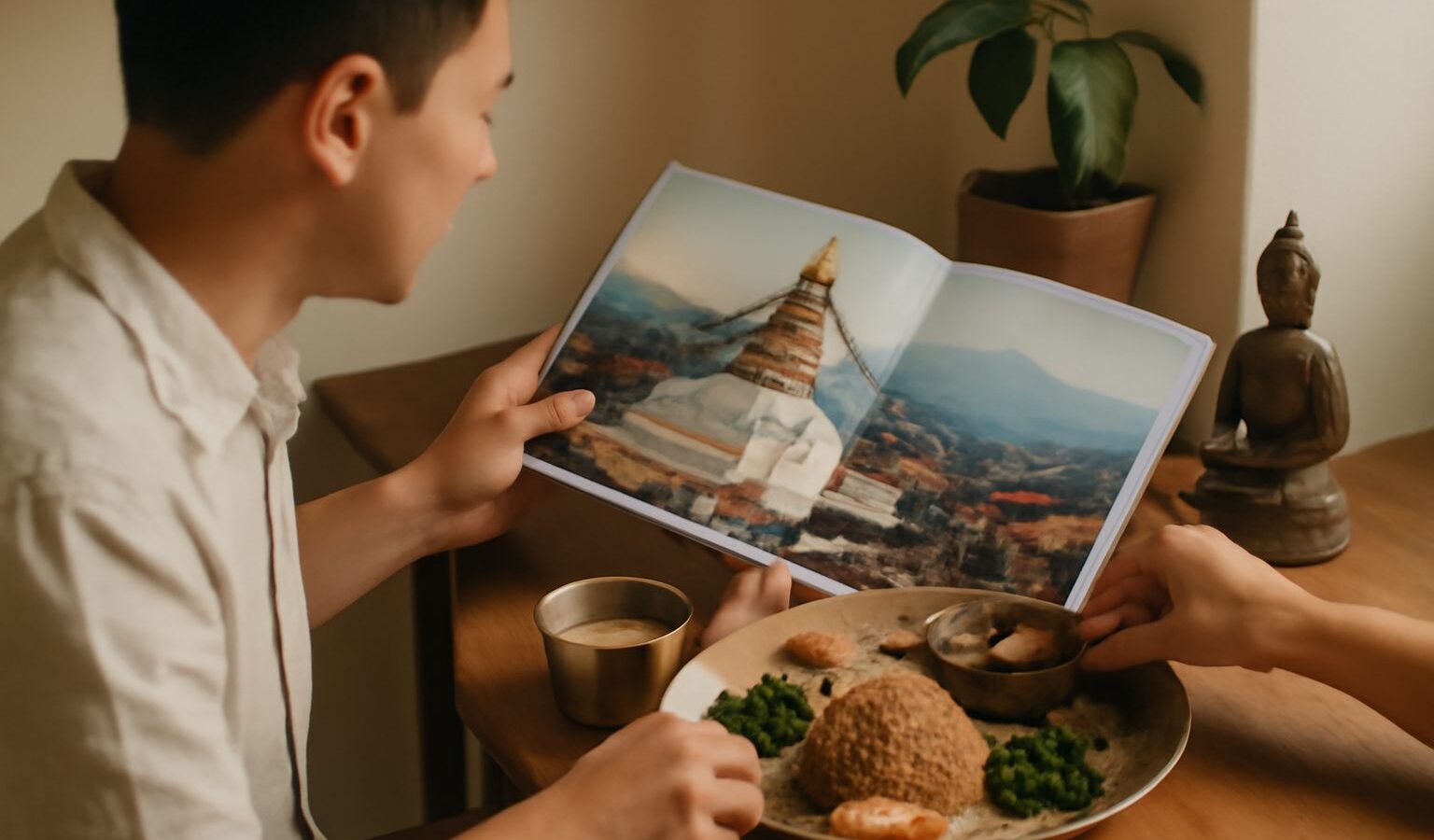
Planning Nepal from Singapore opens the door to the Himalayas, a country where ancient temple towns sit in the shadow of the highest mountains on earth. Kathmandu, the capital, is a swirl of shrines, markets and history, and it is also the springboard for treks towards Everest, the Annapurnas and beyond. For Singaporeans drawn to mountains, culture and a sense of adventure, Nepal offers an experience quite unlike a city break or a beach holiday.
This guide covers why Nepal is worth your time, when to visit, the highlights you should not miss, how to get there and get around, and who the destination suits best, with honest notes on altitude and preparation.
Why go to Nepal
Nepal packs an extraordinary range into a compact country. In the Kathmandu Valley alone you can visit centuries-old temple squares, gilded stupas and hillside shrines, all within a short drive of one another. The living religious culture, blending Hindu and Buddhist traditions, means these are not museums but places of daily worship, so respectful behaviour is essential.
Then there are the mountains. Nepal is the trekking capital of the world, with routes ranging from gentle valley walks to demanding high-altitude expeditions towards Everest Base Camp and the Annapurna region. Even non-trekkers can enjoy mountain views from hill towns, scenic flights and lakeside resorts. Add wildlife parks in the lowlands, rafting rivers and warm hospitality, and Nepal rewards many kinds of traveller.
What ties it together is atmosphere. Prayer flags flutter over ridgelines, temple bells ring at dawn, and the sheer scale of the Himalaya lends everything a quiet grandeur. It is a country that tends to leave a lasting impression.
When to visit
Nepal’s weather varies hugely with altitude and season, and timing matters, especially for trekking. The most reliable months for clear mountain views and stable trekking conditions are autumn and again spring, when skies are often crisp and the high routes are at their best. These are the busy seasons for good reason.
Summer brings the monsoon, with rain, cloud and leeches on some trails, though the lowlands and valley remain green. Winter is cold, particularly at altitude, with snow on high passes but clear, quiet days lower down. Here is a simple seasonal comparison to help you plan.
| Season | Weather | What stands out | Crowds |
|---|---|---|---|
| Autumn | Clear, stable, cool at height | Best trekking and mountain views | Busy, peak period |
| Spring | Warming, mostly clear | Rhododendron blooms, good trekking | Busy |
| Monsoon | Wet, cloudy | Green valleys, quieter trails, wildlife | Quieter |
| Winter | Cold, clear lower down | Crisp views, fewer crowds, snowy passes | Quieter |
If trekking is your goal, target autumn or spring, and build in buffer days for weather. Coming from Singapore, remember that even Kathmandu is cooler than home, and the mountains are cold, so pack proper layers.
Highlights not to miss
In and around Kathmandu, the old royal squares, the great stupas and the hilltop temples are the cultural heart of any visit. Wandering the valley’s historic towns, watching rituals unfold and browsing craft markets can easily fill several days. Dress modestly at temples, remove shoes where required, ask before photographing people or ceremonies, and follow local etiquette at religious sites.
For mountains, the classic trekking regions towards Everest and the Annapurnas draw walkers from around the world, with teahouse lodges making multi-day routes accessible. Shorter treks and viewpoint hikes suit those with less time. The lakeside town that serves as a trekking gateway is a relaxed base with mountain reflections, while the southern national parks offer safaris in search of rhinos and other wildlife.
A word of realism on altitude. Many treks climb high, and altitude affects people unpredictably, regardless of fitness. Ascend gradually, allow acclimatisation days, stay hydrated, and descend if you feel unwell. This is general information rather than medical advice, so consult a travel clinic before you go, and arrange travel insurance that specifically covers trekking and, where relevant, high-altitude rescue.
How to get there and get around
Nepal’s main international gateway is Kathmandu, and depending on schedules you may reach it on a direct service or via a transit hub, so options change and should be checked close to your dates. Always verify current flight routes, connections and prices, and confirm visa and entry requirements through official channels, including Nepal’s authorities and Singapore’s MFA travel advisories, before you go. Many travellers obtain a visa on arrival or in advance, but rules can change, so check the latest guidance and carry what is required.
Within Nepal, roads can be slow and winding, and journeys often take longer than the distance suggests, so allow generous time. Domestic flights connect Kathmandu with trekking gateways and other towns, though mountain flights are weather-dependent and cancellations happen. In towns, taxis and app-based rides are common, and for treks you can arrange guides and porters, which supports the local economy and adds safety and insight. Keep plans flexible, as weather and road conditions can shift.
Who it suits and budget
Nepal suits trekkers, culture lovers, photographers and adventurous travellers happy to embrace a slower, less predictable pace. A city-and-culture trip around Kathmandu can be done in a few days, while trekking itineraries need a week or more, plus buffer time. Families and casual visitors can enjoy the temples, valley towns and gentle viewpoints without any strenuous walking, while serious trekkers can aim for the high routes with proper preparation.
Budget is flexible and generally good value, from simple guesthouses and teahouses to comfortable hotels and lodges, though trekking permits, guides and flights add up. As always, avoid locking in fixed figures far in advance and check live prices when you plan. Prepare properly for altitude and cold, respect religious and cultural norms, and sort out suitable insurance before departure.
Nepal is not a place to rush, but for travellers who give it time, the mix of living temple culture and the world’s grandest mountains is unforgettable, and many Singaporean visitors return to walk a little higher.