
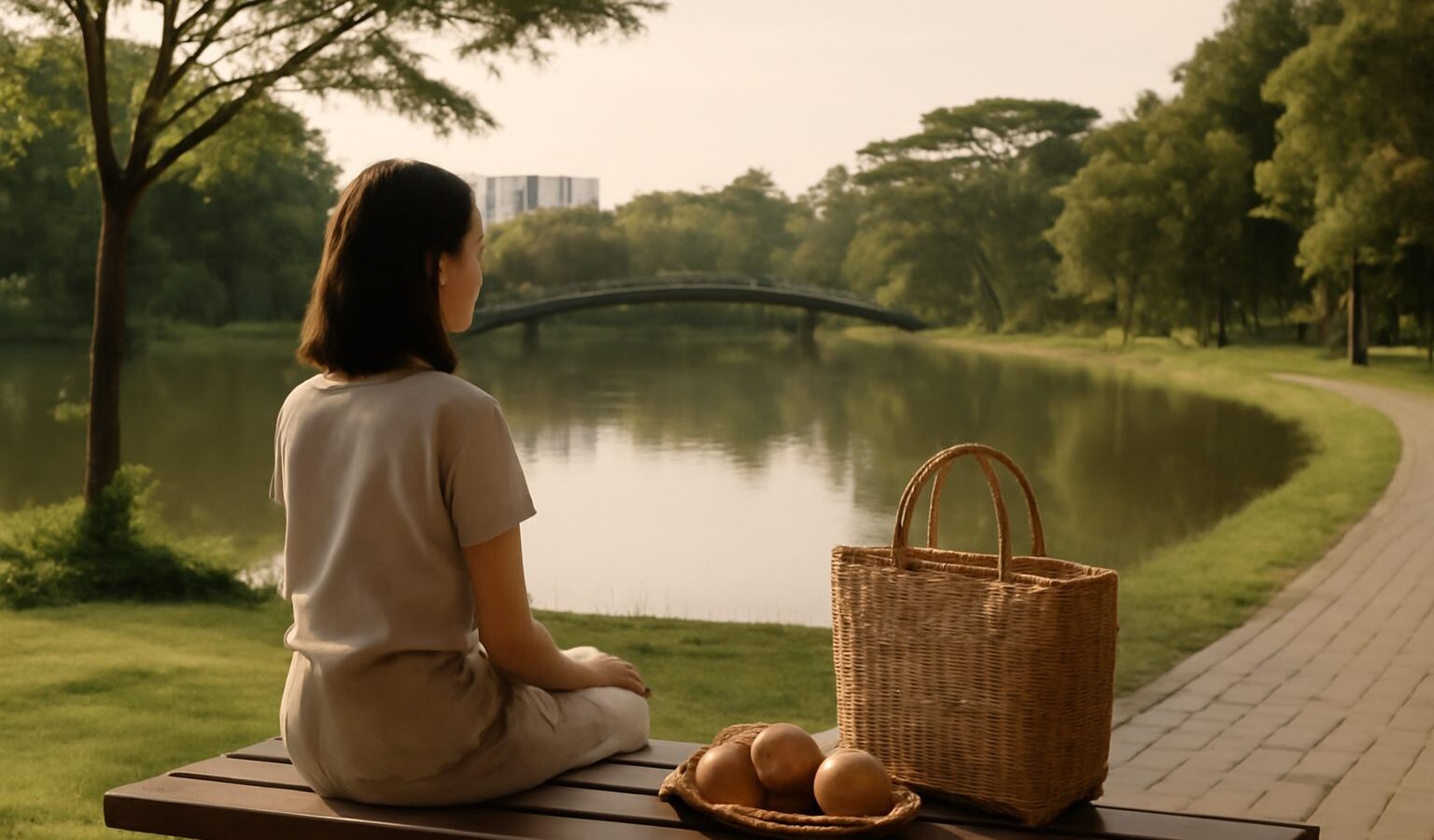
Green, gentle and quietly reflective, Bidadari Park in Singapore has become one of the city’s most talked about new nature spaces. This Bidadari Park Singapore guide introduces its calm waters, its growing reputation among birdwatchers, and the thoughtful way it honours the land’s history. At the centre of it all lies Alkaff Lake, a serene body of water that anchors the park and gives it a stillness you can feel the moment you arrive.
A park with a quiet history
Bidadari Park sits within the Bidadari estate in central Singapore, on land that was once a cemetery. That heritage is worth acknowledging with respect, because it shapes the reflective, unhurried mood many visitors sense here. The area has been sensitively transformed into a residential and green precinct, and the park now offers a peaceful place for the community while carrying a quiet memory of what came before. A gentle awareness of this history tends to deepen, rather than dampen, the sense of calm.
The park is designed to blend greenery with everyday neighbourhood life. Rolling lawns, mature and newly planted trees, and open sightlines make it feel both spacious and welcoming. It is the kind of place where residents walk in the cool of the morning, where families gather at weekends, and where nature lovers come specifically to watch the birds.
Alkaff Lake and the birdlife
The heart of the park is Alkaff Lake, which was built primarily as a stormwater feature to help manage rainfall in the area. Beyond its practical role, the lake has become a scenic focal point, its surface catching the sky and softening the whole landscape. Paths and gentle slopes around the water invite slow strolls, and benches offer spots to simply sit and watch the reflections shift.
For birdwatchers, Bidadari has earned a strong reputation. The mix of water, open ground and maturing trees draws a pleasing range of birds, and keen observers arrive early with binoculars and cameras hoping for a good morning. Depending on the season you might see kingfishers near the water, sunbirds among the flowers, and various migratory visitors passing through. Even casual visitors often find themselves pausing to follow a flash of colour across the lake.
The migratory seasons are particularly exciting for the local birding community, when species that breed far to the north stop over on their long journeys. You do not need to be an expert to enjoy this, as the sheer variety of movement and colour is a pleasure in itself. If you are new to the hobby, a pair of borrowed binoculars and a willingness to stand quietly are all you really need to begin.
To protect this, a few habits matter. Follow NParks guidelines, keep to the paths, and never feed or disturb the wildlife, since feeding harms the birds and changes their natural behaviour. Move quietly near the water’s edge, keep dogs under control where permitted, and give nesting or feeding birds a respectful distance.
Getting there and what to expect
Bidadari Park is well placed within the central region and is reachable by public transport, with MRT connectivity to the Bidadari and Potong Pasir area and bus services running nearby. From the closest stops it is a short walk into the park, and many residents simply enter directly from the surrounding estate. If you are driving, check the current parking situation nearby before you set off.
The park is broadly accessible, with gentle paths that suit families, older visitors and prams, though as with any lakeside space you should keep young children within reach near the water. Facilities and layout continue to settle as the surrounding estate matures, so it is sensible to check the NParks website for the latest details on access, opening information and any advisories before your visit.
Here is a quick comparison to help you plan.
| Visit style | Where to focus | Timing tip |
|---|---|---|
| Birdwatching | Trees and the edges of Alkaff Lake | Arrive early for the best activity |
| Gentle family walk | Lawns and lakeside paths | Cooler mornings or late afternoons |
| Quiet reflection | Benches facing the water | Weekday hours are calmest |
| Photography | The lake and open sightlines | Soft light near sunrise and sunset |
What to bring and when to go
Singapore’s climate rewards a little preparation. Visit in the cooler hours after dawn or before sunset, both for comfort and for the best birdlife. Bring plenty of water, wear a hat and use sun protection, since parts of the park are pleasantly open rather than heavily shaded. Comfortable walking shoes make the gentle slopes easy, and a light insect repellent is handy near the water.
If wildlife is your aim, binoculars and a bird identification app turn a stroll into a satisfying outing. Photographers should plan around the softer morning and evening light for the loveliest reflections on Alkaff Lake. Families will appreciate a small picnic on the lawns, packed out again with all litter, so the park stays clean and pleasant for the next visitors.
Best for whom, and nearby spots
Bidadari Park is best for people who value calm and gentle nature close to the city. Birdwatchers, unhurried walkers, families and anyone seeking a reflective green space will all feel at home. Its accessibility and central location make it easy to fold into a wider day out rather than treating it as a distant expedition.
When you are ready to explore further, the surrounding central neighbourhoods offer hawker fare, cafes and other pockets of greenery within easy reach, and the park connects naturally into everyday city life. Let this Bidadari Park Singapore guide set your expectations gently, confirm any current details with NParks, and give yourself time to sit by Alkaff Lake and simply watch the water and the birds go by.
Explore more
Best Parks in Singapore
Sungei Buloh Wetland
Park Connector Cycling Routes
Birdwatching for Beginners