
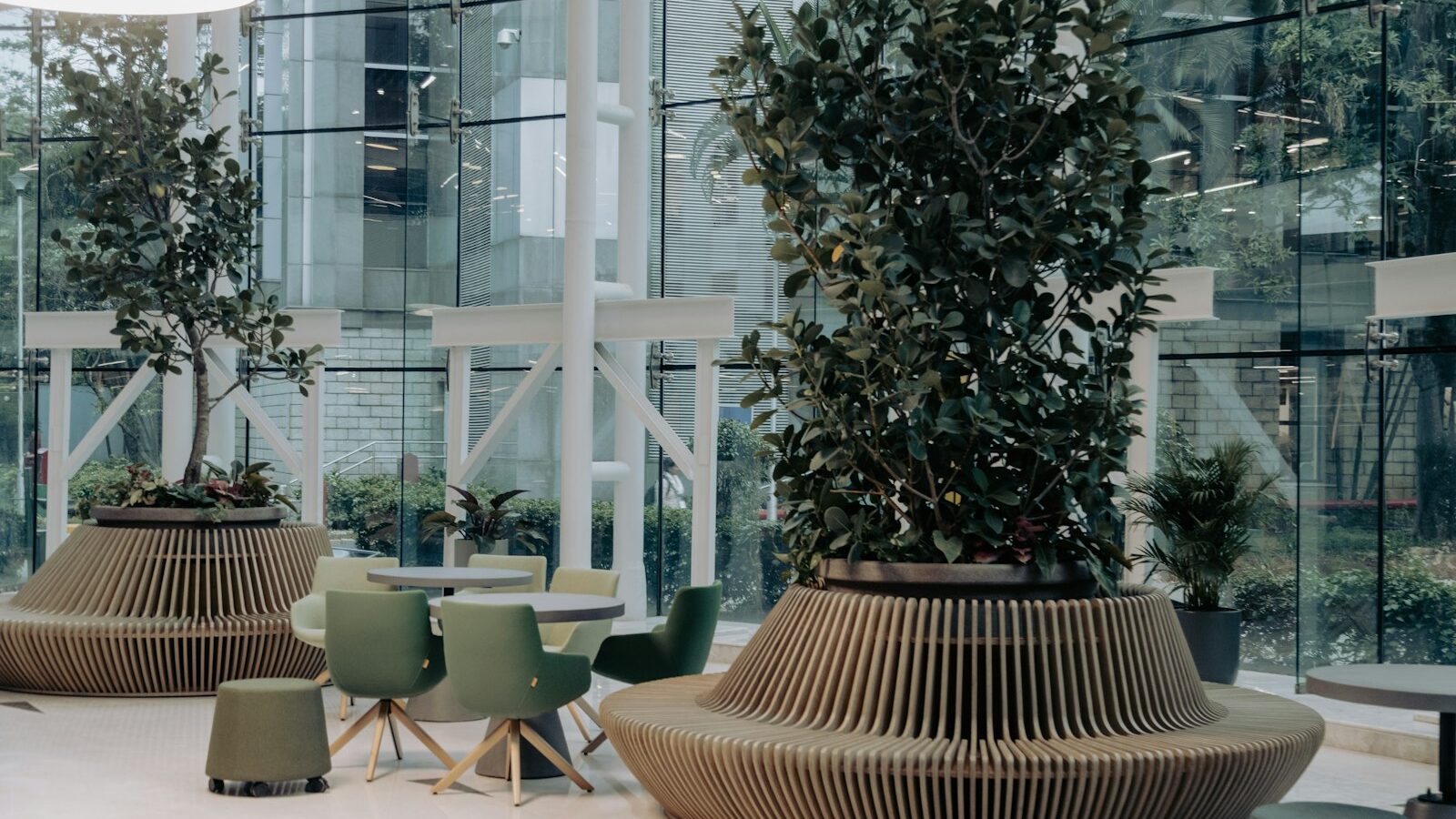
A biophilic design home is one that reconnects daily life with the natural world, using greenery, natural light, water, texture and views to make a space feel calmer and more alive. In a dense city like Singapore, where many of us live in flats surrounded by concrete, this approach is less about grand gestures and more about small, honest choices. Done well, it makes an ordinary HDB flat feel like a place you actually want to come home to.
What biophilic design really means
The idea is simple: humans feel better around living things and natural patterns. Biophilic design puts that instinct to work in your interior. It is not a single look or colour scheme, and it is not about filling every corner with plants until the flat feels like a jungle. Instead, it draws on several strands at once: direct contact with nature such as plants and daylight, natural materials and textures, and spatial qualities like open sightlines and a sense of shelter.
For a Singapore home, the climate does some of the work for you. We have strong daylight almost year round and warm temperatures that keep tropical plants thriving indoors. The challenge is heat, glare and limited floor space, so the smart move is to work with what our flats already offer rather than fighting it.
Start with light and views
Natural light is the backbone of any biophilic scheme. Before buying a single plant, look at how daylight moves through your flat during the day. Keep window areas as clear as you sensibly can, choose lighter, sheer layers for daytime, and use mirrors to bounce light deeper into the home. If your windows face a green common area, a tree line or even a distant patch of sky, treat that view as a feature and arrange seating so you can enjoy it.
Where light is harsh, especially in west-facing rooms, you do not have to block it out completely. Filtering it through sheer curtains or adjustable blinds keeps the connection to the outdoors while cutting glare.
Choose plants you can actually keep alive
Plants are the most obvious element, and the most commonly killed. The goal is a small collection that matches the light you have and the time you can give. A few well-placed, healthy plants look far better than a dozen struggling ones.
- Bright, indirect light: many popular leafy plants do well set back from a sunny window.
- Low light corners: hardy species such as snake plant or pothos tolerate dim spots.
- Grouping: cluster three or more pots at slightly different heights for a fuller, more natural look.
- Care: most indoor plants are killed by overwatering, not neglect, so check the soil before you reach for the watering can.
If you are new to this, start with forgiving species and build up slowly as you learn your flat’s conditions.
Bring in natural materials and texture
Biophilic design is as much about touch as sight. Natural and natural-feeling materials add warmth that flat, glossy surfaces cannot. Think timber or timber-look finishes, rattan and cane, woven baskets, linen and cotton textiles, stone or ceramic accents, and unglazed pottery. You do not need to renovate to get there. Swapping plastic storage for woven baskets, adding a jute rug, or choosing a wood-toned shelf already shifts the feel of a room.
Colour matters too. Earthy greens, warm neutrals, terracotta and soft browns echo the outdoors and let the greenery stand out rather than compete with it.
Comparison: where to spend your effort
| Element | Effort and cost | Impact in a small flat |
|---|---|---|
| Adding a few healthy plants | Low | High, instant softness and life |
| Maximising natural light | Low to medium | High, affects the whole mood |
| Natural material accessories | Low | Medium to high, adds warmth |
| Timber-look flooring or feature wall | Higher | High but a bigger commitment |
| Indoor water feature | Medium | Pleasant but optional |
The pattern is clear: the cheapest changes often give the biggest return, so start there.
Sound, air and a sense of calm
Nature is not only visual. The gentle movement of leaves near a window, the sound of a small tabletop fountain, or simply fresh, moving air all add to the effect. Good airflow keeps plants healthy and the space feeling fresh, which is why cross-ventilation and a well-placed fan sit comfortably alongside a biophilic approach. Keeping the air clean and moving is part of the same instinct to make indoor life feel more natural.
Room-by-room ideas for HDB flats
Living room: anchor the space with one larger statement plant and a couple of smaller ones, add a woven throw and a natural-fibre rug, and keep the window as open as your privacy allows.
Kitchen: a small herb pot on the sill is both decorative and useful, and it thrives on kitchen light and attention.
Bedroom: keep it simple with one or two low-maintenance plants, soft natural textiles and calming, earthy tones for better rest.
Bathroom: humidity-loving plants suit brighter bathrooms and soften hard tiled surfaces.
Keeping it realistic
Biophilic design should make your life easier, not add a second job. Choose plants and materials that fit your routine, your light and your budget. It is perfectly fine to start with three plants and a couple of natural textures, then grow the scheme over months as you see what works. The point is a home that feels more connected to the living world, not a showroom that stresses you out to maintain.
Bring in a little light, a little green and a little texture, and let the space breathe. A biophilic design home in Singapore is well within reach, one honest change at a time.
Explore more: Indoor Plants and Gardening · How to Bring More Natural Light Into Your Home · Low-Maintenance Indoor Plants